
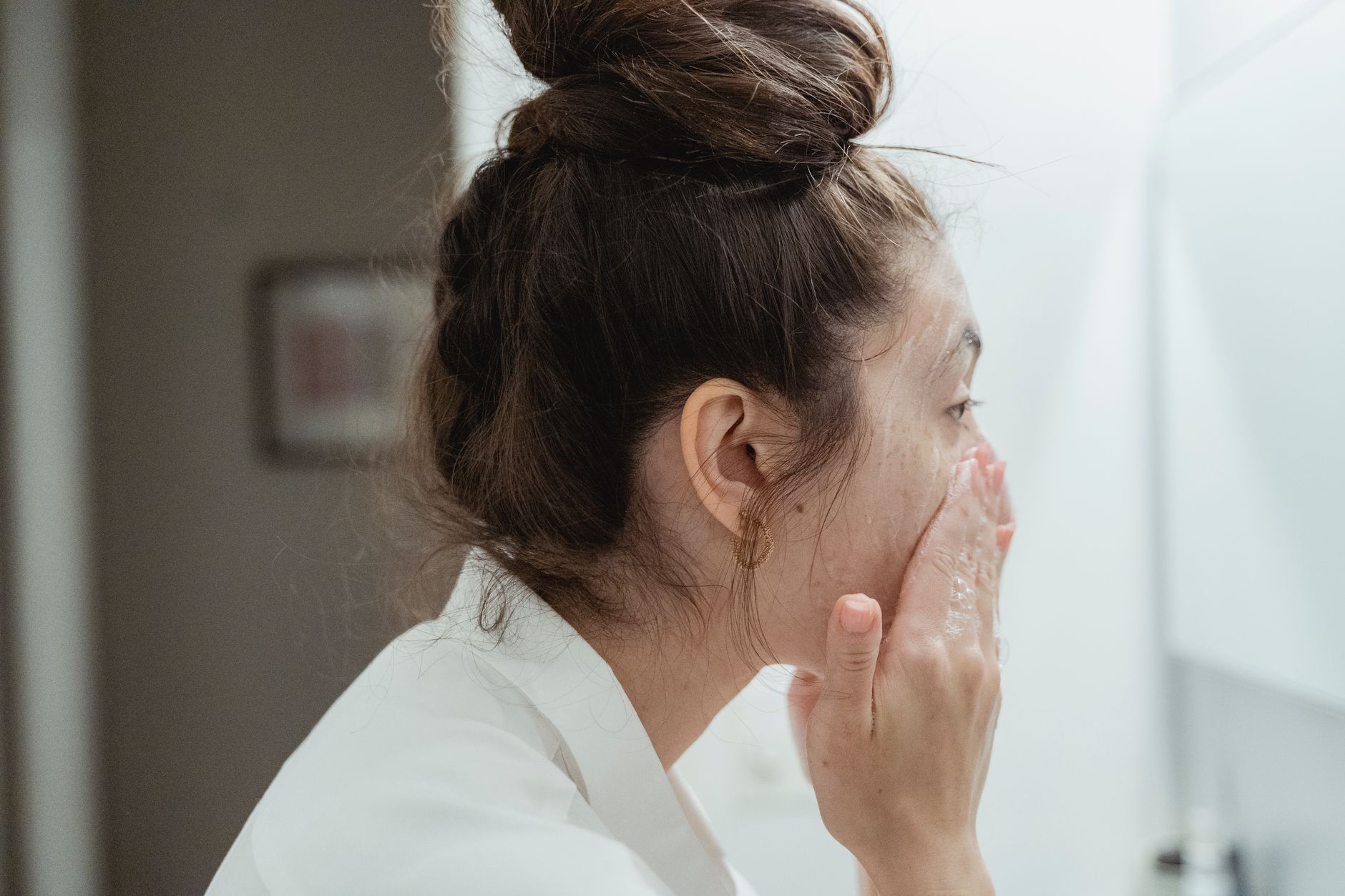
Check the active ingredient, strength, and FDA status, then compare the claim to dermatology guidance. Whiteheads are closed comedones, small clogged pores covered by skin with a white center. This check takes minutes and prevents paying for cosmetics sold as cures. It also shows when a product matches accepted acne care and when marketing stretches past proof.
Medical information disclaimer: This article is for general educational purposes only and does not provide medical advice, diagnosis, or treatment. Always consult a physician or other qualified health professional about symptoms, medications, tests, or treatment decisions.
Official resources:
- Read the official guidance from FTC — Use this primary source to verify the official guidance.
- Read the official guidance from FTC — Use this primary source to verify the official guidance.
Table of Contents
- Is it a cosmetic or a drug claim?
- What do dermatologists recommend for whiteheads?
- Which OTC ingredients are allowed at which strengths?
- How do you check a product in two minutes?
- Which red flags signal weak evidence?
Is it a cosmetic or a drug claim?
Words decide the category. The FDA treats claims to treat acne, remove whiteheads, increase collagen, or change body structure or function as drug claims. A cosmetic may only cleanse or beautify.
That distinction matters for your safety. A cream that promises to remove whiteheads needs drug status and evidence. A cleanser that promises clean-feeling skin does not.
What do dermatologists recommend for whiteheads?
Dermatology references classify whiteheads as closed comedones. First-line care for comedonal acne is a topical retinoid alone or with benzoyl peroxide. Retinoids help clear pores and lower inflammation.
The American Academy of Dermatology 2024 update strongly recommends topical benzoyl peroxide, retinoids, topical antibiotics and fixed-dose combinations, oral doxycycline, and oral isotretinoin for severe, scarring, or treatment-resistant acne, according to the Academy announcement. That advice does not promise overnight clearing. It points to steady pore-clearing treatment, often with a combination product.
Which OTC ingredients are allowed at which strengths?
The FDA permits OTC acne drugs only with established monograph actives at set doses, including benzoyl peroxide 2.5-10%, salicylic acid 0.5-2%, and sulfur 3-10%, while other uses need an approved application, according to the FDA final order. Check that the front label and Drug Facts list the same active and strength.
Newer OTC options still pass through FDA review. Galderma announced FDA approval of Differin Epiduo Gel with adapalene 0.1% plus benzoyl peroxide 2.5% for OTC use in ages 12 and older, after more than 15 years as prescription-only, according to the Galderma approval notice. Age limits, combinations, and strengths are part of approval.
How do you check a product in two minutes?
Use the label as evidence, not the ad. DailyMed shows in-use labeling while Drugs@FDA shows FDA-approved labeling. A mismatch in name, active, or strength means stop and ask a pharmacist.
- Read Drug Facts for active ingredient, strength, use, directions, and warnings.
- Match it to the current DailyMed label for that exact product.
- Confirm approval history in Drugs@FDA for prescription or switched products.
- Keep the package if irritation, allergy, or lack of effect needs a clinician visit.
Which red flags signal weak evidence?
The FTC requires health advertisers to hold competent and reliable scientific evidence before the ad runs, generally well-designed randomized controlled human trials by qualified experts. Animal, lab-dish, or tradition evidence alone is not enough, according to the FTC compliance guidance.
Watch for atypical before-after photos, paid or employee testimonials without disclosure, overnight cures, and percentage success claims without cited trials. The FTC pursued DermaTend over false timing and 97% claims and TruHeight over a 32-person company study showing no effect. Ask for the cited trial before you trust the percentage.