
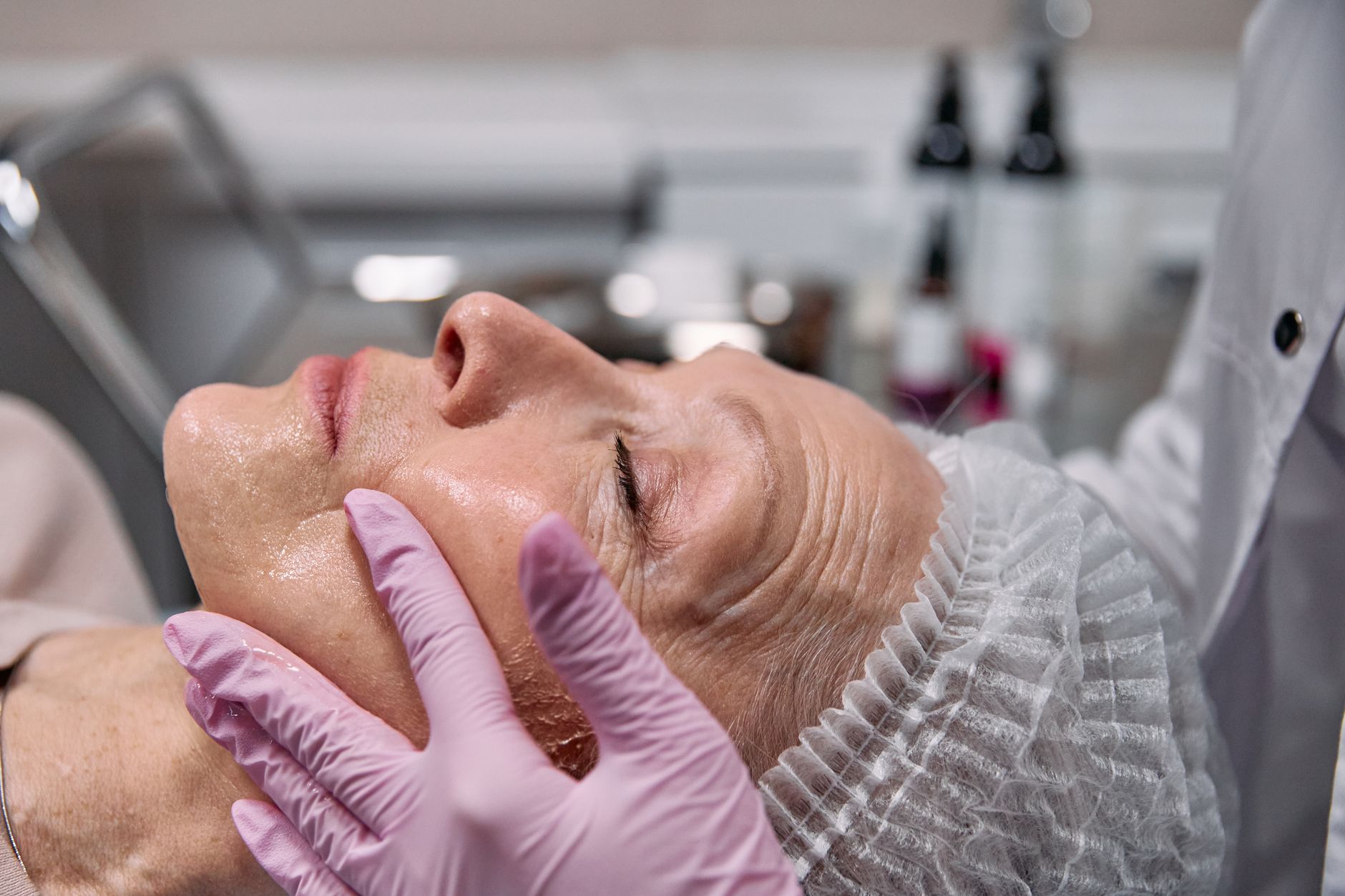
A dermatologist visit for hormonal acne usually takes 15 to 30 minutes. New visits run longer, and follow-up visits run shorter. Hormonal acne means breakouts that flare with hormone shifts around periods, pregnancy, or menopause. The visit focuses on skin findings and history to pick treatment.
Medical information disclaimer: This article is for general educational purposes only and does not provide medical advice, diagnosis, or treatment. Always consult a physician or other qualified health professional about symptoms, medications, tests, or treatment decisions.
Table of Contents
- What does the first acne exam include?
- What extra history matters for hormonal acne?
- How much office time should you plan for?
- How do you make the short visit work?
What does the first acne exam include?
NYU Langone Health says a first acne exam takes about 15 minutes and feels painless, as described in its first acne examination. The clinician records blemish type and how much skin is involved.
That map sets the starting treatment. Most uncomplicated exams stay inside that short window. Pennsylvania Dermatology Specialists notes severity, added skin problems, biopsies, or injections add time.
What extra history matters for hormonal acne?
NYU Langone Health notes dermatologists ask women about period timing, pregnancy, menopause, prior treatments, medicines, and supplements. When history suggests excess androgens, male-type hormones, the clinician may order blood tests.
Tell the clinician whether flares cluster around periods. List prior prescriptions, over-the-counter products, and what helped or irritated skin.
How much office time should you plan for?
Optima Dermatology tells new patients to expect 10 to 20 minutes with the clinician. Check-in, rooming, and checkout bring the total to about one hour. Pennsylvania Dermatology Specialists reports routine medical visits last 15 to 30 minutes, as shown in its typical dermatology visit times.
First visits run longer for forms and family history, while return visits run shorter. A 2017 UK hospital study in Future Healthcare Journal found median visits of 16.5 minutes. It advised 25 minutes for new patients and 15 for follow-ups.
How do you make the short visit work?
Waiting and paperwork also stretch office time, so preparation matters. Pennsylvania Dermatology Specialists points to waiting, paperwork, and added procedures as common sources of delay.
Bring a short packet so the clinician can move fast: The American Academy of Dermatology says to give acne treatment several weeks to a few months to work, as explained in its acne treatment guidance. The Academy lists combined birth-control pills and spironolactone for appropriate patients.
- current medicines and supplements
- skin products in use
- period-related flare pattern
- prior acne treatments and results