
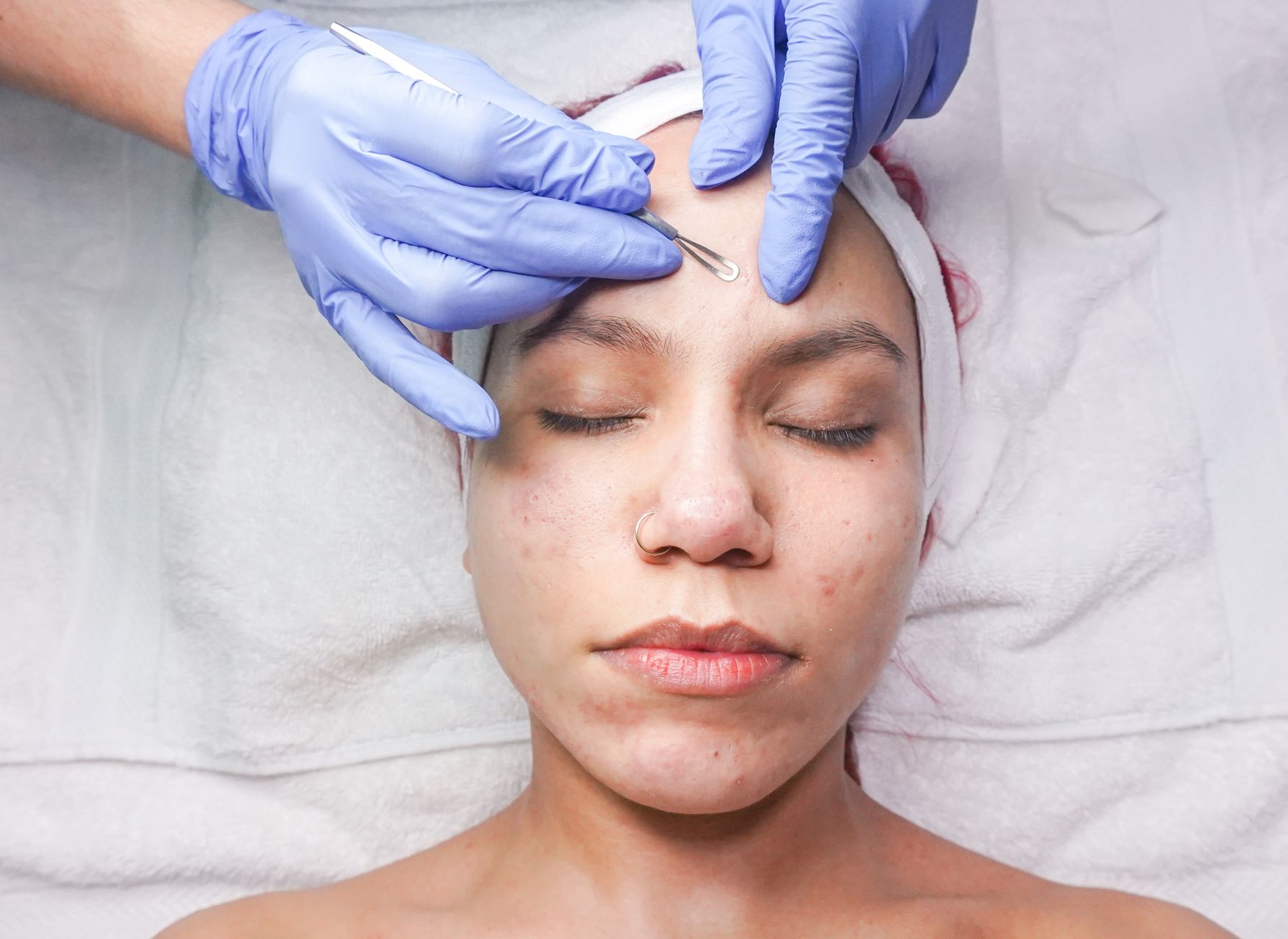
Cystic acne is a severe form of acne that requires professional dermatological treatment and should prompt you to book an appointment as soon as possible. Unlike surface-level pimples or blackheads that may resolve with over-the-counter products, cystic acne involves deep, painful nodules beneath the skin that can leave permanent scarring if left untreated. If you’re experiencing painful, inflamed bumps that don’t respond to topical treatments after two to three weeks, or if acne is causing you emotional distress or affecting your daily life, these are clear signs that you need to see a dermatologist rather than continuing home treatments.
Cystic acne typically develops when bacteria, excess oil, and dead skin cells become trapped deep within hair follicles, creating large, painful lesions that can persist for weeks. A person dealing with recurrent cystic breakouts on their jawline or chin, especially if they’ve tried benzoyl peroxide and salicylic acid without improvement, is experiencing a condition that demands professional intervention. The risk of permanent scarring and the potential for infection make early dermatological consultation essential.
Medical information disclaimer: This article is for general educational purposes only and does not provide medical advice, diagnosis, or treatment. Always consult a physician or other qualified health professional about symptoms, medications, tests, or treatment decisions.
Table of Contents
- What Are the Physical Warning Signs of Cystic Acne?
- Hormonal Fluctuations and Persistent Acne Patterns
- When Acne Causes Emotional or Psychological Distress
- Signs That Over-the-Counter Treatments Aren’t Working
- Scarring, Infection Risk, and Permanent Damage
- Acne on the Face, Jawline, and Neck
- When to Prioritize an Urgent or Emergency Appointment
What Are the Physical Warning Signs of Cystic Acne?
Cystic acne manifests differently than typical acne, and recognizing these physical signs is crucial for knowing when professional help is necessary. Cysts appear as large, painful bumps—typically larger than a quarter inch in diameter—that feel firm or hard beneath the skin rather than forming a whitehead on the surface. They are often deeply inflamed, appearing red or purple, and may feel tender to the touch even without direct contact.
Unlike whiteheads or blackheads, cystic lesions don’t come to a head; instead, the inflammation sits trapped under layers of skin, causing persistent pain and swelling. The severity of cystic acne varies, but one hallmark is that multiple cysts often appear in clusters or across large areas of the face, neck, chest, or back. If you’re noticing that your acne has shifted from scattered spots to deep, tender bumps that last for more than three to four weeks, this signals a change that warrants dermatological evaluation. A person experiencing their first true cystic breakout might mistake the intense pain and size for an infection requiring antibiotics, when what they actually need is prescription-strength acne treatment that addresses the underlying cause.
Hormonal Fluctuations and Persistent Acne Patterns
Cystic acne frequently has a hormonal component, particularly in people who menstruate, where breakouts may occur predictably before their period or persist throughout their cycle. Hormonal fluctuations increase sebum production and can trigger the type of deep inflammation that leads to cysts rather than surface-level breakouts. If you notice that your acne follows a hormonal pattern—clustering around ovulation, before menstruation, or during specific times of your cycle—this is an important sign to mention to your dermatologist, as it may indicate that hormonal treatment could be effective.
However, hormonal acne doesn’t always announce itself with a clear pattern. Some people experience persistent cystic acne year-round without an obvious hormonal trigger, particularly if they have underlying conditions like polycystic ovary syndrome (PCOS) or if they’ve recently started or changed birth control. A limitation of self-diagnosis is that hormonal acne can look identical to acne caused by bacterial overgrowth or other factors, which means determining the root cause requires professional assessment. A dermatologist can help distinguish between acne driven primarily by hormones versus other triggers, which directly impacts whether hormonal medications like birth control or spironolactone might be part of your treatment plan.
When Acne Causes Emotional or Psychological Distress
Cystic acne is not just a physical problem—the emotional impact is a legitimate reason to seek professional help. Visible, painful acne on the face or neck can trigger anxiety, social withdrawal, or depression, particularly if it’s severe or persistent. If acne is affecting your confidence, causing you to avoid social situations, or making you reluctant to go to work or school, you should book a dermatology appointment immediately.
Mental health consequences of severe acne are real and documented, and a dermatologist can help address both the physical lesions and the urgency behind your distress. Some people delay seeking treatment because they believe acne is a cosmetic concern that they should simply accept or manage on their own, leading them to suffer emotionally for months or years. This mindset underestimates both the severity of cystic acne as a medical condition and the validity of your emotional response to it. A dermatologist understands that acne affects quality of life and can prioritize aggressive treatment options to clear skin as quickly as possible, which often has immediate positive psychological effects.
Signs That Over-the-Counter Treatments Aren’t Working
If you’ve been using over-the-counter acne products—including benzoyl peroxide, salicylic acid, and retinol—for six to eight weeks without significant improvement, this is a clear signal that you need prescription-strength treatment. The active ingredients in drugstore products are effective for mild to moderate acne, but cystic acne exists in a different category of severity and typically requires prescription medications like oral antibiotics, isotretinoin (Accutane), or topical retinoids that are only available through a dermatologist.
A comparison: mild acne might consist of a few whiteheads or blackheads that improve noticeably within two to three weeks of consistent over-the-counter treatment, while cystic acne often shows no improvement or worsens despite identical efforts. Waiting longer than eight weeks in hopes that the right drugstore product will eventually work means prolonging pain, risking scarring, and delaying access to treatments that actually work. If you’re experiencing this scenario, scheduling a dermatology appointment should take priority over trying another acne product.
Scarring, Infection Risk, and Permanent Damage
One of the most important warning signs that demands immediate dermatological attention is the presence of scarring or the risk of scarring. Cystic acne causes scarring more readily than other acne types because the inflammation goes so deep into the skin. If you’re noticing that old cystic breakouts have left permanent pits or indentations in your skin, or if you’re worried about scarring from your current breakout, you need professional treatment urgently. Early intervention with the right medications can prevent new scarring from occurring.
Another serious warning sign is infection. While most acne doesn’t become infected, cystic lesions can occasionally develop into true infections if bacteria multiply within the cyst or if the skin is picked or squeezed. Signs of infection include increased warmth, pus that looks yellow or greenish, spreading redness, or systemic symptoms like fever. If you suspect an infection, contact a dermatologist or doctor immediately, as untreated skin infections can have serious consequences. Additionally, attempting to pop or drain cystic acne yourself significantly increases both scarring risk and infection risk, which is why professional extraction or drainage, when necessary, should only be done by a dermatologist using sterile technique.
Acne on the Face, Jawline, and Neck
Cystic acne is particularly problematic when it appears on the face, jawline, or neck because these areas are highly visible and the skin is sensitive. Jawline acne is frequently hormonal in nature and often appears as a cluster of painful cysts rather than scattered breakouts.
If cystic acne is concentrated along your jawline or chin, this geographic pattern itself is a reason to see a dermatologist, as it suggests a specific underlying cause that targeted treatment can address. Neck and chest acne is also common with cystic breakouts and tends to be more resistant to topical treatments because the skin barrier is different in these areas. A person with cystic acne spreading from their face down their neck is experiencing a worsening situation that requires prompt professional evaluation and likely systemic treatment rather than topical products alone.
When to Prioritize an Urgent or Emergency Appointment
Most cystic acne situations warrant a regular dermatology appointment scheduled within one to two weeks, but some signs indicate you should request an urgent or same-day evaluation. If you have multiple large, severely painful cysts that are affecting your ability to eat, sleep, or function normally, an urgent appointment is appropriate. Similarly, if you suspect an infection, have signs of an allergic reaction to acne products (swelling, difficulty breathing, severe rash), or have acne accompanied by other systemic symptoms like fever or swollen lymph nodes, these warrant faster evaluation.
For people without an established dermatologist, knowing how to access urgent care is important. Many dermatology practices reserve slots for acute situations, and some offer same-day or next-day appointments for severe breakouts. If you cannot reach your regular dermatologist, urgent care centers or dermatology clinics can provide evaluation and may prescribe oral antibiotics or other treatments to manage your acne while you wait for a full dermatological assessment.
- —