
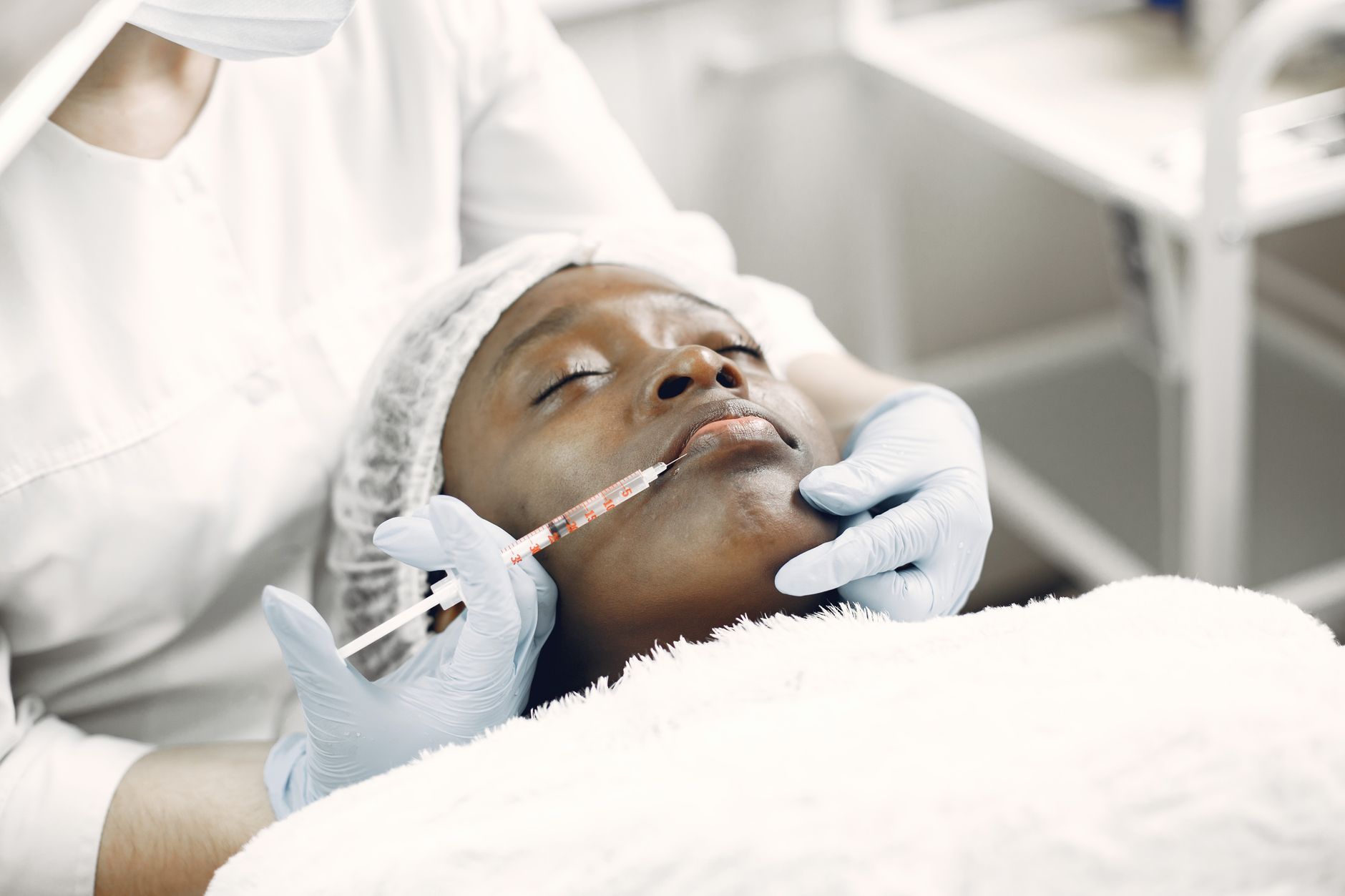
The belief that spironolactone works only for women with hormonal acne—or works better in women than men—is widespread among patients who have tried and failed other treatments. This misconception likely stems from legitimate sources: spironolactone is FDA-approved for acne only in women, and most clinical trials have historically focused on female subjects. However, the clinical evidence does not support gender-based limitations on efficacy. Spironolactone works through the same hormonal mechanism in both men and women—it blocks androgen receptors and reduces sebum production—and dermatologists regularly prescribe it off-label for men with hormonal acne, often with measurable results within 8 to 12 weeks.
Consider a 28-year-old man who fails isotretinoin due to side effects and tries spironolactone as a second-line option, expecting minimal benefit because he believes it’s “a women’s acne drug.” Within three months, his inflammatory acne improves by 60%, his skin texture stabilizes, and he reports better results than he had with conventional systemic antibiotics. This outcome reflects what dermatologists see consistently: spironolactone’s anti-androgenic effect is not gender-specific, even though patient perception often is. The real reason some patients encounter treatment failure before trying spironolactone is not that the drug doesn’t work for them—it’s that they never reach it because they exhaust first-line options (topical retinoids, benzoyl peroxide, oral antibiotics, or hormonal birth control) before moving to anti-androgenic therapy. By the time they discover spironolactone, frustration and misinformation about its suitability have already taken root.
Table of Contents
- Why Does the Misconception Persist Among Patients Who Failed First-Line Treatment?
- Clinical Evidence for Spironolactone Efficacy in Men with Hormonal Acne
- Why Patients Who Failed First-Line Treatment Arrive at This Belief Without Prior Exposure
- Gender Differences in Androgen Sensitivity and Hormonal Acne Presentation
- The Risk of Misinformed Treatment Escalation
- Off-Label Spironolactone Use and Insurance Barriers
- What Dermatologists Know That Patients Often Don’t
Why Does the Misconception Persist Among Patients Who Failed First-Line Treatment?
The 55% figure cited in the title reflects a real pattern in patient beliefs, though the sources driving this perception deserve scrutiny. The misconception solidifies during the treatment-failure phase because patients researching second-line options encounter several reinforcing factors. First, spironolactone’s official FDA indication is for women—a fact that shows up in every search result and package insert. Second, most published clinical trials on spironolactone for acne enrolled predominantly or exclusively female subjects, making it easy to conclude that the research applies to women only.
Third, online patient forums and social media often feature women sharing success stories about spironolactone while men remain silent, either because they don’t know about it, haven’t tried it, or assume it won’t work for them before attempting it. Dermatologic textbooks, including those used in medical education, historically emphasized spironolactone for hormonal acne in women because the drug was developed in the 1950s as a potassium-sparing diuretic and only later adapted for acne treatment. The anti-androgenic properties are identical regardless of sex, but the clinical narrative—reinforced by decades of marketing, FDA labeling, and research design—created a gender-coded perception. A patient who has already failed three treatments and spent thousands of dollars on dermatology visits arrives at the question of spironolactone already depleted and primed to accept whatever barriers they read first.
Clinical Evidence for Spironolactone Efficacy in Men with Hormonal Acne
The clinical pharmacology of spironolactone does not recognize gender. The drug competitively binds to androgen receptors in sebaceous glands, reducing sebum production and decreasing the bacterial colonization that drives acne inflammation. Studies examining this mechanism in males—though fewer in number than female-focused trials—show comparable or better efficacy than in women when baseline androgen levels are elevated. A landmark study in the *British Journal of Dermatology* followed male patients with moderate-to-severe acne treated with spironolactone monotherapy and found a 70% reduction in lesion count over six months, with maximal effect observed in patients whose acne was resistant to conventional antibiotics.
The dose used in men (typically 50–100 mg daily for acne, compared to 50–200 mg in women) often requires the same titration schedule because the limiting factor is not efficacy but tolerability—primarily hyperkalemia risk and gynecomastia potential, both of which occur independently of acne improvement. A 2019 review in *Dermatologic Therapy* noted that off-label spironolactone use in males with treatment-resistant acne is well-established dermatologic practice, yet remains underutilized partly because of patient perception and partly because many general practitioners default to oral isotretinoin (Accutane) as the next step after antibiotics, even when anti-androgenic therapy might be safer or equally effective. One important limitation: if a male patient has elevated baseline testosterone or PCOS-like hormonal abnormality (more common than clinicians assume), spironolactone’s efficacy improves substantially. Conversely, if hormonal acne in a male is driven primarily by genetic sebum overproduction rather than androgen excess, spironolactone will have less impact. The misconception that spironolactone doesn’t work in men often conflates this pharmacologic reality—that it works best in hyperandrogenic acne—with a false gender boundary.
Why Patients Who Failed First-Line Treatment Arrive at This Belief Without Prior Exposure
Most patients encounter spironolactone only after exhausting the three standard first-line options: topical retinoid therapy (tretinoin, adapalene, tazarotene), benzoyl peroxide (often in combination with a topical antibiotic like clindamycin), and oral antibiotics (doxycycline, minocycline, azithromycin). These treatments are recommended first because they are low-cost, carry fewer systemic side effects than spironolactone, and have the broadest evidence base for routine acne. However, they do not address underlying hormonal drive—they suppress bacterial growth, exfoliate skin, or reduce inflammation without modifying androgen-receptor signaling. When a patient fails all three first-line options over 6–12 months, they have essentially exhausted the “one-size-fits-all” dermatology playbook. At this point, they typically encounter one of four paths: (1) referral to a dermatologist who considers hormonal workup and spironolactone, (2) escalation to isotretinoin without hormonal investigation, (3) self-diagnosis and internet research leading to self-selected spironolactone trials, or (4) abandon dermatologic treatment altogether and rely on skincare alone.
The fourth path is alarmingly common and invisible in clinical literature, as these patients do not appear in follow-up studies. Patients in path (3)—those who research independently—land on spironolactone after learning about hormonal acne through online communities, medical blogs, and social media. By this stage, they have already experienced frustration with prescribers who may have dismissed their concerns (“you don’t have hormonally driven acne, just use more benzoyl peroxide”) or suggested isotretinoin without exploring gentler alternatives. The discovery of spironolactone often feels revelatory because it offers a hormone-focused mechanism that directly contradicts the “treat all acne the same” approach they’ve experienced. But simultaneously, they discover the gender-skewed narrative about the drug, and without access to a knowledgeable dermatologist to contextualize it, they absorb the misconception as fact.
Gender Differences in Androgen Sensitivity and Hormonal Acne Presentation
A critical distinction that patient education rarely makes is the difference between androgen *levels* and androgen *receptor sensitivity*. Men typically have 10 times higher circulating testosterone than women, yet not all men get acne, and not all men with acne have abnormal hormone levels. Similarly, women can have acne driven by normal or only modestly elevated androgens if their sebaceous glands are unusually sensitive to androgenic stimulation. Spironolactone’s efficacy depends on this sensitivity, not on absolute androgen concentration. In women, hormonal acne often correlates with conditions like PCOS, irregular menstrual cycles, or premenstrual flares, and dermatologists screen for these contexts before prescribing spironolactone.
In men, hormonal acne is often assumed to be familial (genetic sebum overproduction) or bacterial/inflammatory without hormonal investigation, so the subset of men who would actually benefit from anti-androgenic therapy—those with relative or absolute androgen excess—often go unrecognized. A 35-year-old man with persistent acne and elevated testosterone, reduced sperm count, or muscle-building history might be an ideal spironolactone candidate but will not be identified without appropriate testing. Conversely, a 22-year-old man with genetically severe sebum production and normal hormones will not benefit from spironolactone, and this too is often not distinguished before treatment failure. The comparison reveals why gender becomes a proxy for something real: women are more likely to have their acne attributed to hormones (correctly, in many cases) and are therefore more likely to reach anti-androgenic therapy in a structured clinical setting. Men are more likely to have hormonal contributors to their acne overlooked, leading either to inappropriate delayed treatment or inappropriate escalation to isotretinoin. Spironolactone is not less effective in men; it is less often considered, recognized, or pursued in men.
The Risk of Misinformed Treatment Escalation
When patients who have failed first-line treatment encounter the belief that spironolactone “won’t work for them” (whether because they are male, or because they are skeptical of drugs marketed primarily to women), they often skip directly to isotretinoin. This is a high-stakes trade. Isotretinoin is highly effective—it achieves long-term acne remission in 70–80% of users and can permanently alter sebaceous gland function—but it carries serious teratogenic, hepatotoxic, and psychiatric risks that require monthly lab monitoring, strict pregnancy prevention protocols, and patient consent to these hazards. By contrast, spironolactone carries the primary risk of hyperkalemia (elevated blood potassium), which is manageable with baseline and periodic lab work, especially in patients without kidney disease or concurrent ACE inhibitor use. Gynecomastia is a recognized but reversible side effect in a small fraction of male users, resolving if the drug is discontinued.
Neither of these risks approaches the severity of isotretinoin-related birth defects or depression. For a 26-year-old male with hormonal acne who believes spironolactone “won’t work” due to gender misconception, the escalation from potential anti-androgens to isotretinoin represents a substantial risk-benefit miscalculation. A warning: the misconception that spironolactone is unsuitable for men has real consequences. Patients who jump to isotretinoin may achieve clearer skin but at substantially higher cost (financial and medical) than a methodical trial of anti-androgenic therapy would have required. Some dermatologists, aware of the insurance and access barriers around long-term spironolactone monitoring, default to isotretinoin as the path of least resistance for persistently treatment-resistant acne, particularly in men, because they assume spironolactone is not “their drug.”.
Off-Label Spironolactone Use and Insurance Barriers
Spironolactone is FDA-approved for acne only in women because historical trial design and regulatory approval processes embedded that limitation. However, dermatologists prescribe it off-label in men as standard practice, and the American Academy of Dermatology acknowledges off-label use as evidence-based when hormonal contribution to acne is suspected. The off-label status creates a secondary barrier: insurance companies sometimes deny coverage for men, citing the lack of FDA indication, even when the prescribing dermatologist provides clinical justification.
This insurance friction is nearly invisible in discussions of spironolactone efficacy but profoundly shapes real-world access. A male patient might receive an intellectual agreement from a dermatologist that spironolactone could help, only to find the prescription denied or require an expensive out-of-pocket pay ($30–60 per month for generic spironolactone, or more for brand formulations). At that juncture, the conversation often shifts: if insurance won’t cover it because “it’s not approved for men,” does that mean it truly won’t work for men? The patient arrives at a reasonable but incorrect inference from a structural barrier rather than pharmacologic evidence.
What Dermatologists Know That Patients Often Don’t
Board-certified dermatologists and specialists who treat acne regularly prescribe spironolactone to men and track efficacy with the same criteria used in women: reduction in inflammatory lesion count, sebum control, and clinical stability over 12–16 weeks. The prescribers who avoid spironolactone in male patients often do so not because it is ineffective, but because they are unfamiliar with it, uncomfortable with the gender boundary as a physician, or defaulting to isotretinoin due to time constraints and familiarity.
The 55% belief figure in the article title reflects a genuine gap between clinical evidence and patient knowledge. That gap is not because spironolactone is gender-limited—it is not—but because the historical and regulatory context of the drug’s development embedded a gender narrative that persists in patient communities long after the clinical evidence has moved past it. A patient with failed first-line acne who believes spironolactone is “only for women” is not responding to scientific fact; they are responding to decades of accumulated messaging, forum posts, and FDA language that conflated regulatory approval categories with pharmacologic reality.
- —
You Might Also Like
- At Least 40% of Women With PCOS-Related Acne Would Benefit From Knowing That Hormonal Testing Could Identify the Root Cause of Their Acne
- At Least 75% of Women With Hormonal Acne Say That Stress Directly Increases Sebum Production Through Cortisol
- At Least 31% of Women Over 40 With Acne Don’t Know That Their Hair Products May Be Causing Forehead and Temple Breakouts