
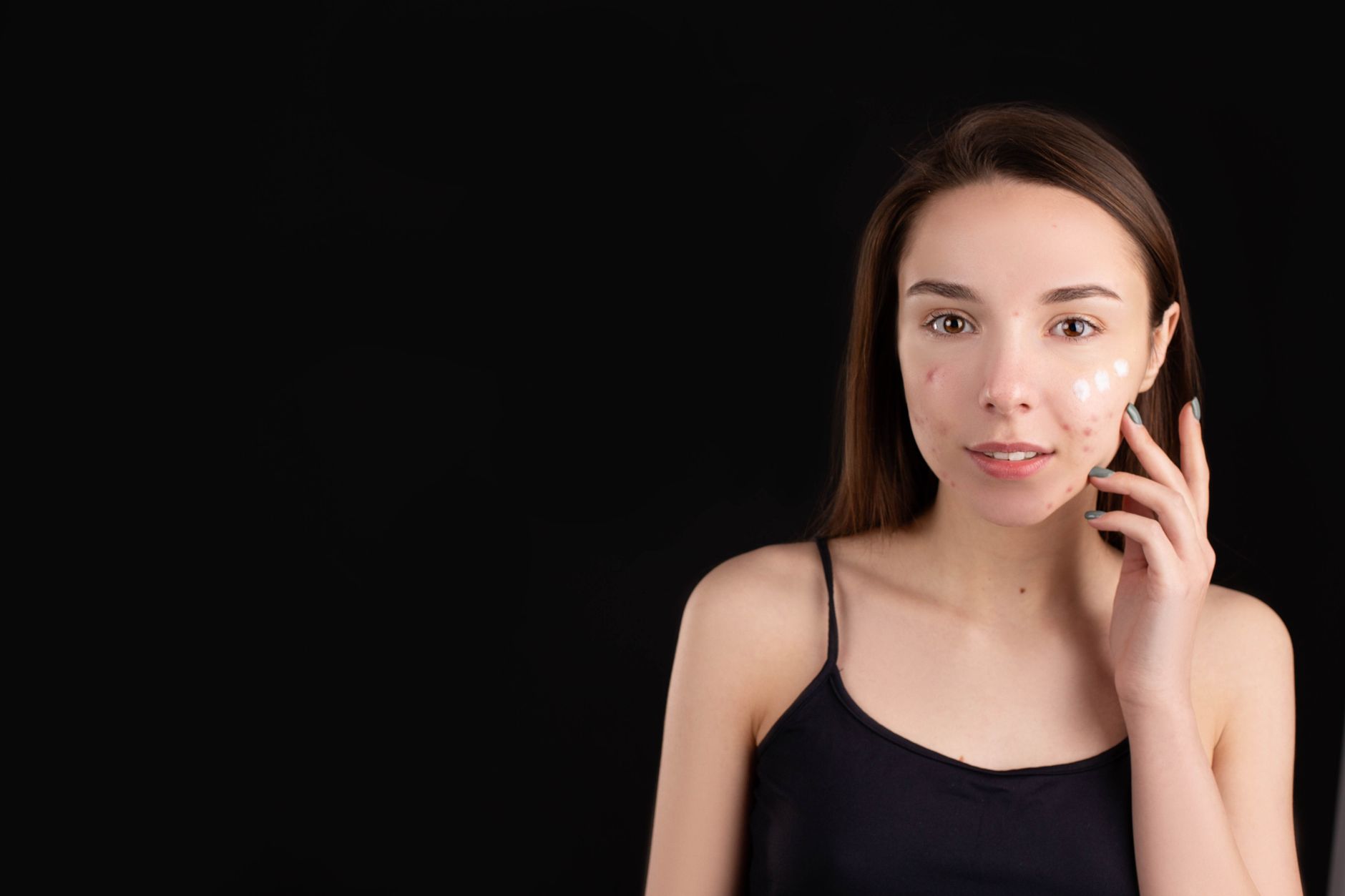
When summer heat strikes, body acne intensifies. Sweat and friction from athletic wear and tight clothing create a perfect storm for breakouts across the back, chest, and shoulders—areas that regular body soap simply can’t handle. The good news is that targeted acne body washes work differently than regular cleansers. They contain active ingredients like salicylic acid and benzoyl peroxide that penetrate pores and fight the bacteria behind breakouts, while thoughtfully formulated versions include hydrating ingredients to offset the drying effects of treatment.
CeraVe SA Body Wash for Rough & Bumpy Skin stands out as the best overall acne body wash according to U.S. News and The Apex Beauty’s 2026 review. Other strong contenders include Neutrogena Body Clear Pink Grapefruit Acne Body Wash for value-conscious shoppers and PanOxyl 10% Acne Foaming Wash for those wanting maximum benzoyl peroxide strength. These products aren’t one-size-fits-all, though—the right choice depends on your skin sensitivity, climate, and breakout severity.
Table of Contents
- Why Acne Body Washes Perform Better Than Regular Soap in Hot Weather
- Active Ingredients and How They Work
- The Hydration Factor in Hot Weather Formulas
- Matching Products to Skin Type and Breakout Severity
- Application Technique and Frequency Considerations
- Addressing Common Problem Areas
- When to Seek Professional Guidance Beyond Body Wash
Why Acne Body Washes Perform Better Than Regular Soap in Hot Weather
Standard body soap removes surface dirt but leaves pore-clogging bacteria and dead skin cells behind, especially when sweat traps them in place. acne-targeted body washes contain active pharmaceuticals that actually kill the *Cutibacterium acnes* bacteria responsible for breakouts and exfoliate trapped debris. In hot weather, this difference matters enormously because sweat production increases bacterial growth and friction from clothing compounds the problem.
The hot, humid environment creates specific challenges that demand specific solutions. Moisture and heat accelerate bacterial colonization, while sweat’s salt content irritates already-inflamed skin. A person wearing workout gear during summer will see body acne worsen without treatment—it’s not vanity or coincidence, it’s biology. Acne body washes interrupt this cycle by chemically targeting the root cause rather than just washing away surface sweat.
Active Ingredients and How They Work
Salicylic acid, a beta hydroxy acid, penetrates pores to break apart clogs from within—it’s particularly effective in hot weather when combined with glycerin, which prevents excessive drying from treatment. Benzoyl peroxide takes a different approach by directly killing acne-causing bacteria and reducing inflammation simultaneously, though it can bleach fabrics and requires careful application. Sulfur represents a third option, preferred by some dermatologists for sensitive skin, though it has a distinctive odor that limits its appeal.
The concentration of these ingredients significantly affects both efficacy and irritation. PanOxyl 10% Acne Foaming Wash delivers the maximum over-the-counter benzoyl peroxide strength, making it ideal for severe breakouts or skin that’s already acclimated to treatment. Starting with lower percentages—typically 2.5% to 5% benzoyl peroxide or 0.5% to 2% salicylic acid—makes sense for sensitive, dry, or eczema-prone skin to build tolerance before escalating strength.
The Hydration Factor in Hot Weather Formulas
Acne-fighting ingredients inherently dry skin. Salicylic acid and benzoyl peroxide strip moisture and disrupt the skin barrier, potentially triggering reactive irritation, redness, and peeling. This drying effect worsens in summer heat when skin already loses moisture faster through perspiration and environmental exposure.
Formulas designed for hot weather acknowledge this reality by incorporating counterbalancing hydrators: ceramides, hyaluronic acid, and niacinamide all restore moisture while allowing active ingredients to work. Glycerin deserves special mention for hot-weather formulas. Unlike heavier humectants that can feel sticky in sweat, glycerin hydrates efficiently without leaving residue—it draws moisture into the skin without creating a surface film. Products like CeraVe SA Body Wash include ceramides to repair barrier function and prevent the tight, uncomfortable sensation that can accompany acne treatment, particularly important when you’re sweating and changing clothes repeatedly throughout the day.
Matching Products to Skin Type and Breakout Severity
Someone with mild chest acne and sensitive skin will find Neutrogena Body Clear Pink Grapefruit Acne Body Wash, positioned as a best value option, well-suited for regular use without aggressive treatment side effects. That same person using PanOxyl 10% daily would likely experience redness, peeling, and irritation. Conversely, someone with severe back acne covering large surface areas might tolerate or even benefit from stronger formulations, though even they should start conservatively and increase usage frequency rather than immediately using maximum-strength products.
Skin type compatibility also matters. Oily or combination skin tolerates benzoyl peroxide particularly well since it doesn’t compound oiliness the way some moisturizers might. Dry or eczema-prone skin benefits more from salicylic acid combined with robust hydration, or possibly sulfur-based formulas that some find gentler. Testing any new acne body wash on a small area first—even if you’ve used other acne products—prevents full-body irritation if the formula doesn’t suit your particular skin chemistry.
Application Technique and Frequency Considerations
Acne body wash effectiveness depends partly on contact time. Applying product and immediately rinsing off doesn’t allow active ingredients time to work—typically 60 to 90 seconds of contact provides better results than quick application. Many people make the mistake of using acne body wash everywhere on their body, which can unnecessarily dry unaffected skin. Strategic application to actual breakout-prone areas (upper back, chest, shoulders) with regular soap elsewhere balances treatment with skin health.
Frequency matters too. Using an acne body wash twice daily seems logical but can trigger excessive dryness or irritation, particularly with benzoyl peroxide formulas. Most dermatologists recommend starting with once daily, preferably at night before bed when you won’t immediately expose treated skin to sweat and friction. Even within hot summer months, listen to your skin—if it becomes tight, red, or uncomfortable, reduce frequency rather than continuing aggressive daily use.
Addressing Common Problem Areas
Back acne and chest acne respond well to body wash treatment because these areas have larger surface areas and consistent product contact. Underarm and groin acne requires more caution since these areas have thinner, more sensitive skin and higher moisture. Some people find that benzoyl peroxide products cause significant irritation in these zones even at lower concentrations, making salicylic acid or sulfur-based formulas preferable.
The friction from clothing and natural moisture in these areas means treatment alone may not solve the problem—moisture management through breathable fabrics and sweat-wicking materials becomes equally important. Butt acne, which many people feel embarrassed discussing, responds to the same treatment principles as other body areas but may require adjusted application technique. The area tends to stay warm and moist, creating ideal bacterial growth conditions. Some people benefit from applying product and leaving it on slightly longer, while others find that wearing breathable, loose-fitting clothing helps more than intensifying the wash itself.
When to Seek Professional Guidance Beyond Body Wash
Body acne that covers extensive areas, shows signs of infection (warmth, pus, severe redness), or doesn’t improve after eight weeks of consistent treatment warrants dermatological evaluation. These situations might indicate bacterial infection requiring oral antibiotics, fungal acne requiring different treatment entirely, or other underlying issues that body wash alone cannot address.
Similarly, if you develop allergic reactions—widespread itching, severe redness, swelling—discontinue the product and consult a dermatologist before trying alternatives. For most people dealing with seasonal summer breakouts, starting with a proven formula like CeraVe SA Body Wash or a value option like Neutrogena Body Clear Pink Grapefruit and using it consistently for at least three to four weeks allows realistic assessment of whether the product works for your skin. Environmental factors, clothing choices, and personal hygiene habits all play supporting roles—a body wash is a tool, not a complete solution.
You Might Also Like
- At Least 84% of Patients Taking Oral Antibiotics for Acne Believe That Tretinoin Increases Collagen Production and Actually Thickens Skin Over Time
- Personalized Acne Solutions From Board Certified Dermatology Specialists Explained
- Facial Acne Extraction Dangers: Unexpected Health Risks Explained by Medical Professionals