
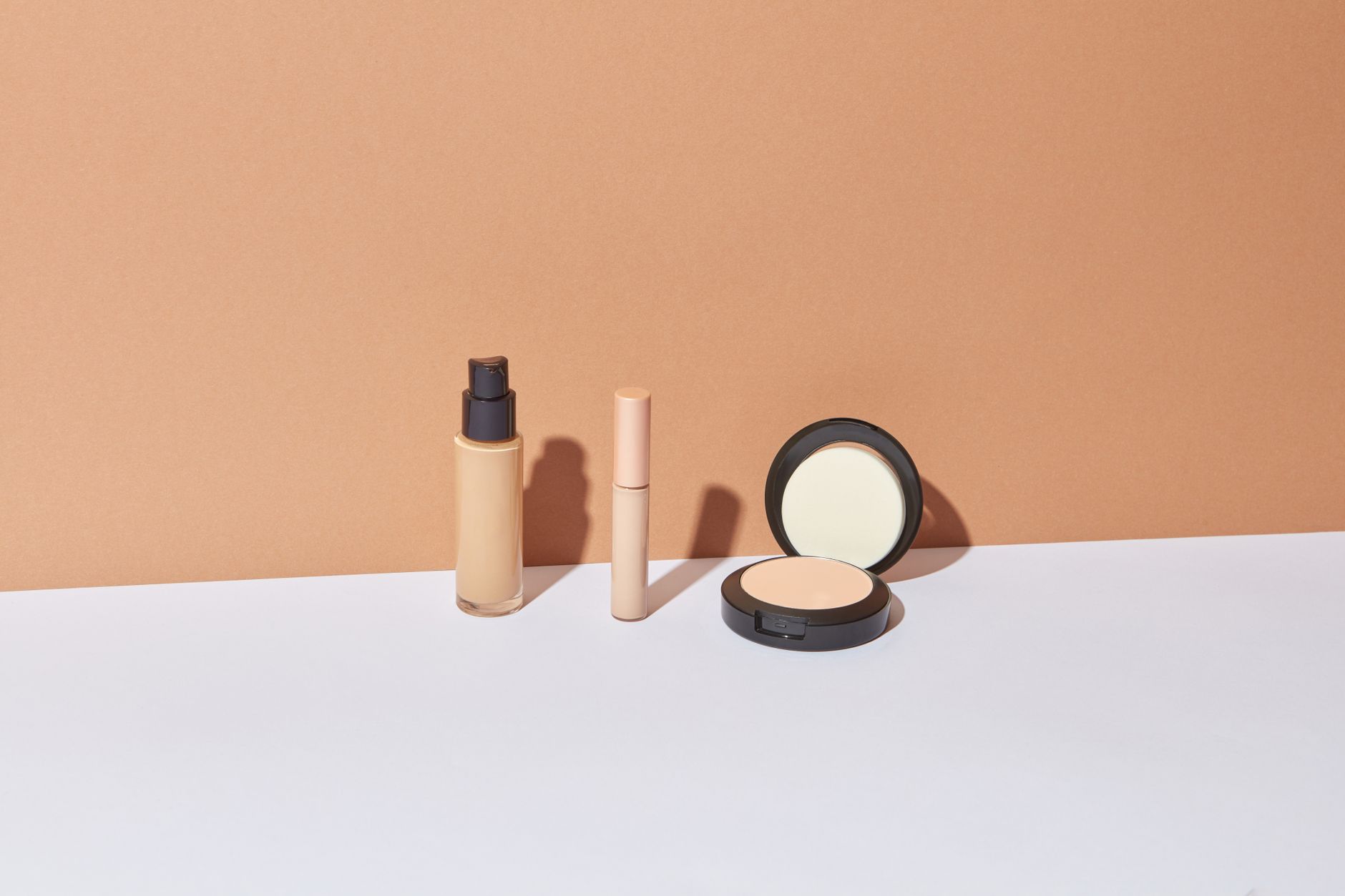
Premium foundations for oily, acne-prone skin during heat season need to balance coverage with breathability—prioritizing oil-control ingredients, lightweight formulas, and non-comedogenic certifications that won’t trap sweat or bacteria. The challenge during heat season is that increased humidity and perspiration amplify oiliness, making standard foundations separate, migrate, or clog pores more readily. A foundation designed for this environment uses silicone or water-based systems that allow skin to breathe while maintaining an even tone, rather than heavy, occlusive formulations that would worsen breakouts triggered by heat, friction, or trapped moisture.
Finding the right match requires understanding what “premium” means in this context—not necessarily luxury pricing, but rather formulas engineered with acne-specific considerations: pore-minimizing polymers, non-irritating color pigments, and oil-absorbing powders that perform in sweat and humidity without requiring heavy touch-ups. A person with oily, acne-prone skin might choose a silicone-based, matte foundation with built-in SPF during summer months over their usual foundation, because the silicone matrix creates a controlled surface that resists breakdown and the matte finish masks shine without adding weight. Heat-season foundations for acne-prone skin also differ from standard foundations in their staying power strategy: rather than relying on heavy dimethicone or occlusive ingredients that build up over time, they use lightweight siloxanes or water-soluble binders that set quickly on skin and resist migration into pores. This distinction matters because a foundation that holds its finish through sweat without migrating into oil-productive areas of the face will reduce the visual and mechanical irritation that worsens existing acne and triggers new breakouts.
Table of Contents
- What Makes a Foundation Suitable for Oily Skin and Acne During Heat?
- Silicone-Based versus Water-Based Formulas for Acne-Prone Skin
- Oil-Control Ingredients and Their Limitations in Heat
- Selecting and Testing a Premium Foundation for Summer Acne Control
- Common Breakout Triggers When Wearing Foundation in Heat
- Ingredient Compatibility with Acne Medications and Treatments
- Heat-Resistant Formulas and Ingredient Stability
- Frequently Asked Questions
What Makes a Foundation Suitable for Oily Skin and Acne During Heat?
Foundations labeled for oily or acne-prone skin typically contain oil-control agents such as silica, talc, or rice starch that absorb excess sebum without drying the skin barrier. During heat season, when humidity and sweat production increase, these absorbent ingredients become more critical—they prevent the glossy, separated appearance that occurs when sweat and oil mix on the surface, and they reduce the conditions that encourage bacterial growth in occluded pores. However, not all absorbent ingredients perform equally: talc-based absorbers can feel heavy and cake if overapplied, while silica-based systems distribute more evenly and maintain a natural finish even after sweating. A foundation designed for acne-prone skin during heat must also avoid ingredients known to trigger or worsen breakouts: comedogenic oils, heavy silicones in high concentrations, and certain fragrance compounds.
Non-comedogenic testing—whether by third-party certification or manufacturer claims—indicates that the formula has been evaluated for pore-clogging potential. During heat season specifically, a non-comedogenic foundation becomes even more important because sweat mixes with foundation residue, creating an environment where bacteria proliferate more readily in occluded follicles. The formula’s staying power also influences acne risk: a foundation that breaks down or separates quickly will be rubbed or re-applied more often, increasing friction and mechanical irritation to existing acne lesions. Lightweight formulations—typically described as “fluid,” “serum,” or “powder-gel” foundations—are preferable for oily, acne-prone skin in heat because they deliver coverage without the weight and occlusive feel of full-coverage, cream-based formulas. A serum-based foundation uses a liquid vehicle that sets quickly and resists sliding into pores, whereas a traditional cream foundation may feel heavy and generate the impulse to layer powder or blotting tissue repeatedly, which increases friction and irritation.
Silicone-Based versus Water-Based Formulas for Acne-Prone Skin
Silicone-based foundations—those using dimethicone, cyclopentasiloxane, or similar siloxanes—create a smooth, durable film on the skin that resists moisture and lasts through sweat and humidity. The silicone matrix works by forming a breathable polymer coating that allows water vapor to escape while preventing external humidity from breaking down the foundation’s finish. For acne-prone skin, a silicone-based formula can be advantageous because the controlled surface it creates resists the breakdown and migration that leads to clogged pores. However, a limitation is that heavy silicone concentrations may feel occlusive or trap heat—particularly problematic during heat season if the formula doesn’t include volatile silicones that evaporate quickly. A person with very oily, acne-prone skin might find that a high-silicone foundation works well for finish and longevity but feels heavy if the specific product formulation is dense rather than fluid. Water-based foundations offer an alternative approach: they use water as the primary vehicle and rely on silica, powders, or silicone emulsions at lower concentrations to manage oil control and finish.
These formulas often feel lighter and cooler on skin during heat season because water evaporates, creating a naturally breathable finish. For acne-prone skin, water-based foundations can reduce the occlusive feel and lower the risk of heat trapping, but they may require more frequent touch-ups or setting with powder because the water vehicle doesn’t create as durable a barrier as silicone. A water-based foundation’s staying power in intense heat depends significantly on the powder or silica content—too little and the foundation becomes shiny and separates within an hour; too much and it feels heavy and dry. The choice between silicone and water-based depends on individual skin response and the intensity of the heat-season climate. In humid, very hot conditions, a water-based or hybrid formula (containing both silicone and water in balanced amounts) may provide better comfort without sacrificing wear time. In drier heat, a lightweight silicone formula with volatile components often provides superior lasting power without feeling occlusive.
Oil-Control Ingredients and Their Limitations in Heat
Premium foundations for oily, acne-prone skin often highlight oil-control ingredients such as silica microspheres, perlite powder, or bismuth oxychloride—each of which absorbs or reflects oil in different ways. Silica works by adsorbing (binding to the surface of) excess sebum, creating a matte finish that resists shine for several hours. Perlite powder functions similarly but feels lighter and is derived from volcanic glass, making it a physical absorber rather than a chemical one. Bismuth oxychloride provides a soft-focus, light-reflecting finish that minimizes the appearance of shine and texture, though some formulations contain bismuth oxychloride in high enough concentrations to interfere with acne medications like benzoyl peroxide or salicylic acid. A specific example: a foundation with 8-10% silica content will typically absorb moderate oil production and maintain a matte finish through several hours of normal activity. During heat season with increased sweating, however, that same foundation may reach saturation point (the absorbent capacity is overwhelmed) after 3-4 hours, especially on the T-zone, causing the finish to become glossy and the foundation to move into pores.
The limitation is that adding more silica to improve oil absorption also increases the risk of a chalky, powder-like appearance or a feel that some skin types perceive as drying. This tradeoff—more oil control versus more natural finish—is why premium foundations for oily skin during heat often use a combination of absorbents (silica plus a lightweight mineral powder) rather than relying on one ingredient alone. Another consideration is that oil-control ingredients can interact with acne medications. Benzoyl peroxide, a common acne treatment, can stain foundations containing iron oxides or certain mineral pigments. Salicylic acid may be irritated by high concentrations of minerals or silicas that create friction or dryness. A foundation designed for acne-prone skin should either avoid layering these absorbents over areas where acne medication is applied, or use a formulation that is compatible with the specific treatment being used.
Selecting and Testing a Premium Foundation for Summer Acne Control
Testing a foundation for suitability requires observing not only initial feel but also performance over 6-8 hours of normal activity in heat conditions. The first test—the one-day wear test—involves applying the foundation in the morning, noting the finish and comfort, then checking appearance and skin condition every 2 hours throughout the day. A foundation suitable for oily, acne-prone skin during heat should maintain an even, matte or satin finish without separating into patches of shine or moving visibly into pores. The skin should feel comfortable—not tight, dry, or occlusive—and any existing acne should not feel more irritated by friction or heat trapping. A comparison test, in which a person applies one foundation to one half of the face and another product to the other half, can reveal subtle differences in staying power, comfort, and breakout risk. Applying a foundation for oily, acne-prone skin during heat differs from standard application technique: using a light hand and a dampened beauty sponge or brush (rather than fingers, which transfer heat and friction) helps prevent over-layering and irritation.
A primer designed for oily skin—typically a lightweight silicone-based or pore-minimizing gel—can improve foundation staying power and reduce the need for touch-ups throughout the day. However, adding a primer adds another layer to the skin, which some acne-prone individuals find increases occlusion and breakout risk. The tradeoff is between extended wear time (achieved with primer) and reduced occlusion risk (achieved by omitting primer and accepting slightly shorter wear). Many people with acne-prone skin benefit from using a targeted primer only on the T-zone (forehead, nose, chin) rather than the entire face. Setting the foundation with a translucent, finely-milled powder helps lock in the finish and extend wear time without adding color payoff or irritation. A setting spray—typically a water-based product that locks makeup in place through humidity and heat—can be effective during intense heat-season conditions, though some acne-prone individuals find that setting sprays leave a sticky residue that attracts bacteria or sweat. Testing these combinations on days with varying heat levels helps identify which approach works best for individual skin and climate conditions.
Common Breakout Triggers When Wearing Foundation in Heat
Foundation worn in heat and humidity creates a modified microenvironment on the skin surface: elevated temperature, increased moisture, and the presence of non-skin-compatible substances create ideal conditions for bacterial growth if the foundation formula or application technique promotes occlusion. The most common breakout trigger is re-application or touching the face throughout the day—a habit that many people develop when they notice foundation separating or becoming glossy in heat. Each touch transfers bacteria, oil, and friction to the skin, worsening existing acne and triggering new lesions. A foundation that resists breakdown and doesn’t require frequent touch-ups will reduce this risk significantly compared to formulas that separate after 2-3 hours. Another trigger is using an expired, contaminated, or incorrectly stored foundation.
Foundations stored in hot conditions (a car glove compartment or bathroom exposed to shower steam, for example) can separate, degrade, or develop bacterial growth that isn’t visible but transfers to the skin when applied. A premium foundation intended for acne-prone skin should be replaced every 6-12 months and kept in a cool, dry location. A warning: if a foundation develops an unusual smell, visible separation that doesn’t re-mix when shaken, or a texture change, it should be discarded regardless of purchase date, as degradation may have occurred. A third common issue is not removing the foundation thoroughly at the end of the day. During heat season, when foundation is applied thickly or multiple times, residue can remain in pores even after cleansing, especially if a person uses a cleanser that isn’t formulated to break down the foundation’s silicone or oil base. Using a cleansing balm or oil-based cleanser first (even for oily skin types), followed by a water-based cleanser, ensures complete removal and reduces the risk of overnight pore clogging and morning breakouts.
Ingredient Compatibility with Acne Medications and Treatments
Foundations applied over active acne medication require careful selection to avoid interfering with the medication’s efficacy or triggering irritation. Benzoyl peroxide, the most common over-the-counter acne treatment, can cause color fading or shifting in foundations containing certain iron oxide pigments—resulting in the foundation appearing yellow or orange-tinted after a few hours of wear. Salicylic acid, another common acne treatment, can interact with high concentrations of mineral or silica-based absorbers in foundations, creating friction, irritation, or pilling on the skin surface.
A foundation designed for use with active acne medication should either be specifically formulated to be compatible or should be applied only over areas of the face not currently being treated. A practical approach is to apply foundation 15-20 minutes after applying acne medication, allowing the medication to fully absorb, then apply foundation thinly over the treated area rather than using normal layering. For individuals treating significant acne across large portions of the face, a tinted sunscreen or BB cream (which contain lower concentrations of pigment and fewer absorbent powders) may be more suitable than a full-coverage foundation during active treatment phases, allowing medication to work while still evening out skin tone.
Heat-Resistant Formulas and Ingredient Stability
Premium foundations formulated to resist breakdown in heat and humidity typically use heat-stable pigments and polymers that don’t separate or migrate when exposed to high temperatures. Iron oxides, which are the most common color pigments in foundations, are stable in heat but can shift in appearance if the foundation’s binder system breaks down. Siloxane-based polymers (the silicones mentioned earlier) remain stable in high heat, whereas some natural binders can separate or become unstable, which is why synthetic or hybrid formulations typically outperform purely natural foundations in intense heat conditions.
A specific example: a foundation using volatile silicones—cyclopentasiloxane or similar ingredients that evaporate quickly—will set faster on hot skin and resist the separation that occurs when non-volatile silicones are used in heat. This volatile component makes the foundation feel lighter and cooler during application, and it allows the remaining binder system to set firmly without feeling occlusive. Foundations engineered for heat resistance often list “heat stable” or “long-wear” on packaging and typically perform through 8-12 hours of heat and humidity exposure, compared to standard foundations which may only perform for 4-6 hours in similar conditions. For acne-prone skin during heat season, choosing a formula explicitly tested for stability in heat reduces the need for touch-ups and re-application, which in turn reduces the friction and irritation that worsen breakouts.
Frequently Asked Questions
Can I wear foundation over benzoyl peroxide without it interfering with acne treatment?
Yes, but with a 15-20 minute wait after applying medication, using a thin layer, and choosing a foundation that doesn’t contain iron oxides or heavy mineral powders that might stain or interact with benzoyl peroxide. Many acne-prone individuals find that tinted sunscreens or BB creams are less problematic during active treatment phases.
How often should I reapply foundation during a hot, humid day if I have oily, acne-prone skin?
A premium, heat-resistant foundation designed for oily skin should last 6-8 hours without significant breakdown. Reapplying by blotting with blotting paper first, then applying powder rather than re-layering liquid foundation, minimizes friction and bacterial transfer that worsens acne.
Does silicone in foundation make acne worse?
Not inherently—lightweight silicone formulations allow skin to breathe and resist breakdown, which can reduce breakout risk. Heavy silicone concentrations may feel occlusive, so choosing a fluid, lightweight silicone formula rather than a thick, cream-based one matters for acne-prone skin.
What’s the difference between oil-control powders like silica and talc in foundations?
Silica absorbs oil through adsorption and distributes evenly for a natural finish; talc also absorbs oil but can feel heavier and may cake if layered heavily. Both can interfere with acne medications, so apply thinly over treated areas.
Should I use a primer under foundation if I have acne-prone skin?
A pore-minimizing primer used only on the T-zone (forehead, nose, chin) can extend foundation wear without significantly increasing occlusion. Applying primer to the entire face may increase breakout risk by trapping heat and moisture, so targeted application is often the better approach.