
Board certified dermatology specialists create personalized acne solutions by conducting thorough evaluations of your skin type, acne severity, underlying causes, and medical history—then recommending targeted treatments that address your specific condition rather than applying a one-size-fits-all approach. This individualized strategy recognizes that acne varies dramatically from person to person: one patient’s inflammatory cystic breakouts may stem from hormonal fluctuations, while another’s comedonal acne results from oil production and bacterial colonization, making different interventions necessary.
For example, a 28-year-old woman with hormonal cystic acne along the jawline requires an entirely different protocol than a 16-year-old boy with blackhead-prone oily skin across the forehead, even though both have “acne.” The distinction between personalized dermatological care and generic over-the-counter approaches lies in diagnosis. A board certified dermatologist can identify whether your acne is hormonal, bacterial, inflammatory, comedonal, or a combination of these factors—information that fundamentally changes which treatments will actually work. They also screen for underlying conditions like polycystic ovary syndrome, rosacea mimicking acne, or fungal infections that standard acne products would worsen rather than improve.
Table of Contents
- Why Personalized Acne Assessment Matters More Than Generic Treatment
- How Board Certified Dermatologists Diagnose Acne Type and Severity
- Prescription Treatment Options Available Through Dermatologists
- Procedural and Combination Treatments for Resistant Acne
- How Personalized Treatment Plans Account for Skin Sensitivity and Barrier Function
- Identifying and Managing Acne-Like Conditions Mistaken for True Acne
- Building Realistic Expectations and Long-Term Acne Management
Why Personalized Acne Assessment Matters More Than Generic Treatment
Every person’s skin barrier, microbiome, and hormonal environment differs, which means acne manifests and responds to treatment differently across individuals. A dermatologist performs this assessment by examining lesion type, distribution pattern, severity, and duration, then correlating these observations with your lifestyle, medication use, and medical history. Someone taking steroids for another condition, for instance, may experience acne that won’t respond to standard treatments until the underlying hormonal imbalance is addressed.
Similarly, a person using certain oral contraceptives may find their acne improves dramatically with a different formulation, even though the acne itself isn’t fundamentally changing. This personalized approach prevents the common frustration of trying five different acne products with no improvement—a pattern that often occurs because the recommended treatments don’t target the actual root cause. Someone with fungal acne caused by Malassezia, for example, will see no improvement from antibacterial acne washes and may actually worsen their condition, since antibacterials kill competing bacteria and allow fungal overgrowth. Only a dermatologist can recognize this specific presentation and recommend antifungal treatments instead.
How Board Certified Dermatologists Diagnose Acne Type and Severity
Board certified dermatologists follow standardized diagnostic criteria to classify acne accurately. They assess comedonal (blackheads and whiteheads), papular (small red bumps), pustular (pus-filled lesions), nodular (deeper cysts), and cystic presentations, then grade overall severity on scales like mild, moderate, or severe—a classification that directly determines whether oral medications, topical treatments, or procedural interventions are appropriate. Mild acne confined to a small area might resolve with topical retinoids and benzoyl peroxide, while severe cystic acne affecting large areas of the face and body typically requires oral isotretinoin or systemic treatments that only a dermatologist can prescribe and monitor.
A critical limitation of self-diagnosis is that patients cannot reliably distinguish between acne subtypes or assess whether their condition qualifies as mild, moderate, or severe without professional training. Someone describing their acne as “really bad” might have moderate comedonal acne that responds well to topical treatments within weeks, or they might have mild cystic acne that will take months to resolve and risks permanent scarring without aggressive intervention. This distinction changes the entire treatment strategy, and getting it wrong means wasted time and potential skin damage.
Prescription Treatment Options Available Through Dermatologists
Personalized dermatological care provides access to prescription medications that over-the-counter products cannot deliver. Topical retinoids like tretinoin, adapalene, and tazarotene work by normalizing skin cell turnover and reducing comedone formation, but require professional guidance because they cause irritation, sun sensitivity, and birth defects if used during pregnancy—information that self-prescribers often miss. Oral antibiotics including doxycycline and minocycline reduce bacterial populations and inflammation, but demand monitoring for side effects and resistance development over time.
Hormonal therapies such as oral contraceptives or spironolactone address acne driven by androgen sensitivity, an option only available through a dermatologist’s evaluation and prescription. For severe acne unresponsive to other treatments, isotretinoin represents the only medication capable of producing long-term remission or cure, but its potential side effects—including severe birth defects, dry mucous membranes, and lipid abnormalities—require monthly lab work, dermatology visits, and enrollment in a risk management program. This medication illustrates why personalized dermatological care exists: a dermatologist must determine whether isotretinoin’s benefits outweigh its risks for your specific situation, monitor your response, and adjust dosing based on your lab results and symptoms.
Procedural and Combination Treatments for Resistant Acne
Beyond medication, board certified dermatologists offer procedural treatments often combined with topical and oral therapies for faster results. Chemical peels using salicylic acid, glycolic acid, or other agents chemically exfoliate the skin surface and upper layers, accelerating the removal of comedones and reducing bacterial populations—an approach that works well for comedonal acne but provides limited benefit for deep cystic lesions. Laser and light therapies target the sebaceous glands that produce excess oil and Cutibacterium acnes bacteria, with some wavelengths also reducing inflammation by stimulating collagen remodeling.
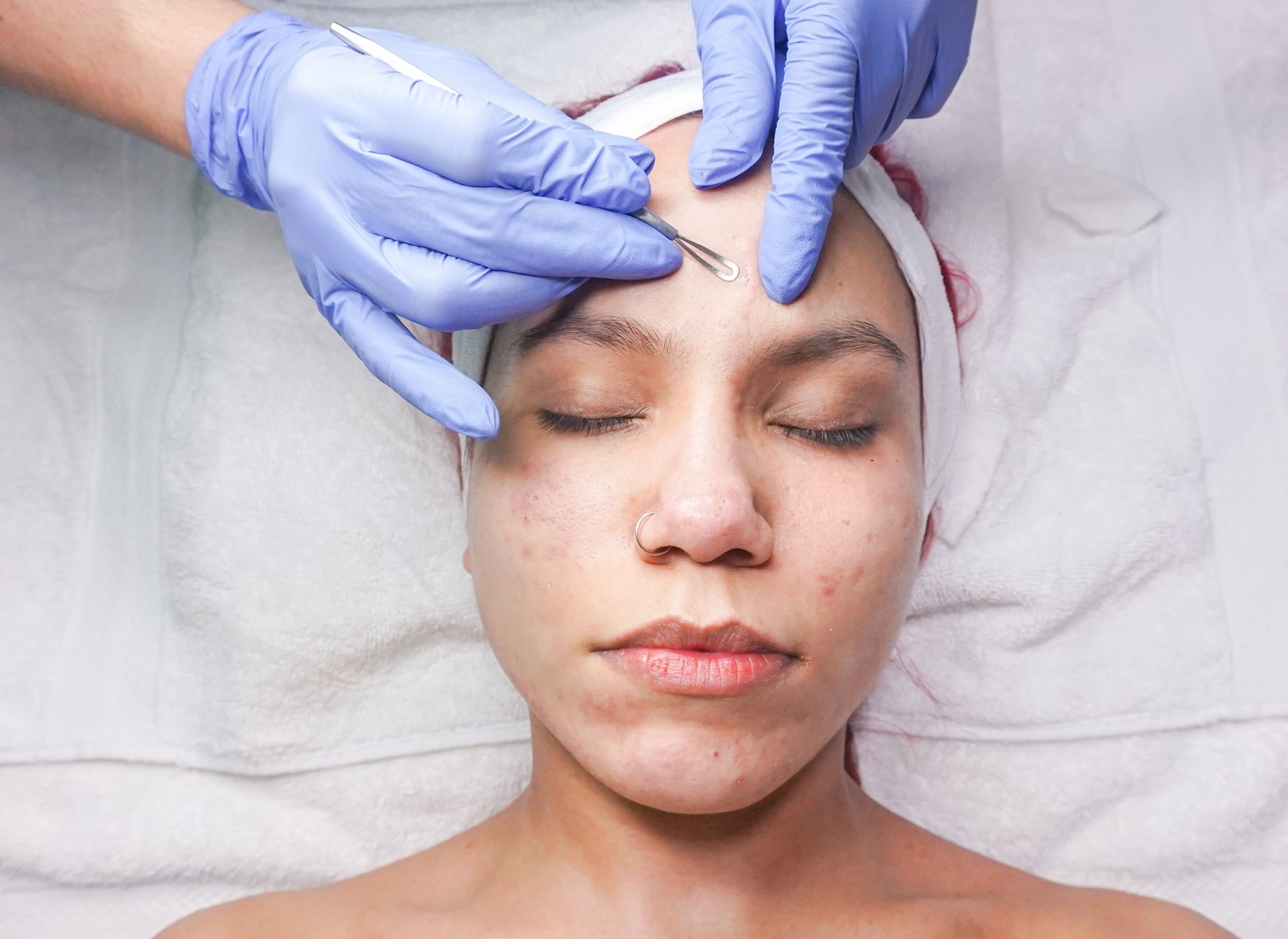
Extraction of comedones under professional conditions removes trapped oil and bacteria without the scarring and infection risk that accompanies aggressive squeezing at home. The tradeoff with procedural treatments involves cost, time, and gradually diminishing returns. A series of chemical peels might cost more than three months of oral medication, and some procedures require multiple sessions spaced weeks apart before visible results emerge. Additionally, procedural treatments work best when combined with appropriate topical and sometimes systemic therapies—a peel alone won’t prevent new comedone formation if the underlying causes remain unaddressed, meaning patients must maintain their prescribed routine alongside in-office treatments.
How Personalized Treatment Plans Account for Skin Sensitivity and Barrier Function
A critical aspect of personalized acne care involves assessing your skin’s tolerance and barrier integrity, since aggressive acne treatments can damage the protective barrier and trigger sensitivity, redness, and paradoxical worsening. A dermatologist evaluates whether your skin is naturally sensitive, currently compromised by other products or conditions, or robust enough to tolerate strong treatments without irritation. Someone using tretinoin for acne, for example, must also use supportive moisturizers and sun protection—and if they develop excessive dryness or peeling, their dermatologist adjusts the frequency or concentration rather than discontinuing the medication.
A major limitation of standardized acne treatment protocols is that they don’t account for individual variation in barrier sensitivity. A concentration of benzoyl peroxide that works perfectly for one person causes severe burning and peeling in another, requiring dose reduction or alternative approaches. This is why prescription management matters: a dermatologist can start you on lower concentrations, monitor your response, and titrate upward only as tolerated, whereas generic acne regimens typically recommend standard concentrations regardless of individual tolerance. Additionally, if you’re using other medications or products that compromise barrier function—such as vitamin C serums, niacinamide, or acne medications—a dermatologist helps sequence these safely to minimize irritation.
Identifying and Managing Acne-Like Conditions Mistaken for True Acne
Dermatologists frequently encounter conditions that appear to be acne but require entirely different treatments: rosacea with acneiform pustules, folliculitis from bacteria or fungi, keratosis pilaris, perioral dermatitis, and drug-induced eruptions all resemble acne but fail to respond to standard acne therapy. Someone treating rosacea with benzoyl peroxide and antibacterial washes typically experiences worsening, since rosacea triggers differ fundamentally from acne.
A dermatologist’s training allows them to identify these distinctions through clinical evaluation and, when necessary, skin biopsy or culture—preventing months of ineffective treatment directed at the wrong condition. Fungal acne caused by Malassezia organisms exemplifies this challenge: patients often treat it as bacterial acne for weeks or months before discovering it actually requires antifungal medications. The mistake stems from identical-appearing pustules and comedones, but the treatment response proves diagnostic—if your acne worsens with antibacterial washes or shows no improvement after two weeks of appropriate acne therapy, your dermatologist can test for fungal infection and pivot to appropriate antifungal treatment.
Building Realistic Expectations and Long-Term Acne Management
Personalized acne care includes setting realistic timelines and expectations, since most treatments require weeks to months before visible improvement and several months for maximum benefit. Topical retinoids typically take six to eight weeks to show noticeable improvement, while oral antibiotics often require ten to twelve weeks of consistent use before significant clearing occurs. A dermatologist manages these expectations upfront and monitors your progress at scheduled intervals, adjusting treatment if inadequate response occurs rather than simply extending the timeline indefinitely.
Long-term acne management often involves maintenance therapy even after clearance, particularly for those with hormonal acne or genetic predisposition to oil production. Someone successfully treated with oral isotretinoin may remain clear indefinitely, but another person might need to continue topical retinoids or hormonal therapy indefinitely to prevent relapse. A board certified dermatologist works with you to identify what your specific acne requires for sustained control, adjusting intensity based on your skin’s evolution, life circumstances, and changing medications—an individualized approach impossible with one-size-fits-all acne product lines.
- —