
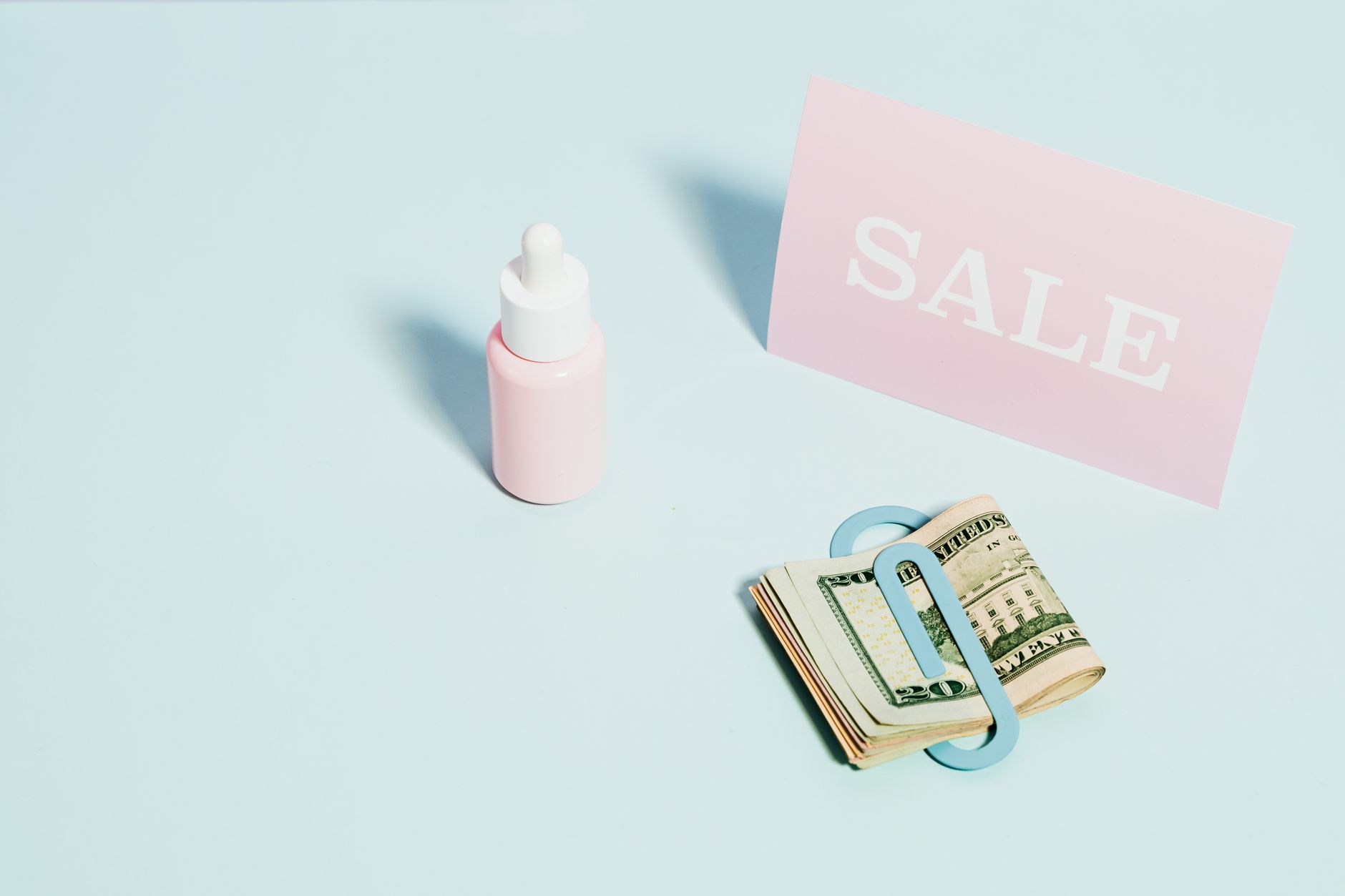
Budget retinol serums under $25 can deliver measurable results comparable to products costing several times more, and this gap has narrowed significantly in recent years. The difference between a thirty-dollar retinol serum and a $150 version often comes down to packaging, marketing, and texture preferences rather than the retinol molecule itself. The active ingredient—retinol—is chemically identical whether it costs $8 or $80, and the body processes it the same way, though concentration, stabilization, and supporting ingredients do affect real-world performance.
What matters most is retinol concentration, formulation stability, and proper application. A budget serum with 0.3% retinol in a opaque airless pump can outperform an expensive option with 0.1% retinol in a clear bottle where the ingredient has degraded from light exposure. Users report similar tolerance timelines and visible improvements—typically reduced fine lines and improved skin texture—within 8 to 12 weeks regardless of price point, provided they follow basic guidelines like introducing it gradually and using sunscreen daily.
Table of Contents
- Why Budget Retinol Serums Can Match Luxury Performance
- Stability and Formulation Matter More Than Price
- Real-World Effectiveness and Timeline Expectations
- Practical Considerations When Choosing a Budget Retinol
- Common Pitfalls and Warnings
- When Luxury Retinol Offers Real Value
- Evaluating the True Cost Per Result
- Frequently Asked Questions
Why Budget Retinol Serums Can Match Luxury Performance
The retinol molecule doesn’t change at different price points. It’s the same compound whether synthesized for a $20 brand or a $200 brand. What does vary is how companies stabilize the ingredient, dose it, and formulate the surrounding matrix. A budget serum might skip premium emollients or use simpler packaging, but if the retinol concentration is adequate and the formula isn’t breaking down, efficacy comes through.
Many dermatologists note that retinization—the skin’s adaptation period to retinol—happens at roughly the same pace regardless of whether someone uses a budget or luxury version, usually taking 4 to 6 weeks before noticeable improvements emerge. The real advantage luxury brands possess is often better supporting ingredients and texture refinement. A luxury retinol serum might include peptides, niacinamide, or hyaluronic acid to offset irritation, making the product more comfortable during the adjustment phase. Budget serums sometimes deliver retinol with minimal additives, which can mean faster results for some but more irritation for others. Neither approach is universally superior; the choice depends on skin sensitivity and whether someone prioritizes comfort or minimalism.
Stability and Formulation Matter More Than Price
retinol degrades when exposed to light, air, and heat, so packaging quality directly impacts how long an expensive or inexpensive serum remains effective. A luxury product in a light-blocking airless pump might outperform a budget serum in a clear glass bottle with a dropper, even if both cost the same. Shelf stability data shows that retinol stored in opaque containers at room temperature retains potency far longer than the same ingredient in transparent packaging.
This is a critical limitation of some budget options—they occasionally arrive with degraded retinol due to careless shipping or storage in warehouses exposed to fluorescent lighting. The formulation base also affects absorption and irritation potential. Budget serums sometimes use lower-cost humectants like glycerin alone, while luxury versions layer in ceramides, peptides, or plant extracts to buffer irritation and improve skin barrier function during retinization. Neither is inherently wrong, but someone with compromised skin barrier might tolerate the luxury formula better during the first few weeks, even though both contain identical retinol molecules achieving the same long-term results.
Real-World Effectiveness and Timeline Expectations
Users starting retinol serum—budget or luxury—typically experience mild redness, dryness, or flaking in weeks one through three as skin adjusts. This retinization phase is unrelated to price; it’s the skin’s biochemical response to increased cell turnover. By week 4 to 6, the adjustment phase usually subsides, and users report smoother texture and reduced fine lines.
Both budget and luxury users follow the same timeline, suggesting the price difference doesn’t accelerate results. One concrete limitation: budget serums sometimes require more frequent application to deliver the same total retinol dose over time, depending on concentration. If a budget serum contains 0.15% retinol and a luxury version contains 0.4%, the cheaper product might need nightly use whereas the luxury version could be used twice weekly, narrowing the cost-per-use difference. Checking the label for concentration percentage reveals this; many budget brands list it clearly, while some luxury brands do not, which complicates direct comparison.
Practical Considerations When Choosing a Budget Retinol
When selecting a budget retinol under $25, concentration and packaging are the two non-negotiable factors. Look for serums labeled with a specific retinol percentage (0.2% or higher is effective for most users) and housed in opaque, airless containers to ensure the ingredient survives until application. Budget brands that meet both criteria perform similarly to luxury alternatives; those missing either typically disappoint or deliver slower results.
Application method also bridges the budget-luxury divide. Whether the serum costs $18 or $150, the routine remains the same: start with twice-weekly application on clean, dry skin, wait 20 minutes before applying moisturizer, and increase frequency only if tolerance allows. A budget serum used correctly outperforms an expensive serum used incorrectly (applied too frequently or without adequate moisturizer, for example). This is where real-world results diverge from price—discipline and consistency matter far more than cost.
Common Pitfalls and Warnings
Budget serums sometimes contain retinol but pair it with irritating ingredients like essential oils or high concentrations of alcohol, which amplify dryness and sensitivity without adding efficacy. This is a legitimate tradeoff; a $15 serum with retinol plus fragrance and alcohol might irritate more than a $50 serum formulated to minimize irritation. Reading the full ingredient list, not just spotting retinol, prevents buying a technically correct but poorly formulated product.
Another warning: budget serums occasionally include retinol alternatives like retinyl palmitate or retinol esters, which are weaker than pure retinol and take longer to show results. These ingredients aren’t harmful, but they’re not equivalent to retinol, and the serum’s effectiveness depends on the specific ester used and its concentration. Marketing language like “retinol complex” often signals a blend of weaker forms rather than pure retinol, which can disappoint users expecting serum-grade performance.
When Luxury Retinol Offers Real Value
Luxury retinol serums justify higher prices primarily through texture, stability, and supporting ingredients rather than the retinol itself. A high-end serum might deliver retinol in a lightweight gel texture that absorbs faster and leaves no residue, whereas a budget serum might sit tackier on the skin. For sensitive individuals or those prone to irritation, the additional buffer ingredients in luxury formulas—like panthenol, allantoin, or plant extracts—genuinely improve comfort and adherence.
If someone has previously reacted poorly to budget retinol, the cushioning ingredients in a luxury option might make the difference between tolerating retinol and abandoning it. Packaging consistency is another area where luxury brands excel. High-end retinol serums rarely arrive compromised by light or heat damage because they invest in supply chain control and testing. Budget serums may arrive degraded if they’ve been exposed to warehouse lighting or shipped without temperature control, resulting in a product that looks normal but has lost efficacy.
Evaluating the True Cost Per Result
The lowest-priced retinol serum isn’t always the cheapest over time. A $15 serum with low concentration or poor stability might require daily use and frequent repurchasing due to degradation, while a $23 serum with higher concentration and better packaging might last twice as long and deliver results faster. Comparing cost per month of use, or cost per effective dose, reveals whether the budget option is truly economical.
Reading independent reviews from users with similar skin types—oily, dry, sensitive, combination—provides practical insight beyond marketing claims. Consistent reports from multiple users about whether a budget serum reduced breakouts, texture, or fine lines carry more weight than luxury brand promises. This approach to evaluation works across price points and reveals that many budget serums consistently deliver on basic retinol performance, making the premium versions competitive on comfort and texture rather than efficacy alone.
- —
Frequently Asked Questions
How long does it take a budget retinol to show results?
Most users report visible improvements in fine lines and texture within 8 to 12 weeks of consistent use. The first 4 to 6 weeks are an adjustment period with potential redness and dryness, regardless of price.
What concentration of retinol should I look for in a budget serum?
0.2% retinol or higher is considered effective. Check the product label; if concentration isn’t listed, the formula likely contains retinol alternatives or weak esters rather than pure retinol.
Can budget retinol cause the same irritation as luxury retinol?
Yes. Retinization—the skin’s adaptation phase—occurs at the same pace regardless of price. How comfortable someone is depends more on whether the formula includes soothing ingredients and whether the user introduces it gradually.
How should I store a budget retinol serum to prevent degradation?
Keep it in a cool, dark place away from sunlight. Opaque, airless containers protect better than clear bottles. Even budget serums stay stable if properly stored, but poor storage or shipping can degrade expensive versions equally.
Is a $25 retinol serum worth it compared to paying $100?
If both have comparable concentrations and proper packaging, the $25 version delivers similar results. The $100 version typically offers better texture, supporting ingredients to ease irritation, or superior stability assurance, not faster efficacy.