
Best acne stickers that transformed skincare into trendy accessories
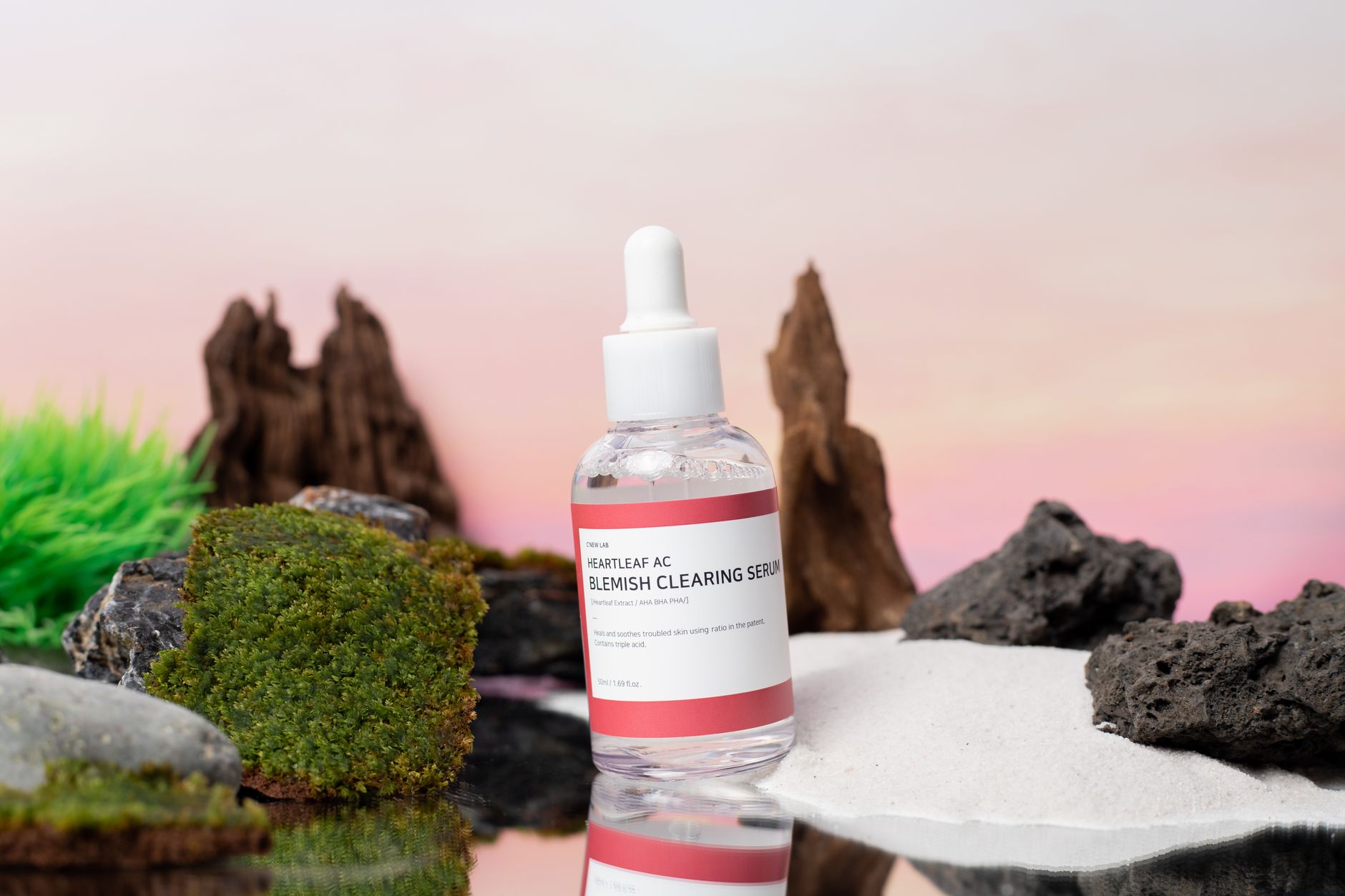
Star-shaped acne patches have become skincare status symbols, but their trendy reputation often exceeds their actual clinical impact.
Star-shaped acne patches have become skincare status symbols, but their trendy reputation often exceeds their actual clinical impact.
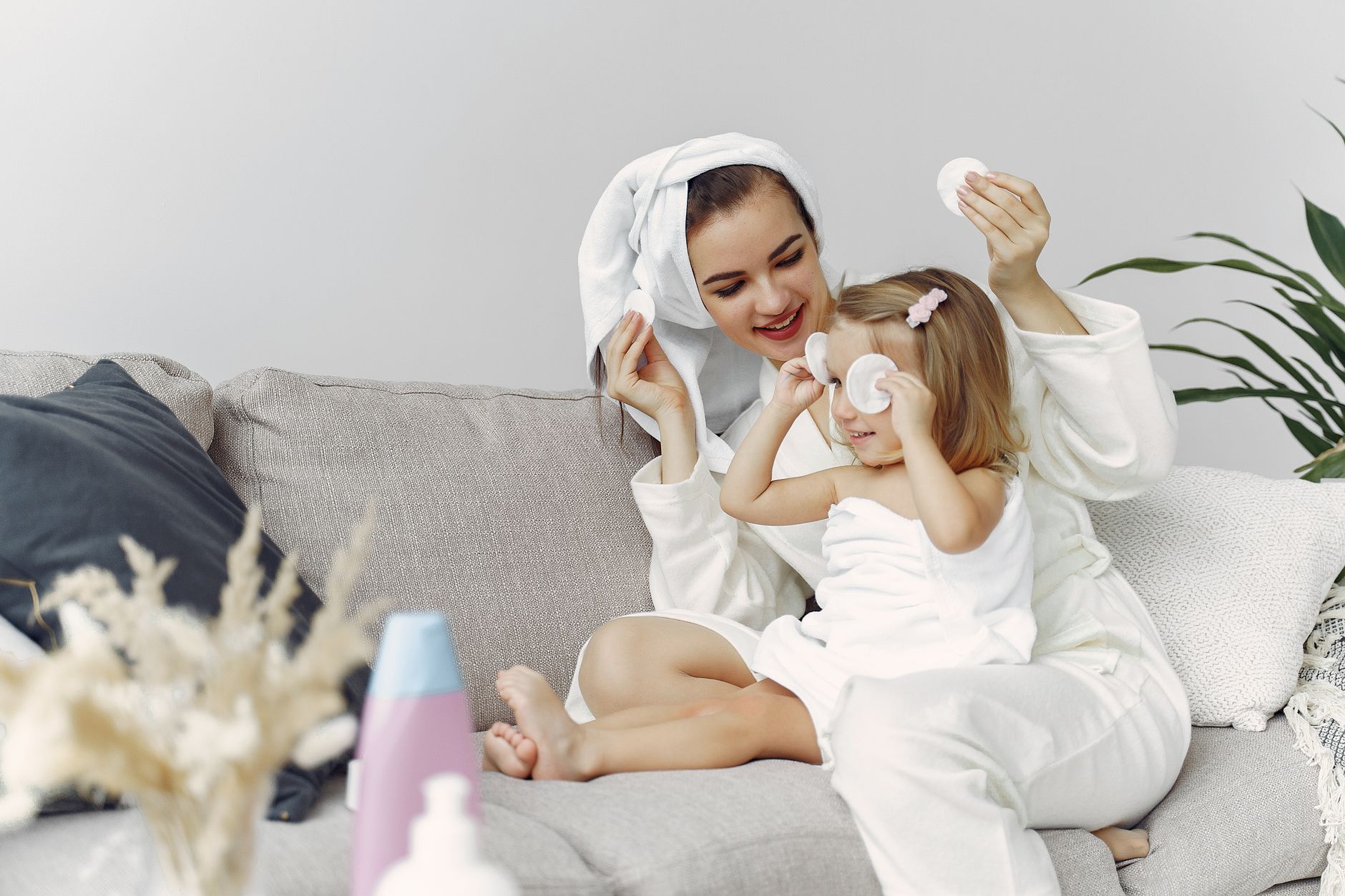
Nearly half of parents whose teens have acne are unintentionally making skin worse by washing too often, damaging the protective barrier that keeps breakouts in check.

Benzoyl peroxide 2.5% works as well as 10% but with fewer side effects—here’s what the clinical evidence actually shows.
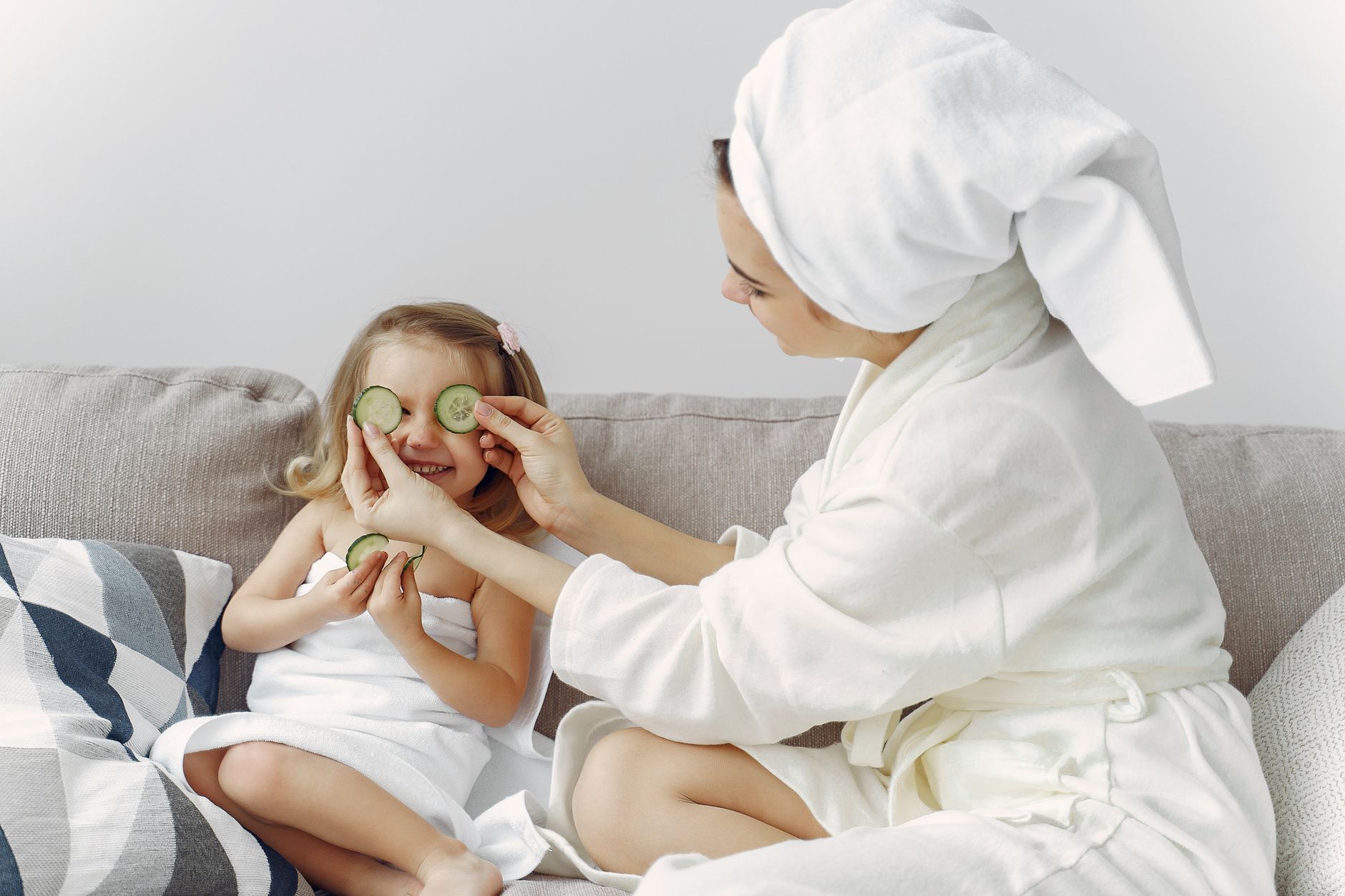
Fabric softener residue coats pillowcases with pore-clogging compounds that worsen teen acne—and most parents don’t realize it’s happening.
Teledermatology can deliver a skin-picking prescription in 24–48 hours, but only if your case is clear-cut and your submission is complete.
Most athletes don’t know fabric softener residue on pillowcases actively irritates acne-prone skin throughout the night.
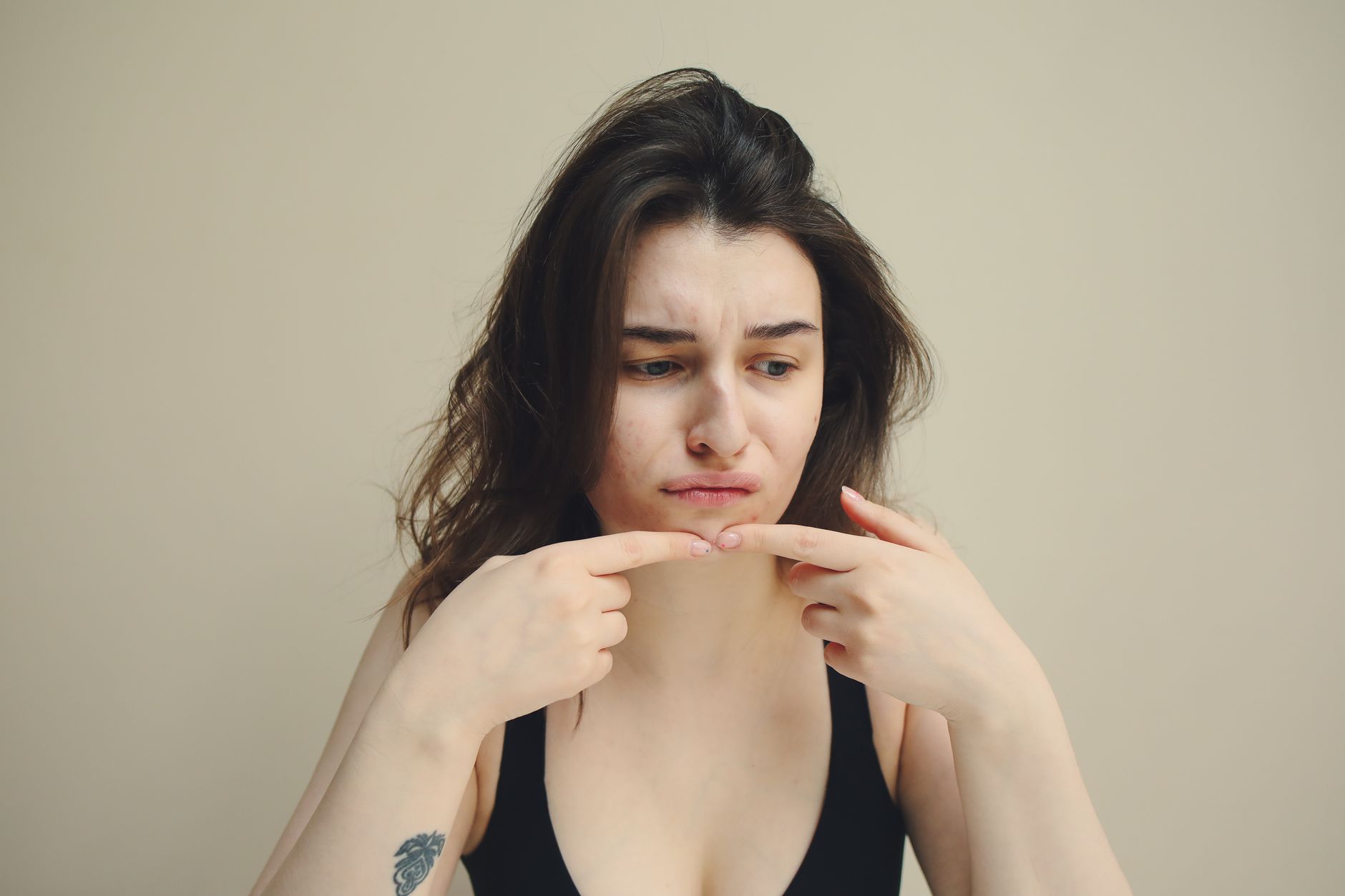
The insulin-and-oil mechanism is real dermatology; the “19% of skin-pickers” figure behind it is not. Here’s how to tell them apart.
Healthcare workers report that fabric softener residue on pillowcases significantly aggravates maskne during sleep recovery periods.
Skim milk increases acne risk by 32%, but the connection to skin picking isn’t what you think.

Fabric softener buildup on pillowcases can trigger acne flares—here’s how to identify and prevent it.