
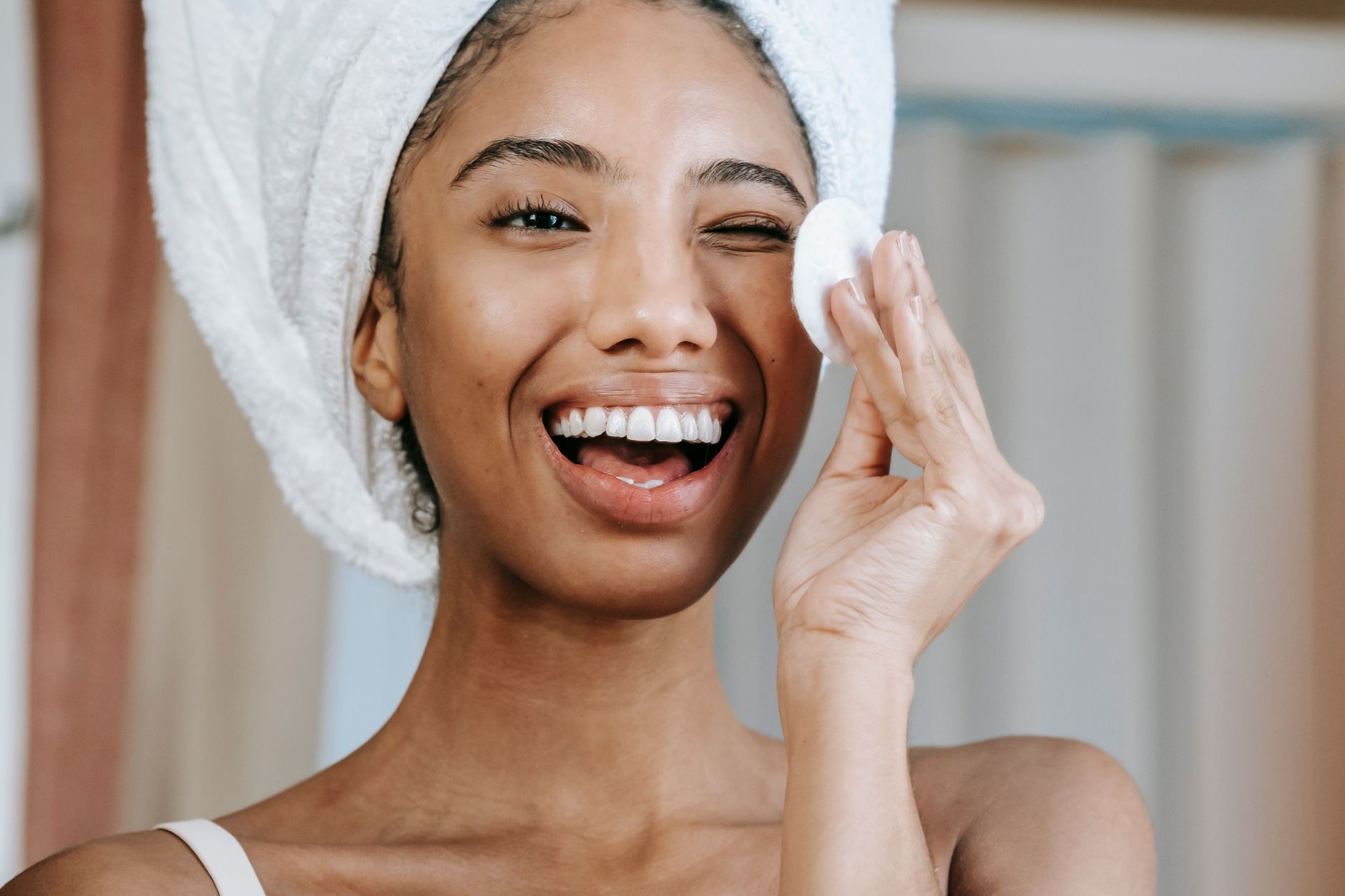
Monsoon humidity triggers predictable breakouts in oily skin because atmospheric moisture interrupts your skin's natural balance at every level—from sebum overproduction to bacterial proliferation to cell shedding. When humidity exceeds 60%, skin compensates by producing excess oil; when it climbs above 80% for weeks during monsoon season, that response compounds, making acne more frequent and harder to control with your usual routine.
The good news is that seasonal acne responds to straightforward modifications. Your skincare doesn't need reinvention—it needs lighter formulations, more frequent cleansing, and targeted treatments that address humidity-specific triggers. The research shows 56% of acne patients in tropical climates report summer aggravation, but those who adjust their approach see measurable improvement.
Medical information disclaimer: This article is for general educational purposes only and does not provide medical advice, diagnosis, or treatment. Always consult a physician or other qualified health professional about symptoms, medications, tests, or treatment decisions.
Table of Contents
- How humidity drives breakouts in oily skin
- Humidity also changes your skin's microbiota
- Cleansing changes that prevent monsoon breakouts
- Switch to lightweight hydration and oil-control serums
- Sunscreen and other adjustments
- What to expect and when to adjust further
- Frequently Asked Questions
How humidity drives breakouts in oily skin
Monsoon conditions create a three-stage cascade that worsens acne. First, atmospheric humidity above 60% triggers sebum overproduction up to 30% in people with oily skin, according to the Journal of the European Academy of Dermatology and Venereology. Your skin reads high moisture in the air and overcompensates by producing more oil—a protective reflex that backfires during prolonged humidity.
Second, excess sebum blocks normal cell shedding. High humidity causes hyperkeratinization, an accelerated shedding of skin cells that fail to shed properly, which traps sebum and creates microcomedones deep in pores. Third, this oil-rich, moisture-rich environment becomes a breeding ground: the combination of excess sebum, trapped moisture, and occluded pores creates ideal conditions for *Cutibacterium acnes* bacteria to thrive, triggering inflammatory breakouts.
Humidity also changes your skin's microbiota
Beyond sebum, monsoon moisture shifts the balance of bacteria and yeast living on your skin's surface. Higher humidity increases sebum levels and alters bacterial and yeast populations, changing your skin's barrier function and increasing vulnerability to pathogenic colonization, according to Frontiers in Microbiology.
This means the bacteria that normally live harmlessly on your skin can become more aggressive, while less desirable species move in. This shift explains why monsoon breakouts often feel different from your baseline acne—they're often angrier, more widespread, and slower to respond to your usual treatments. Your skin barrier is working harder and less effectively during high humidity, which is why one-off treatments fail and comprehensive adjustments become necessary.
Cleansing changes that prevent monsoon breakouts
The most important adjustment is cleansing. Twice-daily cleansing with pH-neutral products removes accumulated grime, sweat, and excess oil that accumulate faster during monsoon season and contribute to breakout formation, per the British Association of Dermatologists. If you currently cleanse once daily or use heavy, foaming formulas, this is where to start.
Add a second step: salicylic acid (BHA) cleansers effectively penetrate pores to remove excess oil and prevent clogging during high-humidity periods, supported by American Academy of Dermatology guidelines. Use a gentle, pH-balanced cleanser first to remove surface oil and sweat, then follow with a BHA-based product. Limit BHA to once or twice daily if it causes dryness; some oily-skin types tolerate twice-daily use without irritation, but monsoon humidity can make skin more reactive.
Switch to lightweight hydration and oil-control serums
During monsoon season, your moisturizer choice matters more than any other single product. Dermatologists recommend switching to water-based, non-comedogenic moisturizers and avoiding heavy, occlusive creams and oil-based sunscreens that trap humidity against skin. Look for moisturizers labeled "hydrating" rather than "nourishing" or "rich"—the difference signals formulation weight.
For active oil control, lightweight niacinamide-based serums inhibit excess sebum production and minimize pore appearance without adding occlusive weight, addressing humidity's direct trigger of increased sebaceous gland activity. Apply serum before moisturizer on damp skin so it absorbs fully. Skip facial oils entirely during monsoon; their occlusive nature traps humidity against your skin and overwhelms the sweat-to-oil ratio you're already fighting.
Sunscreen and other adjustments
Sunscreen during monsoon demands a specific choice: avoid oil-based formulas and thick mineral sunscreens. Look for gel or lightweight water-resistant sunscreens labeled for oily or acne-prone skin. If your current sunscreen feels heavy or leaves a residue after a few hours in humidity, switch now rather than mid-season.
Exfoliate less frequently during monsoon, not more. The hyperkeratinization already occurring means your skin is shedding faster; over-exfoliating with acids, enzymes, or physical scrubs will thin your barrier and increase irritation. If you use exfoliating products, reduce frequency to once or twice weekly, and pause entirely if your skin becomes inflamed.
What to expect and when to adjust further
Expect improvement to take 3 to 4 weeks once you've adjusted your routine, since skin cell turnover runs roughly 28 days. If breakouts worsen in the first 1 to 2 weeks, you may have introduced too many active ingredients at once; scale back to cleansing and lightweight moisturizer, then add one treatment at a time.
If breakouts persist despite these adjustments—particularly if they're cystic, severe, or triggering visible scarring—consult a dermatologist. Oral medications, retinoids, or professional extractions may be necessary for humidity-triggered acne that doesn't respond to topical modifications alone. Seasonal acne is common and manageable, but it is not immune to treatment resistance.
Frequently Asked Questions
Can I use my winter acne routine during monsoon?
No. Winter formulations designed for dry skin are too heavy and occlusive for monsoon humidity. Heavier moisturizers, rich creams, and oil-based products trap the excess moisture already overwhelming your skin, worsening breakouts. Switch to water-based, lightweight alternatives immediately when humidity rises.
Should I stop using retinoids during monsoon season?
You can continue retinoids if your routine is otherwise well-adapted to humidity. Retinoids aid cell turnover, which actually helps address monsoon-related hyperkeratinization. However, if your barrier is compromised or skin is irritated, pause them until monsoon ends and your routine stabilizes. Resume gradually once humidity drops.
How often should I apply sunscreen during monsoon if I'm sweating?
Reapply sunscreen every 2 hours if you're sweating or in direct sun, as sweat compromises adhesion. For indoor settings with lower activity, once-daily application with your morning routine is sufficient. Choose lightweight, sweat-resistant formulations labeled for oily skin to avoid trapping additional moisture.