
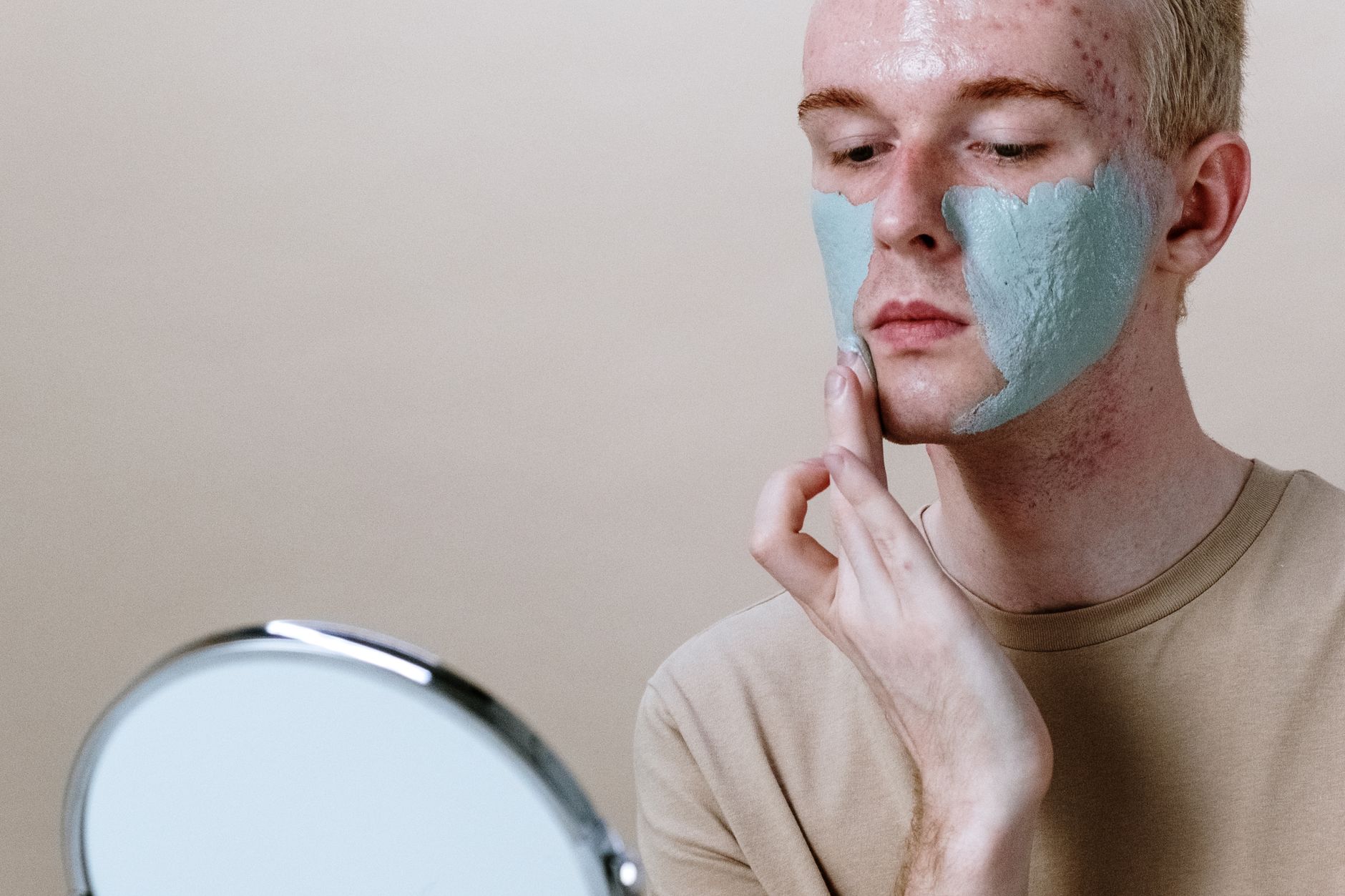
The most effective over-the-counter acne face washes for teenagers contain either salicylic acid or benzoyl peroxide, the only two active ingredients FDA-approved for teen acne. Dermatologists consistently recommend affordable drugstore brands like CeraVe, Neutrogena, and Cetaphil as first-line options, with formulas tailored to different skin types and acne severity. The right choice depends on your skin type and how your skin responds to each active. This guide explains what each ingredient does, which brands dermatologists trust, and how to start treatment safely.
Medical information disclaimer: This article is for general educational purposes only and does not provide medical advice, diagnosis, or treatment. Always consult a physician or other qualified health professional about symptoms, medications, tests, or treatment decisions.
Official resource:
- Read the official guidance from FDA — Use this primary source to verify the official guidance.
Table of Contents
- Salicylic Acid vs. Benzoyl Peroxide—Which Works Better?
- Matching Your Skin Type to the Right Active
- Top Dermatologist-Recommended Brands
- Managing Side Effects and Using Safely
- Sun Protection Is Non-Negotiable
- Frequently Asked Questions
Salicylic Acid vs. Benzoyl Peroxide—Which Works Better?
salicylic acid and benzoyl peroxide work differently and suit different needs. Salicylic acid clears pores and removes dead skin as a gentle exfoliant, making it preferable for combination or sensitive skin types. It works best for mild to moderate acne and comedones (blackheads and whiteheads).
Benzoyl peroxide attacks acne-causing bacteria and is especially effective for true acne and preventing new breakouts, making it stronger for inflammatory acne (red, painful pimples). The FDA allows salicylic acid in concentrations from 0.5% to 2%, and benzoyl peroxide from 2.5% to 10%. Starting low matters: dermatologists recommend beginning with lower benzoyl peroxide concentrations (2.5%–5%) to minimize irritation and drying, rather than stronger 10% formulations. Similarly, younger teens (ages 12–14) should start with 0.5%–1% salicylic acid wash-off products, while those 15+ can use up to 2%.
Matching Your Skin Type to the Right Active
Your skin type determines which ingredient will work best. Teenagers with oily or acne-prone skin benefit most from foam-based cleansers with 5%–10% benzoyl peroxide, since this format won't add extra moisture and the higher strength tackles bacterial growth effectively. If you have oily skin with frequent inflammatory breakouts, benzoyl peroxide is your first choice.
For sensitive, combination, or dry skin, salicylic acid is gentler. Those with sensitive skin should avoid high benzoyl peroxide percentages altogether and stick with salicylic acid products or low-dose benzoyl peroxide (2.5%) if tolerated. An important rule: never mix both actives in one routine, as this over-strips your skin.
Top Dermatologist-Recommended Brands
CeraVe is the #1 dermatologist-recommended cleanser brand and offers a 4% benzoyl peroxide foam formula containing hyaluronic acid and niacinamide to preserve moisture while fighting bacteria. This is the top choice if you need benzoyl peroxide but want a formulation that won't severely dry out your skin. The added ceramides and hyaluronic acid help maintain your skin barrier while you treat acne.
Neutrogena's acne face wash contains 2% salicylic acid to fight breakouts and remove dirt, oil, grime, impurities and bacteria, making it suitable for teens with milder acne or those preferring a gentler alternative to benzoyl peroxide. Cetaphil is also trusted by dermatologists for its particularly gentle formula, ideal if you have easily irritated skin. All three brands are available at drugstore prices, typically $5–$12 per bottle.
Managing Side Effects and Using Safely
Side effects are common but manageable when you start conservatively. The most common side effect of salicylic acid is dryness and flaking, while benzoyl peroxide can cause dry skin, scaling, and inflamed skin. Dermatologists recommend using only one acne active at a time to minimize irritation—don't combine salicylic acid and benzoyl peroxide in the same routine.
Start with once-daily use (usually at night) for two weeks before increasing to twice daily if your skin tolerates it. If irritation develops, reduce frequency or concentration rather than switching products immediately. Apply the cleanser for 30 seconds, rinse with lukewarm water, and follow with a non-comedogenic moisturizer to prevent over-drying. Since both actives can strip the skin, moisturizing is essential even on acne-prone skin.
Sun Protection Is Non-Negotiable
Teenagers using salicylic acid-based cleansers should apply SPF during the day because salicylic acid increases sun sensitivity slightly. Even if you only use salicylic acid at night, daily SPF 30 or higher is important while treating acne—acne medications make your skin more vulnerable to sun damage and hyperpigmentation. Use a non-comedogenic, oil-free sunscreen formulated for the face to avoid clogging pores.
Frequently Asked Questions
How long does it take to see results?
Most acne treatments take 4–8 weeks to show noticeable improvement. Stick with one product for at least 6 weeks before switching, as your skin needs time to adjust.
Can teenagers use both salicylic acid and benzoyl peroxide together?
No. Using both actives in the same routine over-irritates skin. If one isn't working after 6–8 weeks, switch to the other rather than combining them.
What if the cleanser alone isn't enough?
A cleanser is step one. If acne persists after 8 weeks with consistent use and sun protection, see a dermatologist—you may need a prescription treatment like adapalene or a stronger formulation.