
How to Prevent Hyperpigmentation After Breakouts

The most effective way to prevent hyperpigmentation after breakouts is to use a daily sunscreen with SPF 30 or higher—preferably SPF 50 or above if you…
The most effective way to prevent hyperpigmentation after breakouts is to use a daily sunscreen with SPF 30 or higher—preferably SPF 50 or above if you…

Dark marks become permanent without treatment because the skin’s natural ability to fade them is remarkably slow and can be completely halted by ongoing…

Professional treatments accelerate acne scar fading by actively remodeling damaged skin tissue through controlled trauma and collagen stimulation, rather…

Consistency is key for treating hyperpigmentation because melanin production doesn’t reset overnight—it responds to sustained, repeated signals.
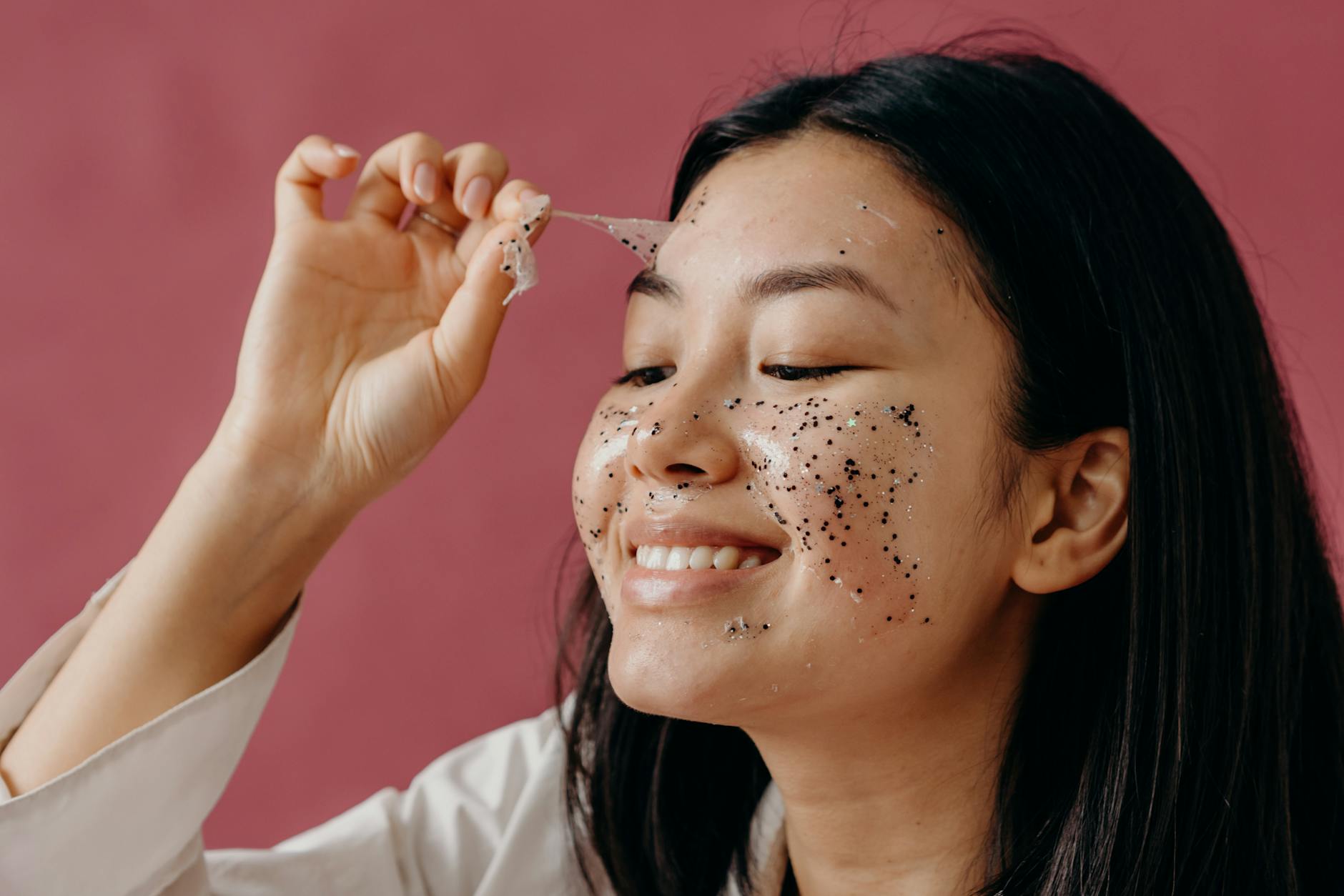
Exfoliation helps fade hyperpigmentation because it physically and chemically removes the outermost layers of skin that contain excess melanin and damaged…
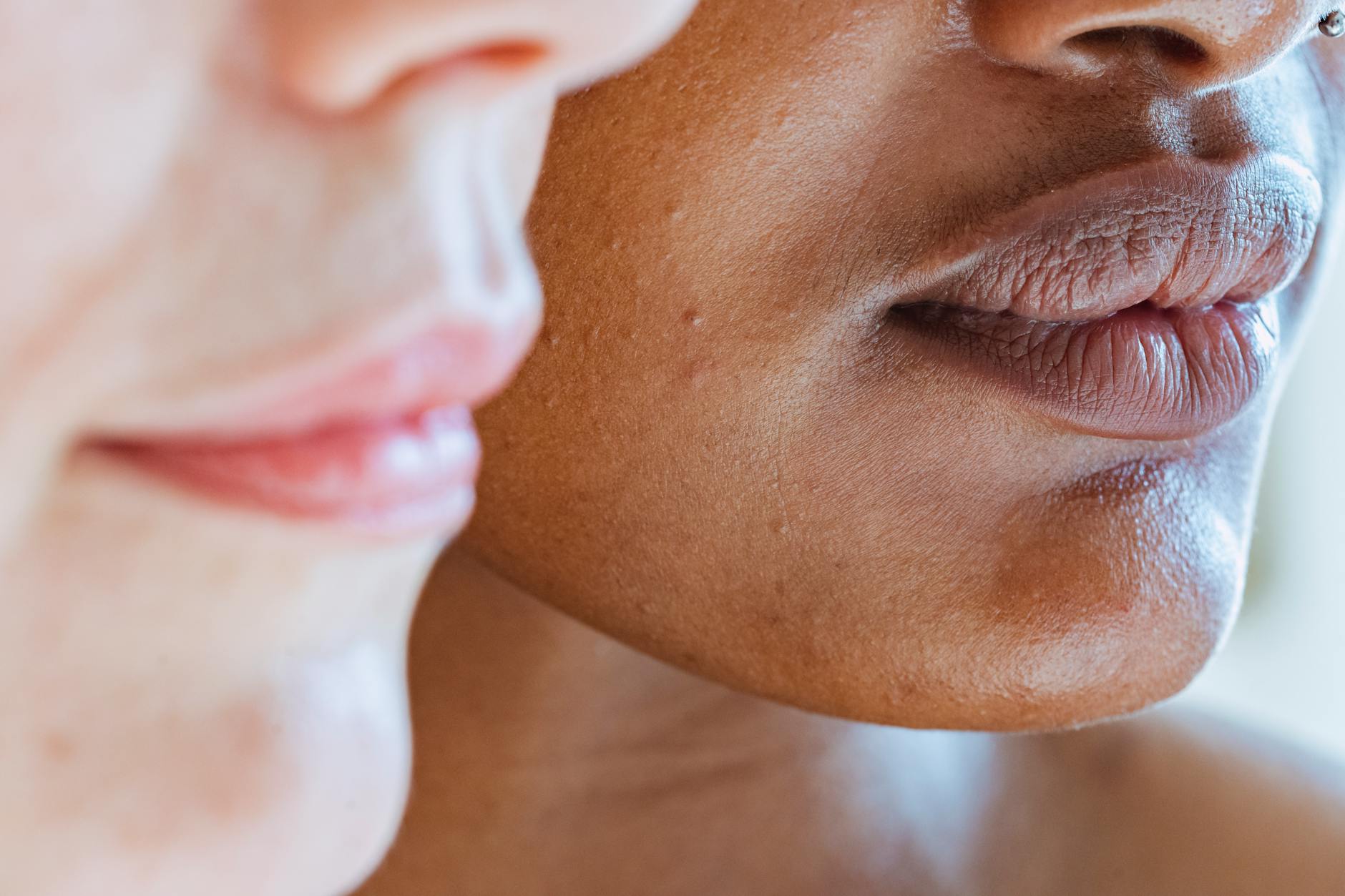
Dark marks don’t require harsh bleaching agents or aggressive treatments to fade. The most effective approach uses gentle, science-backed ingredients like…

Hyperpigmentation—those dark patches and uneven spots on the skin—occurs more frequently in people with deeper skin tones because they naturally produce…
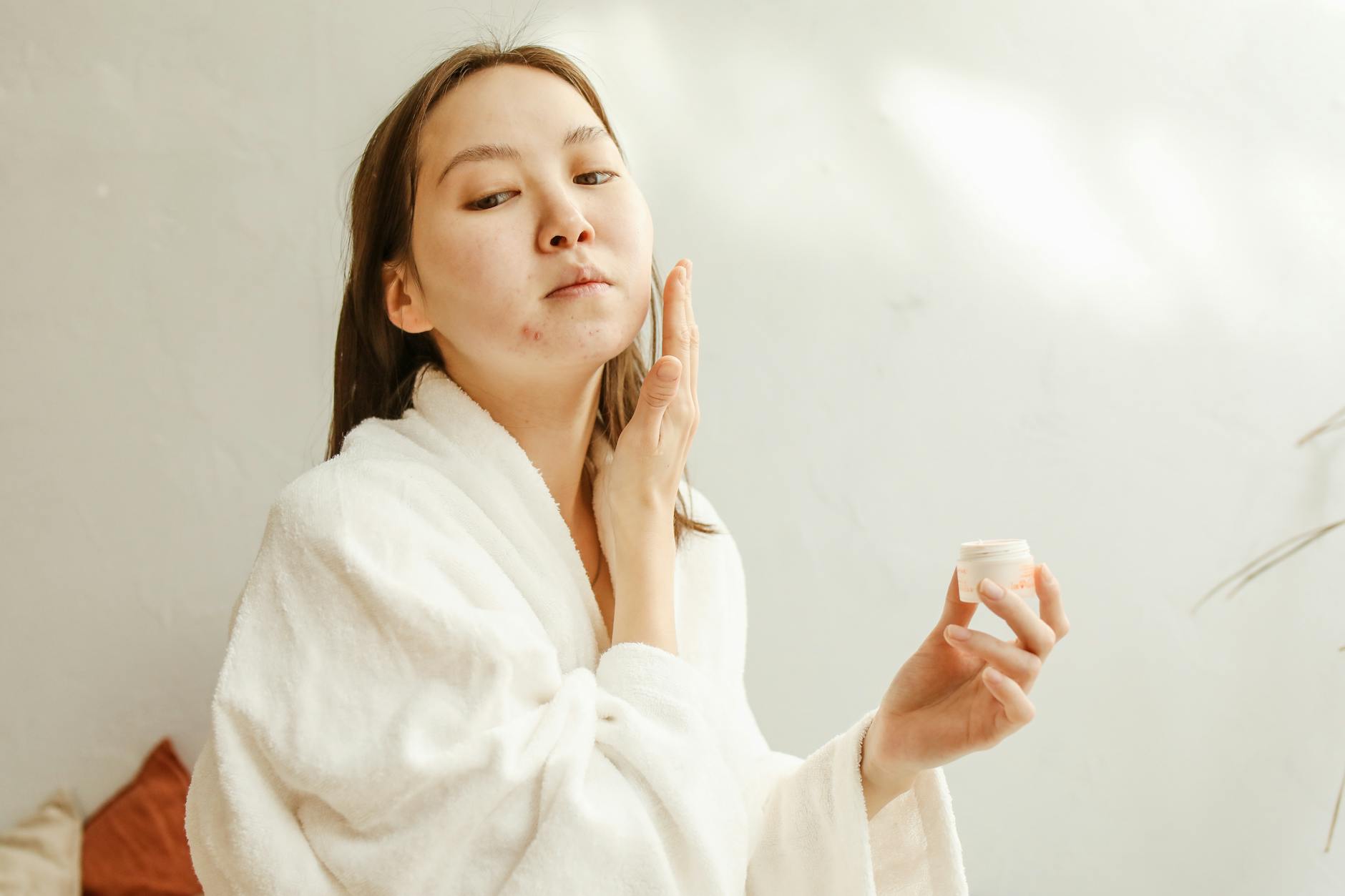
Using acne treatments too frequently doesn’t clear skin faster—it causes dryness, irritation, peeling, and redness instead.

Balancing active treatments with barrier repair requires one fundamental strategy: temporarily pause or significantly reduce the active ingredients you’re…

When you combine too many redness treatments at once, you risk damaging your skin barrier, reducing the effectiveness of active ingredients, and…