
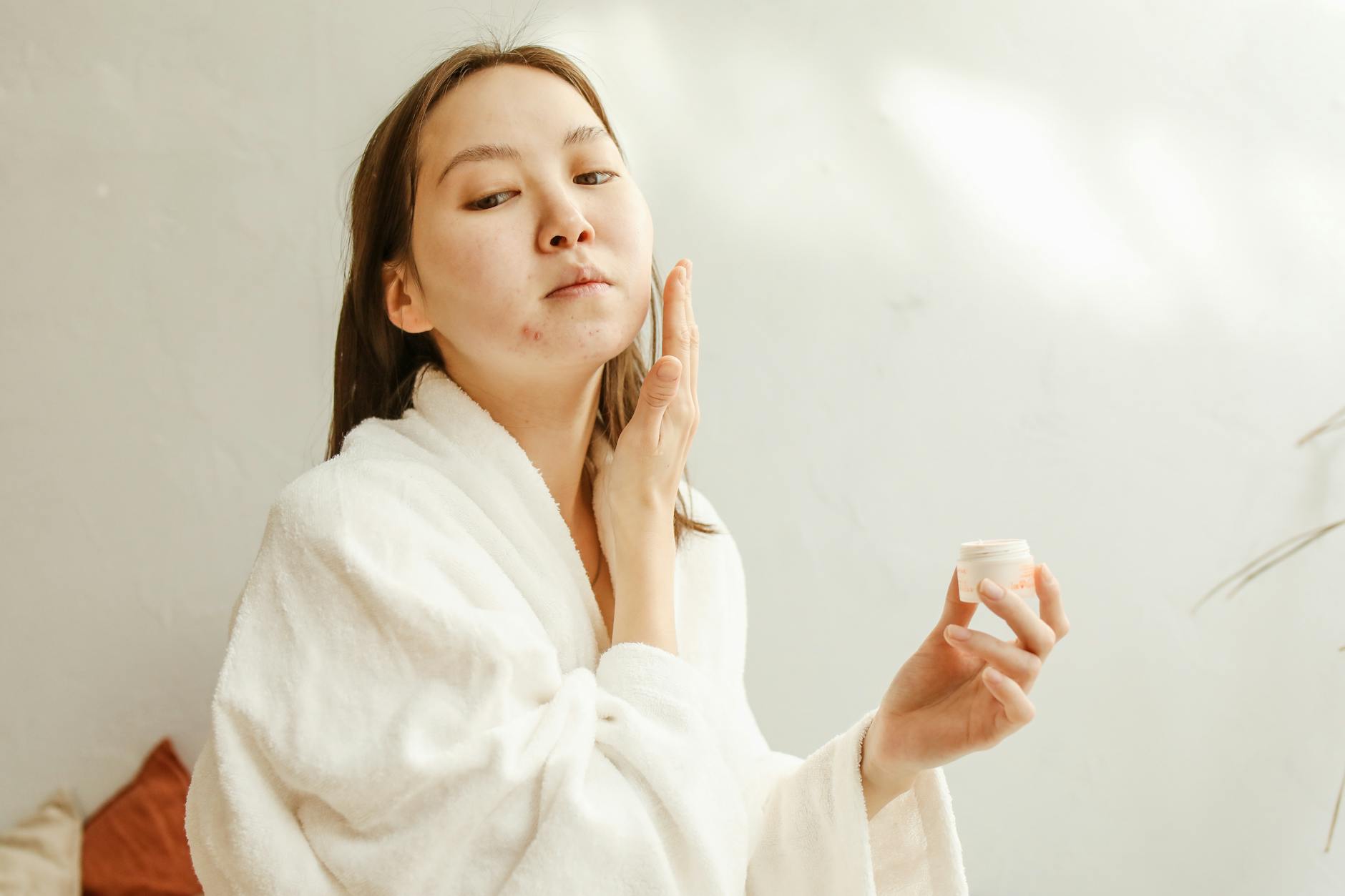
Using acne treatments too frequently doesn’t clear skin faster—it causes dryness, irritation, peeling, and redness instead. More application means more side effects, not better results. For example, someone using benzoyl peroxide twice daily is significantly more likely to experience scaling and stinging within weeks compared to someone using it once daily, often leading them to quit treatment altogether. This article covers what happens when you overuse topical acne treatments, the risks of long-term oral antibiotics, how your skin barrier breaks down with frequent application, and how long it actually takes to see results without overdoing it.
The core problem is that acne treatments are designed to work on a schedule. They build up in your system and continue working between applications. Adding more doesn’t accelerate the process—it only amplifies side effects while your skin struggles to tolerate the irritation. Understanding why moderation matters and what damage overuse can cause is essential to treating acne effectively without harming your skin in the process.
Table of Contents
- Why More Frequent Application Leads to Worse Side Effects
- Antibiotic Overuse and the Growing Problem of Drug Resistance
- Benzoyl Peroxide and Retinoid Overuse—A Dangerous Combination
- How Long You Should Actually Use a Single Treatment Before Expecting Results
- Skin Barrier Damage and the Overuse Trap
- Recovery Timeline and What to Expect
- Building a Sustainable Acne Treatment Routine
- Conclusion
Why More Frequent Application Leads to Worse Side Effects
The most common side effects from topical acne treatments—dryness, irritation, redness, peeling, and stinging—appear rapidly when you increase application frequency. Benzoyl peroxide and salicylic acid are both effective at removing dead skin cells and bacteria, but they’re also potent irritants. Twice-daily users report significantly higher side effect rates leading to treatment discontinuation compared to once-daily or every-other-night users. The difference isn’t subtle: moving from once daily to twice daily can triple irritation severity within a week or two.
Your skin can only tolerate so much chemical exfoliation and disruption before it becomes inflamed. When you apply treatment too frequently, the active ingredients don’t have time to work and be neutralized before the next application hits. This creates a cumulative irritation that makes your skin feel raw, look flaky, and actually become more prone to breakouts as the barrier weakens. Many people interpret this reaction as “the treatment isn’t working” and switch products, which starts the irritation cycle all over again with a different active ingredient.

Antibiotic Overuse and the Growing Problem of Drug Resistance
Oral antibiotics for acne present a different but equally serious overuse problem. When taken too frequently or for too long, they don’t just fail to help acne—they create drug-resistant bacteria that colonize your skin and gut. Patients averaged 331 days on antibiotics for acne, with over one-third staying on them for a year or longer. Severe acne patients averaged 11 months on their initial antibiotic before dermatologists even recognized it wasn’t working anymore, representing a significant period of unnecessary exposure. The side effect profile is concerning even at standard doses.
Tetracycline-class antibiotics (like doxycycline) cause nausea or vomiting in 7% of users, dizziness and headaches in 2%, and increase photosensitivity requiring constant sunscreen reapplication. Macrolide antibiotics produce nausea in 4% of users, while clindamycin is slightly gentler at 2%. However, the bigger long-term risk is antibiotic resistance. Sixty-four percent of people surveyed were unaware that topical antibiotic overuse could make them carriers of drug-resistant bacteria, including MRSA. Once you’re colonized, you can spread resistant bacteria to others and face treatment failure if you ever need antibiotics for a serious infection. This is why dermatologists increasingly recommend limiting antibiotic courses to 3-4 months maximum and always pairing them with benzoyl peroxide to reduce resistance risk.
Benzoyl Peroxide and Retinoid Overuse—A Dangerous Combination
Benzoyl peroxide and retinoids are two of the most effective acne-fighting ingredients, but they’re also two of the most drying when overused. Up to 30% of users experience significant dryness and peeling when applying either product too frequently, and this rate climbs when people combine them daily. Benzoyl peroxide alone increases your skin’s photosensitivity by 30 to 50%, meaning your skin burns faster and more severely. If you’re using it twice daily, you need SPF 30+ sunscreen reapplied every two hours—a standard most people can’t maintain, leading to sun damage that makes acne scars and hyperpigmentation worse. Retinoids compound the problem.
Both benzoyl peroxide and retinoids work by increasing cell turnover, which means your skin is shedding faster and becoming more vulnerable. Combining them daily, especially at higher concentrations, can strip your skin barrier so severely that it becomes inflamed rather than improved. The skin barrier is your first line of defense against bacteria, irritants, and moisture loss. Once it’s damaged from overuse, your skin becomes hypersensitive to everything—even gentle moisturizers can sting. Recovery from severe barrier damage can take weeks to months, during which acne often worsens because your skin is too irritated to tolerate any treatment.
How Long You Should Actually Use a Single Treatment Before Expecting Results
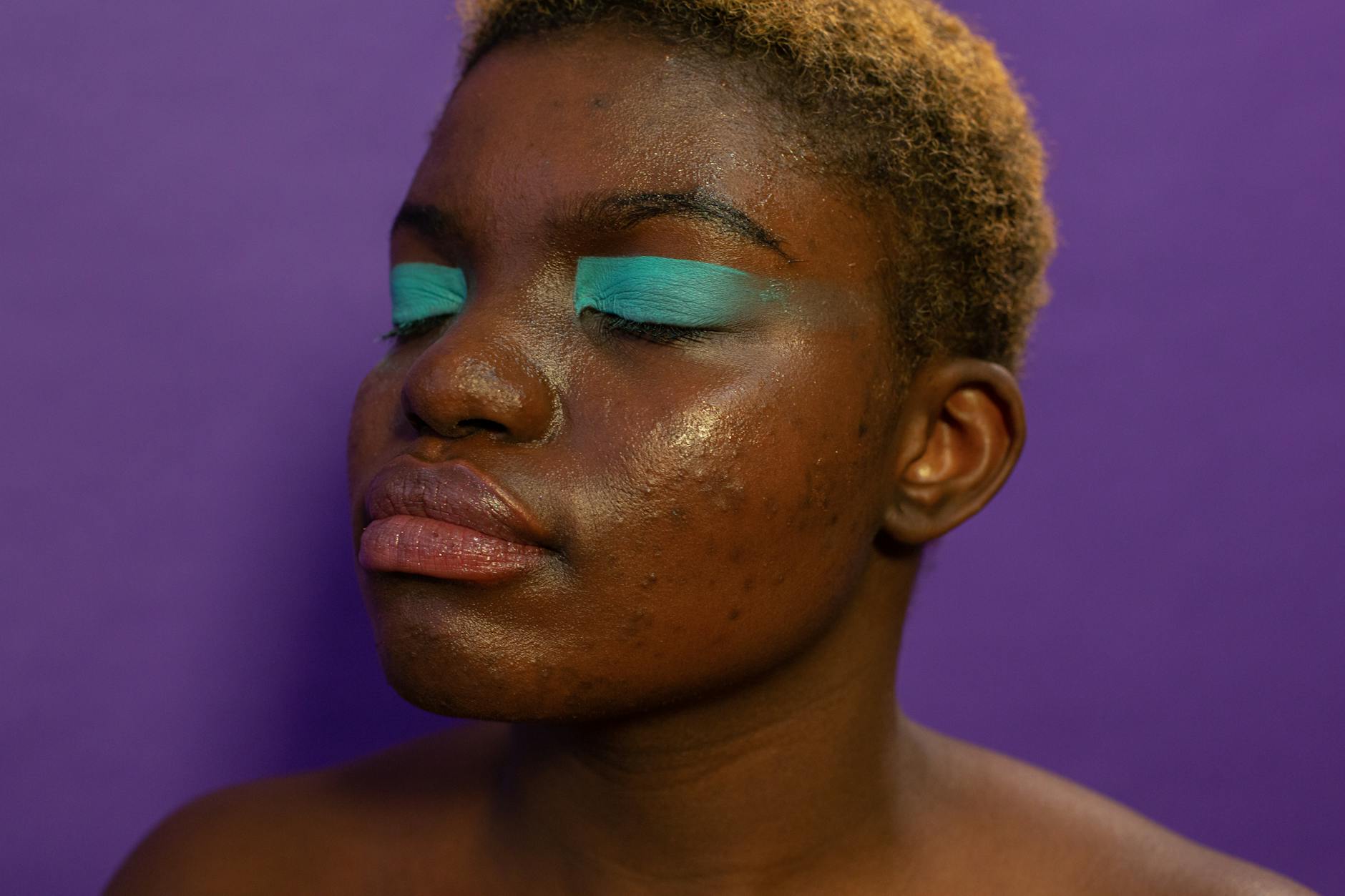
Dermatologists recommend using a single acne treatment consistently for 6 to 8 weeks before evaluating whether it’s working. This isn’t arbitrary—it’s based on how skin cell turnover works. Your skin completely renews itself roughly every 28 days, so a treatment needs two to three full cycles to demonstrate its full effect. Many people start a product, see no improvement after two weeks, and switch to something else.
This constant switching prevents any product from working and causes repeated irritation as your skin adapts to different active ingredients. The exception is if a treatment causes severe allergic reactions or unbearable irritation within the first few days—that’s your signal to stop. But mild peeling and dryness in week one or two are normal and expected as your skin adjusts. By week three or four, if you’re using the treatment correctly (once or twice daily as directed), your skin should be stabilizing and showing early signs of improvement. Impatience costs more than the products themselves—it costs you clear skin by preventing treatments from actually working.
Skin Barrier Damage and the Overuse Trap
Your skin barrier—the outermost layer of dead skin cells and lipids—is your skin’s moisture seal and protective shield. Benzoyl peroxide and salicylic acid both disrupt this barrier by dissolving the lipids that hold cells together. When used appropriately, this controlled disruption helps shed clogged pores. When overused, it damages the barrier so badly that your skin can’t retain moisture, becomes inflamed, and develops “acne” that’s actually irritant dermatitis rather than bacterial acne. Once your barrier is damaged, a vicious cycle begins.
Your skin feels dry, so you use less moisturizer thinking it will reduce greasiness. Your skin becomes more irritated, so you use stronger treatments more frequently. Your barrier weakens further, causing more redness and sensitivity. The only way out is to stop the acne treatment entirely for a week or two, use only gentle cleanser and rich moisturizer, and let your barrier repair itself. This is frustrating because you feel like you’re not treating acne during recovery, but attempting to treat acne with a compromised barrier only extends the damage. Prevention—using the lowest effective frequency and concentration from the start—is far easier than recovery.
Recovery Timeline and What to Expect
Most side effects from acne treatment overuse are temporary and improve within 1 to 2 weeks after you stop or reduce application frequency. Dryness, peeling, and redness typically settle down quickly once the irritant is removed or reduced. Your skin barrier can repair itself within days to weeks if given proper support with moisturizer and sun protection. Permanent damage from overuse is rare, provided you catch the problem before it escalates into severe barrier damage and dermatitis.
However, recovery speed depends on how long you overused the treatment. If you’ve been using benzoyl peroxide twice daily for two weeks, you’ll recover faster than someone who’s been doing it for three months. After stopping, expect another two to four weeks before your skin is truly back to normal and you can attempt treatment again at a more appropriate frequency. During recovery, focus on hydration and barrier repair rather than treating acne—your skin’s ability to heal is more important than fighting acne temporarily.
Building a Sustainable Acne Treatment Routine
The most successful acne treatment isn’t the strongest one—it’s the one you can use consistently without side effects. This means finding the lowest frequency and concentration that works for your acne. For many people, this is benzoyl peroxide 2.5% once daily or every other night, not 5% twice daily. It’s a retinoid three times weekly, not daily. It’s one oral antibiotic course lasting three to four months, not a year-long stint.
Dermatologists increasingly emphasize customization based on your individual tolerance rather than the marketed “recommended use” on packaging. Your skin is telling you what frequency works through how it responds. If you’re dry and irritated after two weeks, you’re using it too often. If you’re not seeing improvement after eight weeks at a gentler frequency, that’s when you increase—not before. Building a sustainable routine means accepting that acne treatment is a marathon where results come slowly but steadily, not a sprint where maximum effort brings maximum results.
Conclusion
Using acne treatments too frequently is one of the most common mistakes in at-home acne care, and it consistently backfires. Increased application leads to dryness, irritation, barrier damage, and eventual treatment failure—not clearer skin. The research is clear: twice-daily users report higher side effect rates, six to eight weeks is the minimum to evaluate a treatment’s effectiveness, and long-term antibiotic overuse creates drug-resistant bacteria that pose real health risks. Benzoyl peroxide and retinoids are powerful tools, but they require respect and restraint.
Your next step is to honestly assess your current routine. Are you using treatments at the recommended frequency or more? Are you experiencing dryness, peeling, or redness that suggests overuse? If so, reduce frequency to once daily or every other night for two weeks and observe how your skin responds. If your current treatment isn’t working after eight consistent weeks at an appropriate frequency, then it’s time to switch or consult a dermatologist. Patience and consistency beat intensity every time with acne.