
Why Some Treatments Make Redness Worse Before It Improves

When you start a strong acne treatment like tretinoin or benzoyl peroxide, your skin often gets worse before it gets better—and there’s a scientific…
When you start a strong acne treatment like tretinoin or benzoyl peroxide, your skin often gets worse before it gets better—and there’s a scientific…

Red acne marks and pigmentation marks are fundamentally different in both their cause and how they resolve.

Your skin breaks out after travel or when moving to a new climate because your body is experiencing multiple simultaneous stressors—temperature changes,…

When your skin becomes resistant to acne treatments, it means the bacteria causing breakouts—particularly *Cutibacterium acnes*—has adapted to survive the…

Overusing acne treatments damages your skin barrier by stripping away its protective lipid layer, increasing water loss, and compromising the microbiome…
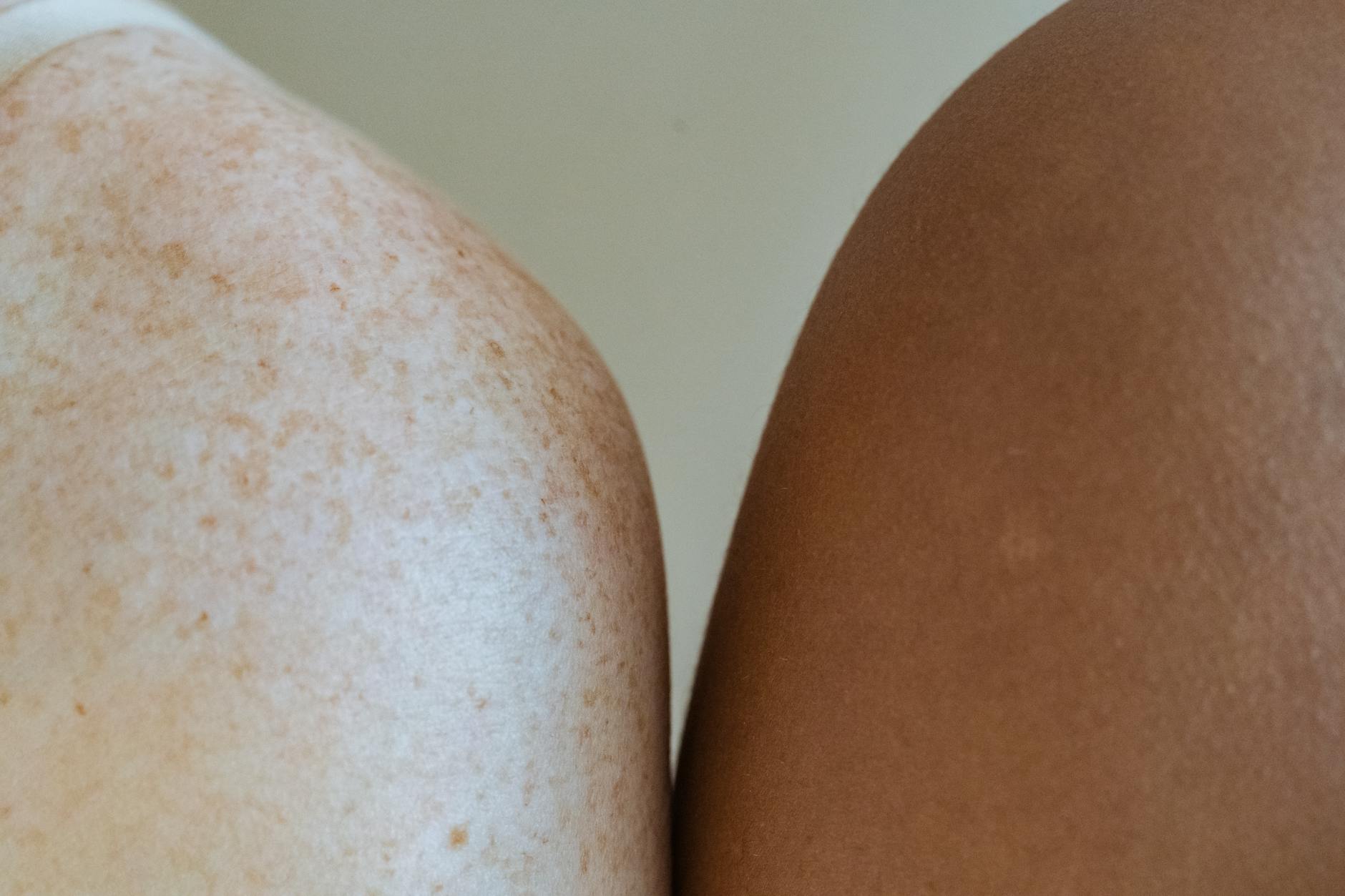
Post-inflammatory erythema and hyperpigmentation are two fundamentally different skin conditions that both appear as marks after acne or skin…

Cetaphil shows up on nearly every dermatologist’s shortlist for acne-prone skin because it cleans without stripping.

When the FDA approved Differin Gel for over-the-counter sale in July 2016, it fundamentally dismantled a two-decade-old barrier between the most effective…

Severe acne scar treatment is a multi-year process because the skin’s own biology cannot be rushed.

Realistic acne scar treatment goals look like 50 to 70 percent improvement in scar appearance over a series of sessions, not the flawless skin that…