
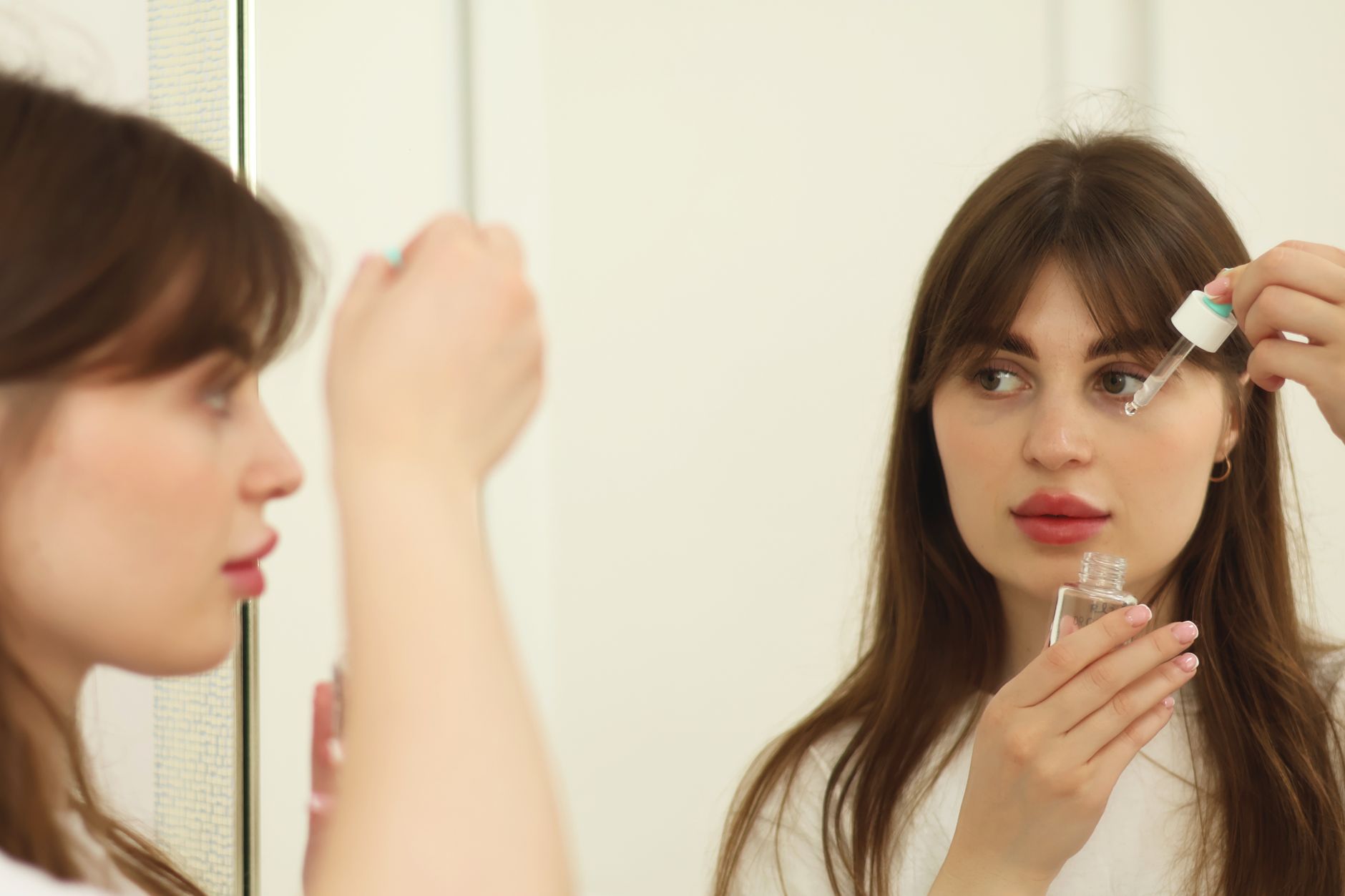
Yes, niacinamide and benzoyl peroxide can be used in the same routine. Niacinamide, a form of vitamin B3 that supports hydration, pairs well with benzoyl peroxide, a treatment that kills acne bacteria but tends to dry skin. Dermatology sources describe them as complementary rather than conflicting. Niacinamide helps support the skin barrier while benzoyl peroxide targets breakouts, which can make the combination easier to tolerate than benzoyl peroxide alone, according to Cosmetify in its niacinamide and benzoyl peroxide guide.
Medical information disclaimer: This article is for general educational purposes only and does not provide medical advice, diagnosis, or treatment. Always consult a physician or other qualified health professional about symptoms, medications, tests, or treatment decisions.
Table of Contents
- Why the combination makes sense
- What the acne trial showed
- How should you layer them?
- Who needs extra care?
Why the combination makes sense
Benzoyl peroxide works against acne bacteria and excess oil. That action often brings dryness, redness, and peeling. Niacinamide adds hydration and barrier support without feeding acne bacteria.
That balance matters for daily use. A less dry barrier flakes less, stings less, and handles continued acne treatment better. People with oily or combination skin may notice less tightness after application.
What the acne trial showed
A 2021 split-face trial followed 40 adults with mild-to-moderate facial acne for 12 weeks. One side received 2.5 percent benzoyl peroxide plus 5 percent niacinamide, and researchers measured fewer lesions and less sebum than at baseline, as reported by the Journal of Clinical and Aesthetic Dermatology in its 12-week acne combination study. The benefit was strongest for clogged pores and blackheads.
The niacinamide side reduced noninflammatory lesions significantly more than benzoyl peroxide with plain cream base, while red pimples improved about equally on both sides, according to the same trial record archived in its full trial report. Niacinamide also helped limit dark marks after breakouts. Hyperpigmentation scores rose on the benzoyl-peroxide-only side but stayed stable on the niacinamide side, with no serious irritation reported.
How should you layer them?
Do not mix the two products in one layer. Older formulation guidance warned that benzoyl peroxide could oxidize or weaken niacinamide, so many guides advise applying niacinamide first and letting it absorb before benzoyl peroxide.
A simple routine keeps exposure controlled and predictable: Many people split them by time of day instead. Use benzoyl peroxide at night and niacinamide in the morning, or use a benzoyl peroxide cleanser followed by a niacinamide moisturizer.
- cleanse gently and pat skin dry
- apply niacinamide serum, let it absorb for one to two minutes
- apply a thin benzoyl peroxide layer only where needed
- finish with moisturizer, plus sunscreen in the morning
Who needs extra care?
Start slowly if your skin burns, peels, or turns red easily. Use lower benzoyl peroxide strength, apply it every other night, and stop use on broken or eczema-prone areas. Watch for flushing, itching, peeling, or new painful redness.
Niacinamide is most stable near neutral pH and can convert to irritating nicotinic acid under acidic or strongly oxidizing conditions. A short patch test along the jawline for several nights can reveal sensitivity before full-face use. Benzoyl peroxide also bleaches towels, sheets, and colored clothing. Wash hands after applying a leave-on product, let it dry before bed, and use white pillowcases during breakouts, as Neutrogena advises in its benzoyl peroxide safety guide.