
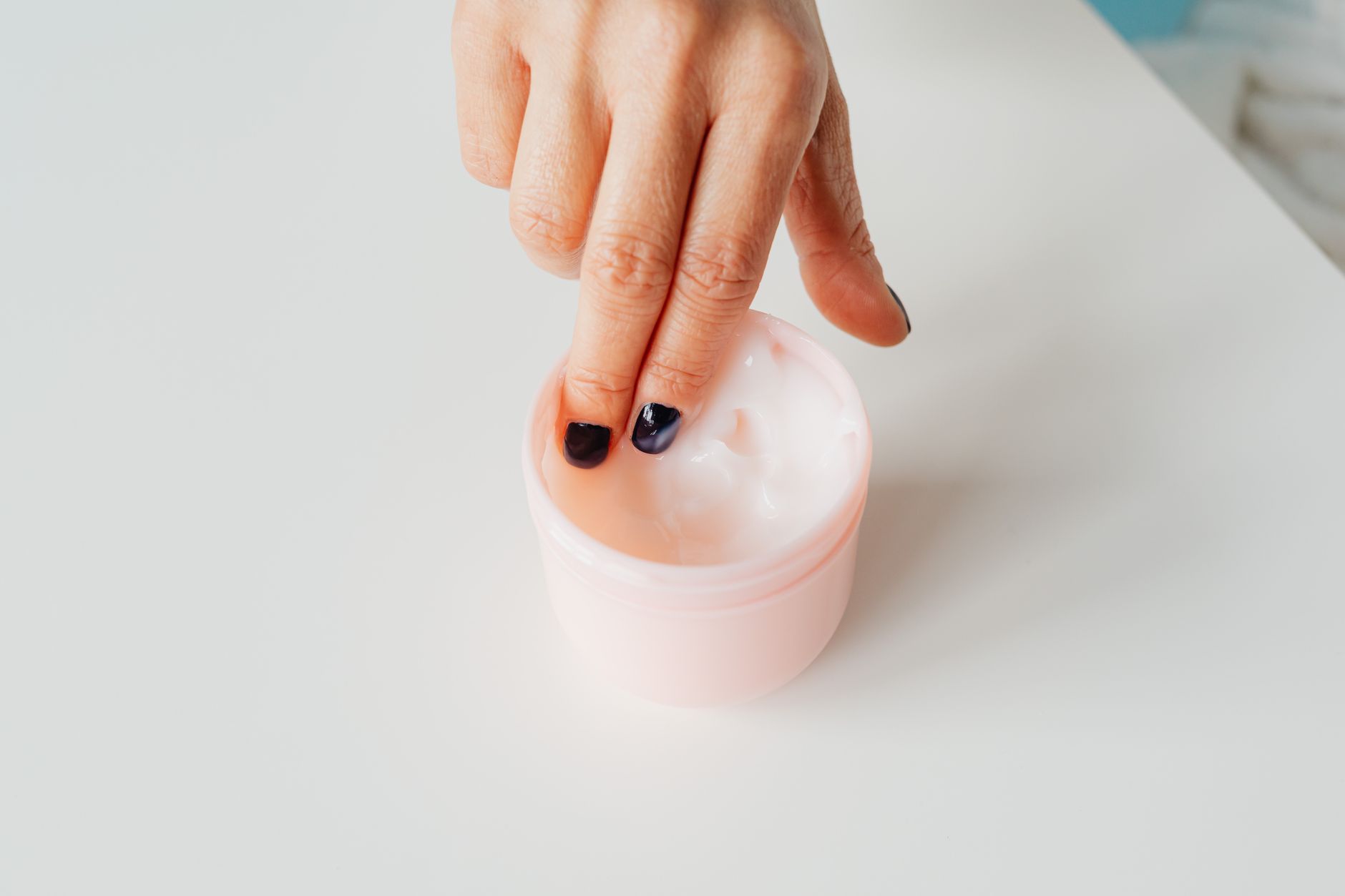
Ceramide moisturizers help acne-prone skin by supporting the skin barrier. Ceramides themselves do not clog pores, although a heavy formula can trap oil.
Ceramides are lipids that seal moisture in skin. Cleveland Clinic describes them as grout that holds skin cells together and maintains the protective barrier, in Cleveland Clinic's ceramide overview. Acne-affected skin often shows lower levels of specific ceramides and higher water loss.
Medical information disclaimer: This article is for general educational purposes only and does not provide medical advice, diagnosis, or treatment. Always consult a physician or other qualified health professional about symptoms, medications, tests, or treatment decisions.
Table of Contents
- Why barrier support matters for breakouts
- Do ceramides clog pores?
- How to pick a light formula
- How to use it with acne treatment
Why barrier support matters for breakouts
Acne-prone skin often has an impaired barrier. A Cosmoderma review links lower Cer[NH] and Cer[AH] types to higher water loss compared with healthy skin.
A weaker barrier loses water faster and reacts more to treatment. That dryness and irritation can make people stop benzoyl peroxide, retinoids, or other drying topicals early.
Do ceramides clog pores?
No, ceramides themselves do not clog pores. Board-certified dermatologist Dr.
Nazanin Saedi advises oily or acne-prone people to choose lighter, noncomedogenic ceramide formulas, according to Byrdie's dermatologist guidance. Risk comes from the whole product, not the ceramide. Heavy occlusives, oils, fragrance, or thick layering can trap oil and worsen congestion.
How to pick a light formula
Look for oil-free, noncomedogenic gels or light lotions. Choose fragrance-free and dye-free options if skin reacts easily. Use this quick check before buying:.
- label says noncomedogenic and oil-free
- texture is gel or light lotion, not thick balm
- fragrance-free and dye-free for sensitive skin
- ceramides listed with cholesterol or fatty acids for barrier support
How to use it with acne treatment
Dermatologists recommend moisturizer alongside treatments that dry skin, including benzoyl peroxide, retinoids, alcohol-based topicals, and isotretinoin. The goal is less dryness and better continued use. A 28-day study in adults with oily or acne-prone skin found a cleanser with salicylic acid, gluconolactone, and ceramides improved barrier integrity, hydration, sebum, and lesions, reported by U.S.
Pharmacist in U.S. Pharmacist's report on the 28-day study. Apply a lightweight ceramide moisturizer daily, then add treatment as directed. If pores clog, switch to a thinner layer or gel.