
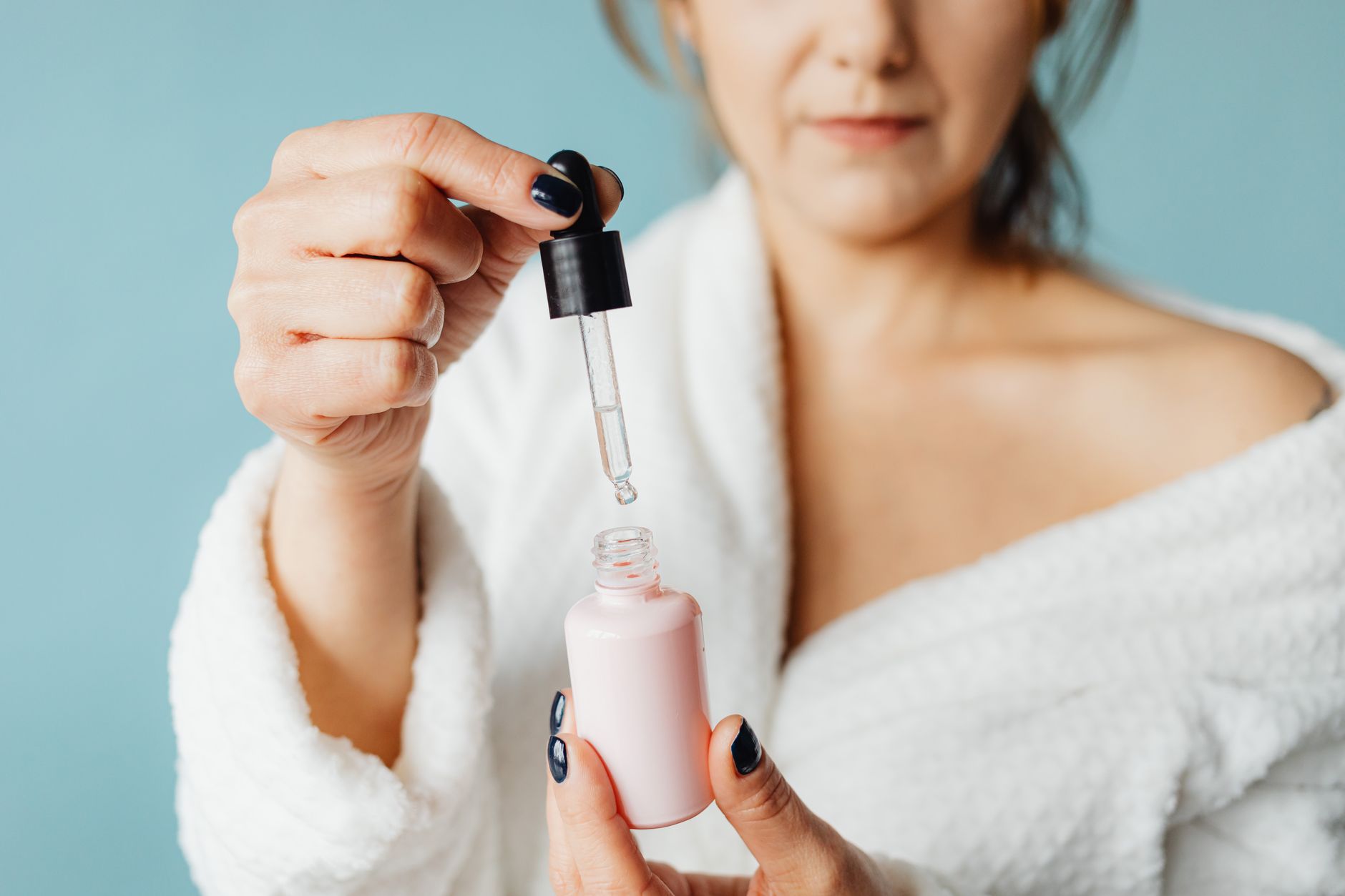
Yes, niacinamide can fade acne dark spots on its own. Niacinamide, a form of vitamin B3, targets post-inflammatory hyperpigmentation, the dark marks left after acne injury or inflammation. L'Oréal Paris explains that it slows transfer of melanin pigment to surface skin cells rather than bleaching skin, according to L'Oréal Paris on niacinamide and hyperpigmentation. That action gradually evens tone while leaving normal skin color intact.
Medical information disclaimer: This article is for general educational purposes only and does not provide medical advice, diagnosis, or treatment. Always consult a physician or other qualified health professional about symptoms, medications, tests, or treatment decisions.
Table of Contents
- How does niacinamide fade dark marks?
- What does clinical research show?
- Why do some spots fade slowly?
- How should you use it for best results?
How does niacinamide fade dark marks?
Niacinamide interrupts the delivery route for pigment. Surface cells receive less melanin, so existing spots look lighter over time. The surrounding skin does not get bleached white.
A Cosmoderma literature review reports the same transfer-blocking effect. It also links niacinamide to stronger ceramides, better barrier function, and less inflammation. Those effects matter because acne spots start with inflammation.
What does clinical research show?
In a 12-week double-blind split-face trial in 50 women aged 40-60, twice-daily 5% niacinamide moisturizer significantly reduced hyperpigmented spots, red blotchiness, wrinkles, and sallowness versus vehicle, according to Practical Dermatology on niacinamide as a cosmeceutical. The treatment was well tolerated.
A randomized double-blind trial in 24 women found depigmenting activity from 4% niacinamide, reported by Clinical, Cosmetic and Investigational Dermatology. Cleveland Clinic also describes 5% formulas as helpful for lightening dark spots while calming irritation and supporting the barrier. Results build over weeks, not days.
Why do some spots fade slowly?
Acne marks are temporary, but depth and skin type change the timeline. DermNet NZ says these marks are more common, intense, and persistent in darker skin types, according to DermNet NZ on postinflammatory hyperpigmentation. Deeper or longer-lasting pigment often needs more time.
Sun exposure is the main setback. Ultraviolet light darkens existing marks and reverses brightening progress. Daily broad-spectrum SPF 30 to SPF 50 is therefore essential during treatment.
How should you use it for best results?
Use a 4% to 5% formula once or twice daily, as studied. Apply it to clean, dry skin and keep the routine steady for several weeks.
Control active breakouts at the same time, since new inflammation creates new marks. See a board-certified dermatologist if pigmentation spreads, darkens, or does not respond. Stubborn melasma or deeper dermal pigment often needs combination therapy.
- Wear broad-spectrum SPF 30 or higher every morning
- Reapply sunscreen during extended sun exposure
- Avoid picking or harsh scrubs on healing acne
- Keep using niacinamide consistently before judging results