
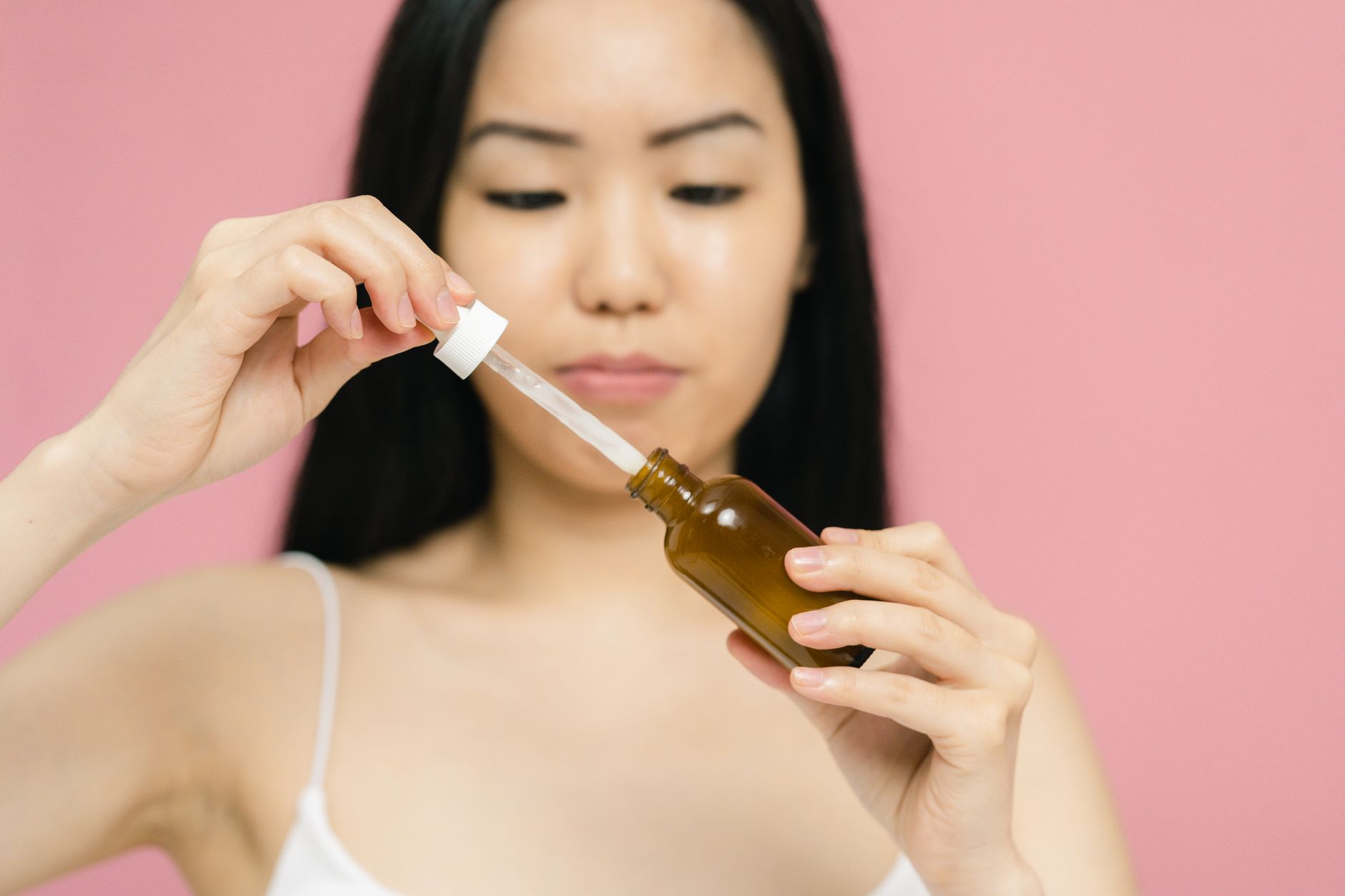
Niacinamide helps acne breakouts by strengthening the skin barrier, reducing excess oil, and calming inflammation. Niacinamide, also called nicotinamide, is a form of vitamin B3 used in topical skincare.
That combination matters for acne-prone skin. A stronger barrier holds moisture and supports healing. Less oil means fewer clogged pores and less shine.
Medical information disclaimer: This article is for general educational purposes only and does not provide medical advice, diagnosis, or treatment. Always consult a physician or other qualified health professional about symptoms, medications, tests, or treatment decisions.
Table of Contents
- Why a stronger barrier helps breakouts heal?
- Does it reduce oil and clogged pores?
- Can it calm redness and inflammatory acne?
- How should you use it?
Why a stronger barrier helps breakouts heal?
Niacinamide stabilizes the skin's outer barrier, reducing water loss and improving moisture needed for healing acne-prone skin. Hydrated skin tolerates acne treatments better and flakes less. It also cracks less, which lowers entry points for irritation.
The effect goes deeper than surface moisture. Niacinamide supports keratin and ceramides and speeds keratinocyte maturation. It also raises cellular NADP, which fuels energy, antioxidant defense, and DNA repair.
Does it reduce oil and clogged pores?
Niacinamide helps limit clogged pores and shine by regulating facial sebum production. Prior controlled work found 2% niacinamide significantly lowered sebum excretion and pore size over 4 weeks, as summarized by Practical Dermatology reporting on Draelos and colleagues in the 2006 sebum study summary. Smaller-looking pores often reflect less oil and debris inside them.
Fewer clogs means fewer blackheads and whiteheads. Those noninflammatory lesions respond especially well when niacinamide joins benzoyl peroxide. A 12-week split-face trial in adults with mild-to-moderate acne found 2.5% benzoyl peroxide plus 5% niacinamide cut lesion counts and casual sebum from baseline and beat benzoyl peroxide alone for noninflammatory lesions, according to the Journal of Clinical and Aesthetic Dermatology in the combination treatment report.
Can it calm redness and inflammatory acne?
Niacinamide calms acne-related redness and blotchiness through anti-inflammatory activity. A 12-week trial found 5% niacinamide moisturizer improved red blotchiness plus texture, tone, and fine lines. Less redness makes active breakouts look smaller and less angry.
For inflammatory acne, results can match a common antibiotic. According to Dermatology Times, an International Journal of Dermatology randomized trial found 4% nicotinamide gel matched 1% clindamycin gel for moderate inflammatory acne, with both reducing severity and no significant difference between them in the pharmacist counseling review. That option may add oil control without antibiotic-resistance risk.
How should you use it?
Niacinamide is sold in serums, cleansers, eye creams, and moisturizers, commonly at 2%-5% in studies. It works best as an adjunct, not as a solo cure for severe acne.
Start with one leave-on product to judge tolerance. The same benzoyl peroxide plus niacinamide combination did not beat benzoyl peroxide alone for inflammatory lesions, post-acne redness, or pigmentation. Severe or scarring acne still needs clinician-directed therapy.
- Pick a 2%-5% serum or moisturizer for daily use
- Apply to clean, slightly damp skin, then moisturize
- Pair with benzoyl peroxide for stubborn blackheads and whiteheads
- Stop layering acids and retinoids if stinging or peeling starts
- See a clinician for painful nodules, scarring, or dark marks that spread