
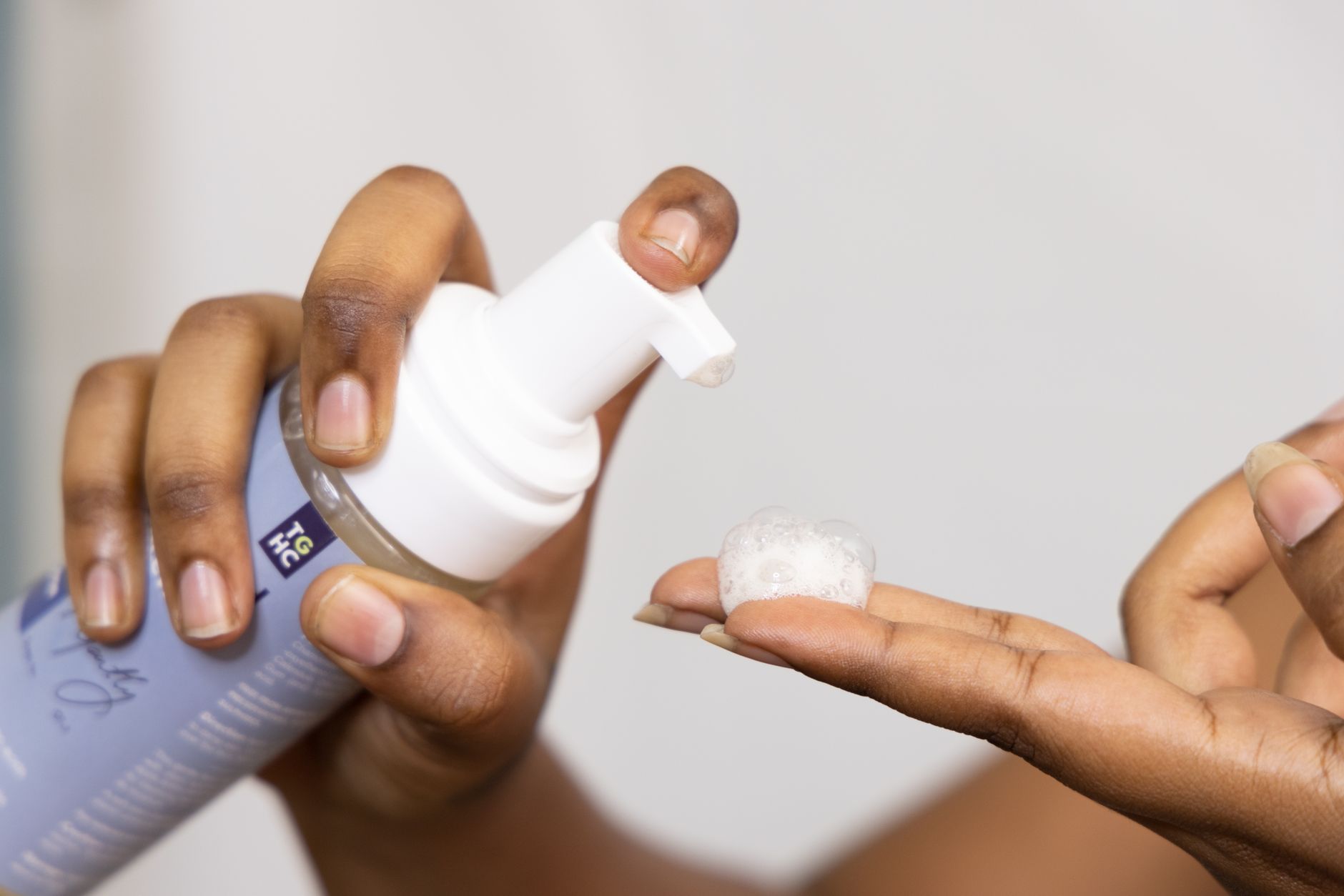
No. A foam cleanser cannot fully replace exfoliation for acne-prone skin, but a salicylic acid foam can reduce how often you need a separate exfoliant.
Exfoliation means shedding dead cells from the skin surface to help keep pores clear. A daily foam wash removes oil, sweat, and debris. A separate exfoliant works longer on clogged pores than a brief wash can.
Medical information disclaimer: This article is for general educational purposes only and does not provide medical advice, diagnosis, or treatment. Always consult a physician or other qualified health professional about symptoms, medications, tests, or treatment decisions.
Table of Contents
- What a salicylic acid foam does
- Why a wash exfoliates less than a leave-on
- How to pair cleansing and exfoliation
- When foam alone may be enough
What a salicylic acid foam does
Salicylic acid is an oil-soluble beta-hydroxy acid. It softens the outer skin layer and loosens pore plugs. That action makes it comedolytic and useful for acne vulgaris, according to the Tasleem Arif review. The American Academy of Dermatology advises washing acne-prone skin up to twice daily and after sweating with a gentle, non-abrasive, alcohol-free cleanser applied with fingertips, without scrubbing, in its acne skin-care guidance.
A salicylic acid foam fits that routine when it feels gentle. Use lukewarm water and light fingertip pressure. A 28-day study of 42 volunteers using an amino-acid cleanser with salicylic acid, glucuronolactone, and ceramides reported better moisture, texture, redness, barrier function, and acne indicators. The sample was small and short-term. Treat it as early support rather than lasting proof.
Why a wash exfoliates less than a leave-on
Rinse-off cleansers stay on skin about 30-60 seconds before rinsing, so they deliver less pore penetration than leave-on toners, serums, or pads and mainly provide mild surface exfoliation, according to the Castillo and Keri review in its review of superficial salicylic-acid peeling. That short contact sets the ceiling.
A Cleveland Clinic dermatology resident recommends a salicylic acid wash once daily for blackheads, yet advises exfoliating only a couple times weekly because over-exfoliation dries facial skin fast. Daily foam maintains clarity between treatments. It does not match a leave-on for stubborn plugs.
How to pair cleansing and exfoliation
The American Academy of Dermatology advises selecting exfoliation by skin type, using gentle chemical methods for sensitive or acne-prone skin and pausing when dryness, redness, stinging, or breakouts appear, in its guide to safely exfoliating at home. Start with the cleanser alone for one to two weeks. Add a leave-on only when pores still look clogged.
NIH DailyMed drug label warns that salicylic acid can cause redness, burning, itching, peeling, dryness, or swelling. Risk rises when combined with another topical acne drug. The label advises using one product, using it less often, or using it every other day.
- Wash once or twice daily, plus after heavy sweating.
- Add a leave-on salicylic product one or two nights weekly.
- Pause extra exfoliation for tightness, stinging, peeling, or spreading breakouts.
When foam alone may be enough
Foam alone may suit mildly oily skin with a few blackheads and no painful pimples. The 2024 American Academy of Dermatology acne guidelines strongly recommend benzoyl peroxide, topical retinoids, topical antibiotics, and oral doxycycline, while salicylic acid receives only a conditional recommendation based on low-certainty evidence.
Keep the foam and skip separate exfoliation when texture stays smooth and blackheads fade. Add a leave-on when pores stay clogged after three to four weeks of steady cleansing. Seek dermatology care for painful, spreading, or scarring acne.