
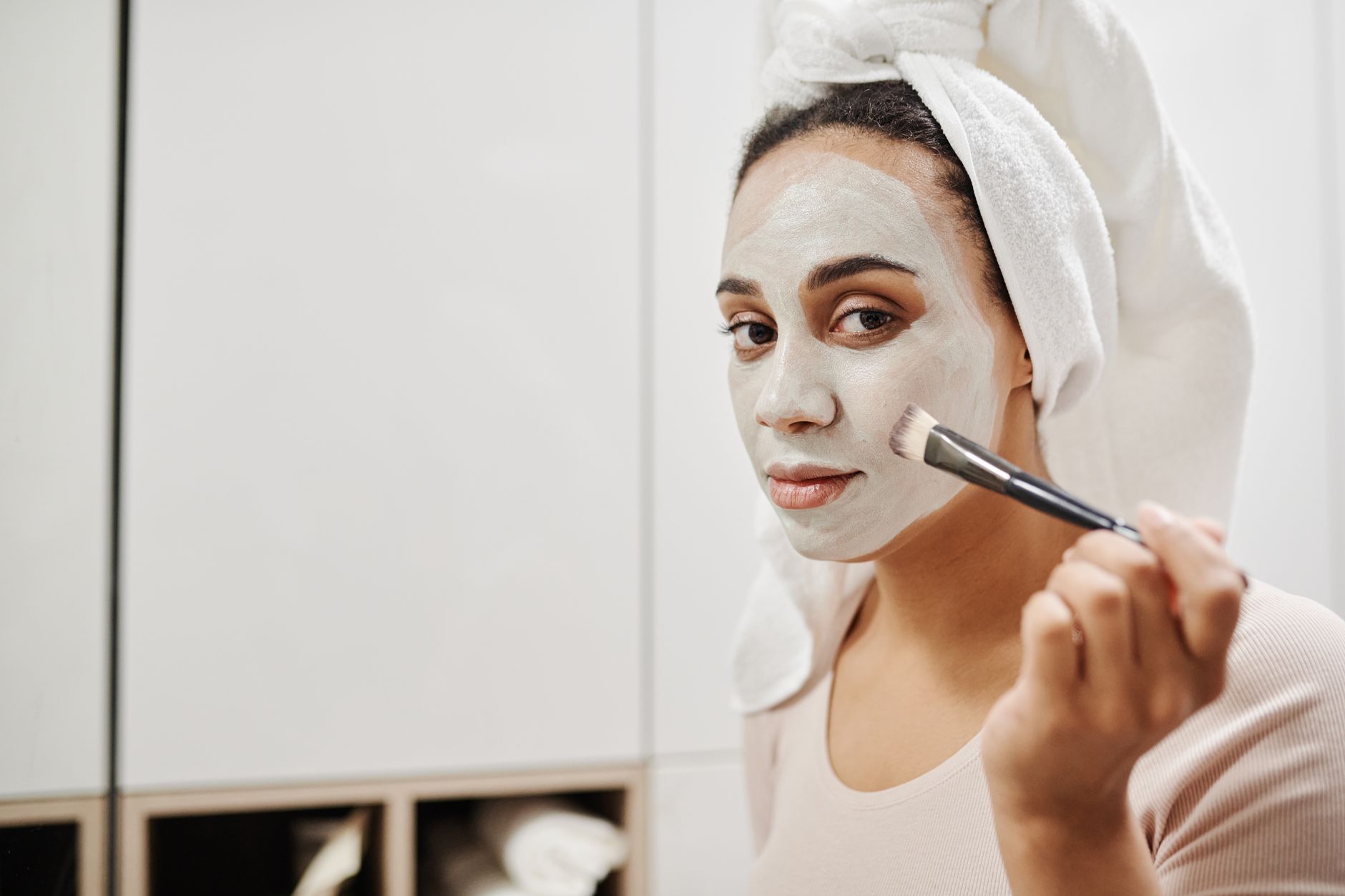
Yes, a clay mask is a gentle form of exfoliation for blemish-prone skin. Exfoliation means removing built-up dead skin cells to reveal healthy cells underneath. Clay clears surface buildup, excess oil, and pore debris. It does not scrub like beads or peel like strong acids.
Medical information disclaimer: This article is for general educational purposes only and does not provide medical advice, diagnosis, or treatment. Always consult a physician or other qualified health professional about symptoms, medications, tests, or treatment decisions.
Table of Contents
- How does clay exfoliate?
- What does it do for oily skin?
- Why combine clay with salicylic acid?
- How often should you use one?
How does clay exfoliate?
Cleveland Clinic describes two main types of exfoliation in Cleveland Clinic's guide to exfoliation. Mechanical methods physically remove dead cells. Chemical methods use acids to loosen them.
Sanova Dermatology quotes board-certified dermatologist Dr. Miriam Hanson saying masks can gently exfoliate, brighten, and deepen cleansing. They lift impurities and decongest pores. Bentonite clay also absorbs excess sebum and helps unclog pores, according to a peer-reviewed acne trial.
What does it do for oily skin?
A 2023 Skin Research and Technology trial tested a kaolin and bentonite mask twice weekly for four weeks. It enrolled 75 oily or combination-skin adults.
Results noted in the 2023 trial record included improved sebum, acne lesions, hydration, and barrier measures. Pore area did not enlarge during the study period. The benefit was surface balancing, not reshaping skin structure.
Why combine clay with salicylic acid?
Clay mainly absorbs surface oil and loosens debris. Salicylic acid works inside the pore itself. AcneFree quotes dermatologist Dr.
Hadley King explaining that salicylic acid is oil-soluble. That property lets it penetrate and clear pores. Some clay masks pair the two ingredients for blemish-prone skin.
How often should you use one?
For blemish-prone skin, infrequent use works best. Cleveland Clinic warns that excess exfoliation causes sensitivity or irritation. Dermatology guidance recommends masks only once or twice weekly.
SkinOptimizer notes clay masks only temporarily absorb surface oil and improve the look of pores. They do not permanently shrink pores, change oil-gland output, detox the body, or replace medical acne treatment. Keep each use gentle and simple:.
- Limit use to once or twice weekly
- Use light pressure and avoid scrubbing
- Follow with moisturizer to support comfort and hydration