
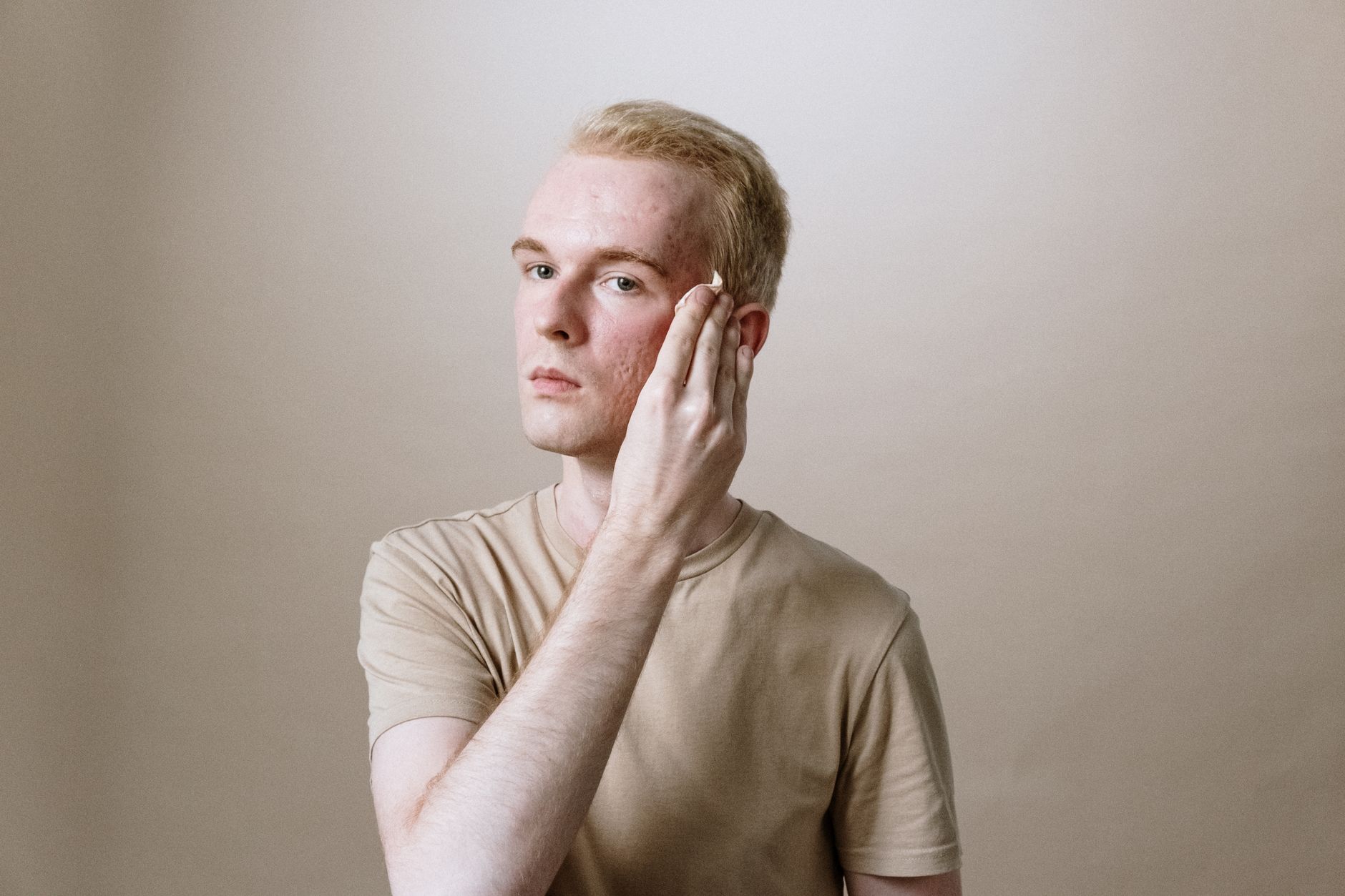
The best-supported adult acne treatments are topical retinoids, benzoyl peroxide, antibiotics, and combination therapy. Procedures have weaker evidence for active acne, while hormonal medicines and isotretinoin suit selected or severe cases. Topicals—medicines applied directly to the skin—are usually the starting point for mild-to-moderate acne. The right choice depends on whether you mainly have clogged pores, inflamed pimples, dark spots, or deep painful lesions.
Medical information disclaimer: This article is for general educational purposes only and does not provide medical advice, diagnosis, or treatment. Always consult a physician or other qualified health professional about symptoms, medications, tests, or treatment decisions.
Table of Contents
- Which topical treatment matches your acne?
- When does combination therapy make sense?
- When are oral antibiotics appropriate?
- Hormonal treatments and isotretinoin
- Where do procedures fit?
Which topical treatment matches your acne?
Adapalene, a topical retinoid, treats comedones—whiteheads and blackheads—as well as pimples. Benzoyl peroxide is particularly useful for mild inflammatory pimples, while salicylic acid works best on whiteheads and blackheads. Azelaic acid is an option when acne leaves dark spots.
The American Academy of Dermatology explains these differences in its adult acne treatment guidance. Apply one chosen active consistently and give it six to eight weeks before judging the result. Starting several products together can make it difficult to identify what helps or causes irritation.
When does combination therapy make sense?
Combination therapy treats more than one acne mechanism. A clinician might combine a retinoid with benzoyl peroxide or prescribe a product containing multiple active ingredients. Topical antibiotics should always be paired with benzoyl peroxide to reduce antibiotic-resistance risk.
According to the AAD's acne treatment overview, combination products may cause dryness, peeling, burning, or irritation. If irritation develops, review how much and how often you apply rather than immediately adding another active. Persistent or severe irritation calls for guidance from the prescribing clinician.
When are oral antibiotics appropriate?
Moderate-to-severe inflammatory acne may require an oral antibiotic alongside topical treatment. Doxycycline is strongly recommended by the AAD; minocycline and sarecycline receive conditional recommendations. Clinicians should limit oral-antibiotic exposure where possible.
Antibiotics should also be used with benzoyl peroxide, which helps address resistance risk rather than leaving the antibiotic to work alone. Oral antibiotics are generally an escalation, not a replacement for a complete treatment plan. The accompanying topical regimen remains important when the clinician later limits or ends antibiotic treatment.
Hormonal treatments and isotretinoin
Combined oral contraceptives and spironolactone are clinician-selected options for hormonally influenced acne, especially in women. Clascoterone is a topical option that targets hormonal causes locally; all three receive conditional AAD recommendations. Isotretinoin is the guideline-supported escalation for severe acne or acne that has not responded to standard topical and oral treatments.
It requires medical supervision and iPLEDGE risk management because of embryo-fetal toxicity. People who can become pregnant need pretreatment testing in a medical setting. The FDA details these safeguards in its iPLEDGE REMS information.
Where do procedures fit?
Chemical peels, lasers or light devices, and microneedling are not as well supported for clearing active acne. The AAD found insufficient evidence to recommend them in its updated acne guidelines. One targeted procedure has a clearer short-term role: a clinician can inject a corticosteroid into a large acne bump to reduce pain and inflammation quickly.
That addresses an individual lesion rather than replacing an ongoing acne regimen. See a dermatologist when acne produces deep, painful lesions or scars, since store-bought products are unlikely to treat those cases effectively. Seek care sooner rather than spending repeated six-to-eight-week trials on products intended for mild-to-moderate acne.