
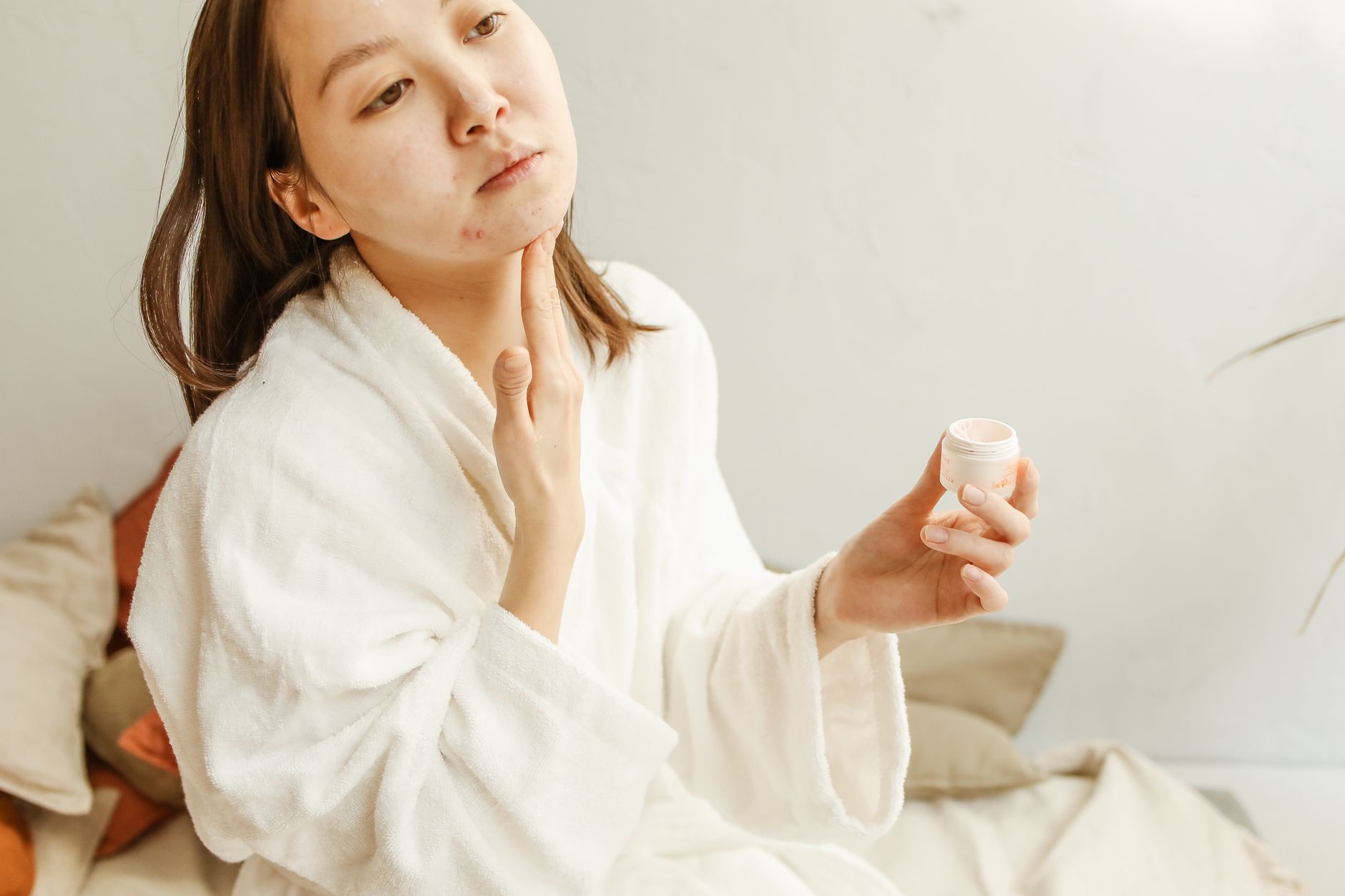
In 2026, dermatologist-recommended acne care centers on benzoyl peroxide, topical retinoids, antibiotics, selected hormonal medicines, and isotretinoin. The right option depends on acne severity, prior treatment, pregnancy risk, and the need to limit antibiotic resistance. The current American Academy of Dermatology guideline covers adults, adolescents, and children over age 9. It strongly recommends several established medicines while giving conditional recommendations where individual factors matter, according to the AAD's evidence-based acne guideline.
Medical information disclaimer: This article is for general educational purposes only and does not provide medical advice, diagnosis, or treatment. Always consult a physician or other qualified health professional about symptoms, medications, tests, or treatment decisions.
Table of Contents
- Start with evidence-backed topical options
- How should antibiotics be used?
- When are hormonal medicines considered?
- Who may need isotretinoin?
- What about procedures, diet, and alternative treatments?
Start with evidence-backed topical options
Topical treatments are medicines applied directly to the skin. Strongly recommended options include benzoyl peroxide and retinoids such as adapalene or tretinoin. A topical retinoid helps unclog pores and reduce inflammation.
Dermatologists may combine medicines instead of relying on one ingredient. The main evidence-backed building blocks are: salicylic acid, azelaic acid, and clascoterone carry conditional AAD recommendations. That does not make them automatically unsuitable. It means the choice should reflect the individual patient and treatment goal.
- Benzoyl peroxide
- Adapalene or tretinoin
- Topical antibiotics
- Combinations of these treatments
How should antibiotics be used?
The AAD strongly recommends topical and oral antibiotics as treatment options, but antibiotics should not be used without a resistance plan. Anyone using a topical or oral antibiotic for acne should also use benzoyl peroxide. Oral-antibiotic use should be limited when possible.
Combining an antibiotic with benzoyl peroxide helps prevent antibiotic resistance, as explained in the AAD's antibiotic guidance. Minocycline and sarecycline are conditionally recommended options. A prescriber can decide whether one fits the patient's circumstances, but the same benzoyl peroxide safeguard applies.
When are hormonal medicines considered?
Hormone-directed prescriptions include combined oral contraceptives and spironolactone, both conditionally recommended by the AAD. These options require an individualized decision rather than serving as universal acne treatments. Dermatologists may prescribe spironolactone to women with stubborn hormonal acne affecting the face, chest, or back.
People who can become pregnant need contraception while taking it because spironolactone can cause severe birth defects, according to the AAD. Before choosing a hormonal medicine, tell the prescriber whether pregnancy is possible. That safety question can change which treatment is appropriate.
Who may need isotretinoin?
Dermatologists recommend isotretinoin for severe acne or acne that has not responded to standard topical or oral treatments. It is especially important for nodular acne, the most severe acne type, because nodular acne can scar. Isotretinoin requires tighter controls than other options because of embryo-fetal toxicity.
The FDA requires treatment through the iPLEDGE Risk Evaluation and Mitigation Strategy, or REMS. The FDA's 2026 iPLEDGE notice states that planned REMS modifications are delayed until November 15, 2026. Until then, pretreatment pregnancy tests must still take place in a medical setting.
What about procedures, diet, and alternative treatments?
The AAD found insufficient evidence to recommend chemical peels, lasers or light devices, microneedling, dietary changes, vitamins, or plant-based alternatives as acne treatments. Insufficient evidence does not prove that every approach is ineffective; it means the guideline could not support a treatment recommendation from the available evidence. Broadband light added to adapalene 0.3% is specifically conditionally discouraged in the AAD's current recommendations.
Readers should not assume that a procedural or "natural" option has evidence comparable to strongly recommended medicines. A dermatologist may inject corticosteroid into a few large, painful lesions for faster relief of pain and inflammation. Repeated injections are not recommended, so this is a targeted option for limited lesions rather than ongoing maintenance.