
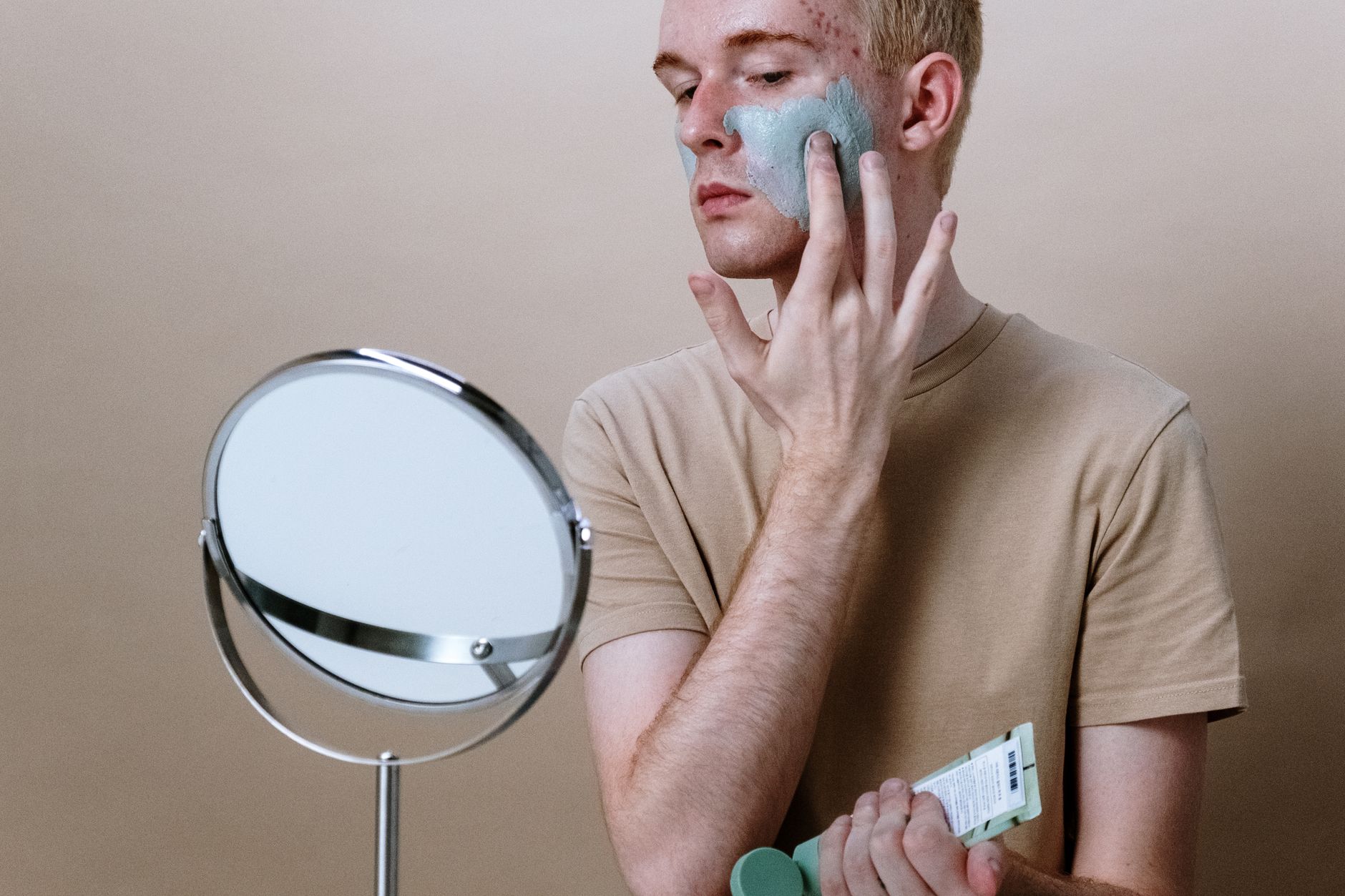
The best-supported acne plan in 2026 starts with proven medicines, combines treatment types when needed, and escalates according to severity and response. Evidence supports benzoyl peroxide, topical retinoids, antibiotics used responsibly, and isotretinoin for severe or treatment-resistant acne. No single routine suits everyone. The useful question is which evidence-backed option fits your acne, previous treatment, antibiotic exposure, and pregnancy-related safety needs.
Medical information disclaimer: This article is for general educational purposes only and does not provide medical advice, diagnosis, or treatment. Always consult a physician or other qualified health professional about symptoms, medications, tests, or treatment decisions.
Table of Contents
- Which treatments have the strongest evidence?
- How should antibiotics fit into a plan?
- When should treatment escalate?
- Which popular approaches lack enough evidence?
- What safety issues need special attention?
Which treatments have the strongest evidence?
The American Academy of Dermatology strongly recommends benzoyl peroxide, topical retinoids, topical and oral antibiotics, and combinations of these treatments for patients aged 9 and older. "Topical" simply means applied directly to the skin. These recommendations appear in the AAD's 2024 acne management guideline summary.
This list is a core treatment menu, not a reason to use everything at once. When one topical treatment is insufficient, the AAD advises combining treatments that work through different mechanisms. Review active ingredients, not just brand names, when comparing routines. That makes it easier to identify duplication and understand whether a plan truly combines different treatment types.
How should antibiotics fit into a plan?
Antibiotics require two safeguards. The AAD advises pairing any topical or oral antibiotic with benzoyl peroxide, which can improve results and reduce the risk of antibiotic resistance. Oral antibiotic exposure should also be limited where possible.
The AAD says a typical course lasts three to four months, while maintenance treatment can reduce the need for additional antibiotics, according to its patient guidance on acne antibiotics. Treat that time frame as a planning guide, not a personal stop date. Before starting, ask what benzoyl peroxide product belongs in the regimen, how progress will be assessed, and what treatment will maintain results afterward.
When should treatment escalate?
For severe acne, or acne that has not responded to standard topical or oral treatment, the AAD recommends isotretinoin. This is a meaningful escalation with specific pregnancy safeguards, not simply another topical ingredient to add to a routine. The AAD conditionally supports clascoterone, salicylic acid, azelaic acid, minocycline, sarecycline, combined oral contraceptives, and spironolactone.
Conditional support means these remain reasonable options to discuss, but the guideline does not place them on the same footing as its strong recommendations. Clascoterone is one example of why trial context matters. An FDA review found that clascoterone 1% cream outperformed its vehicle—an inactive comparison cream—in two phase-three trials involving 1,440 participants. That supported approval for people aged 12 and older, but it does not show that clascoterone beats every other active treatment.
Which popular approaches lack enough evidence?
The AAD found insufficient evidence to recommend chemical peels, laser or light devices, microneedling, dietary changes, vitamins, or plant-based acne treatments. "Insufficient evidence" does not prove that an approach never helps; it means the guideline could not support a recommendation from the available evidence. That distinction matters when a product or service promises an "acne cure." Before spending money or replacing established treatment, ask: Anecdotes can explain why an option attracts attention, but they cannot establish who benefits, how much improvement to expect, or whether it can replace standard care.
- Was the approach compared with an inactive treatment or an established acne medicine?
- Did the study measure visible acne improvement?
- Were limitations and unwanted effects reported?
- Is the claim stronger than the evidence described?
What safety issues need special attention?
Isotretinoin is contraindicated during pregnancy because even brief exposure can cause severe fetal harm, according to the FDA's 2026 Absorica prescribing information. In the United States, patients, prescribers, and pharmacies must follow the FDA-required iPLEDGE risk-management program. Anyone who could become pregnant should clarify those requirements before exposure. Benzoyl peroxide raised a different safety concern after benzene was detected in some products.
In 2025, the FDA tested 95 benzoyl-peroxide acne products and found elevated benzene in six; more than 90% had undetectable or extremely low levels. The resulting recalls occurred at the retail level, and the agency judged the cancer risk from daily use for decades to be very low, according to the FDA benzene testing and recall notice. The findings do not support assuming that every benzoyl-peroxide product is contaminated. Readers concerned about a specific product can compare its exact name with the products identified in the FDA notice.