
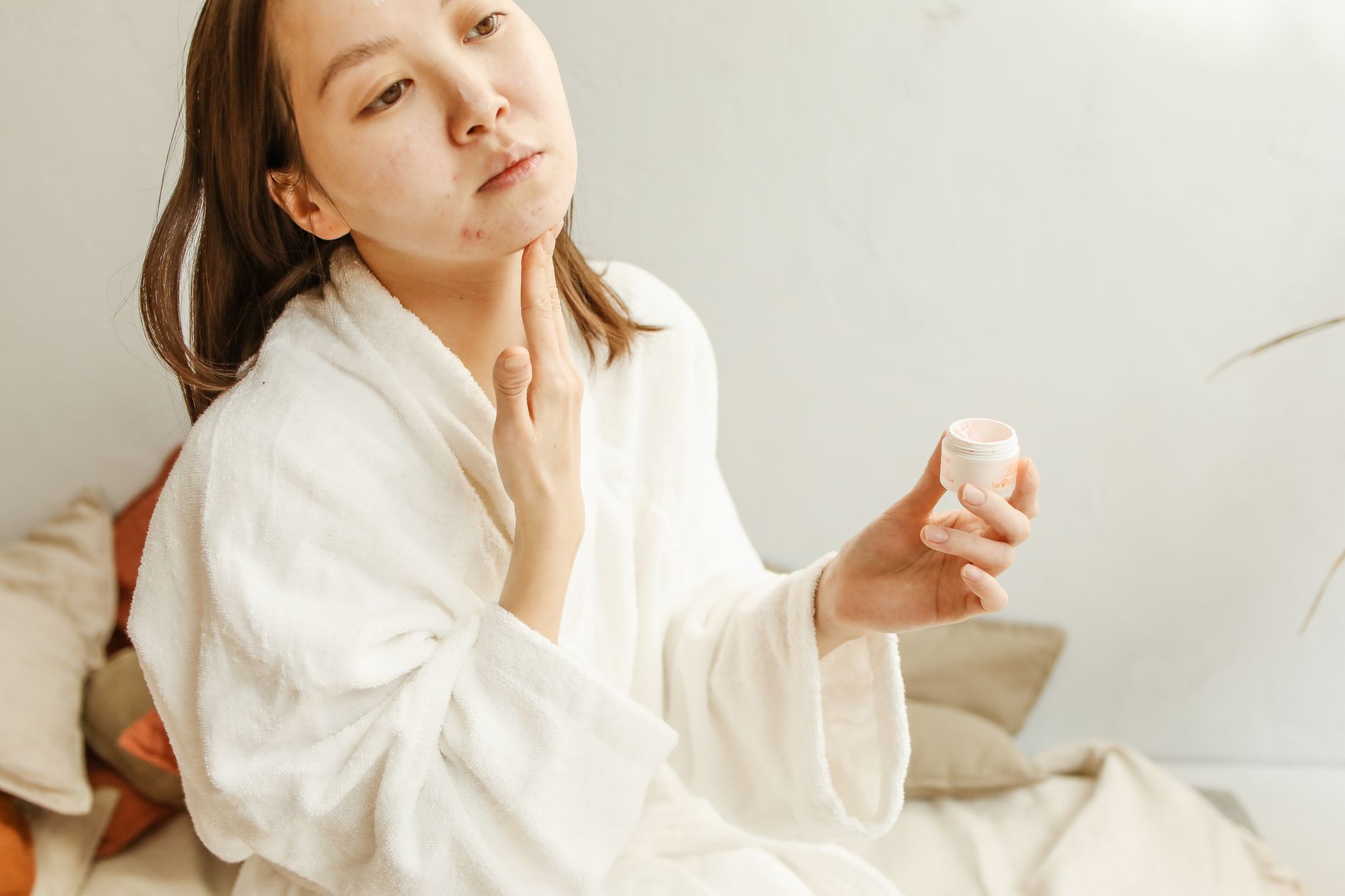
The acne treatments with the strongest evidence include benzoyl peroxide, topical retinoids, topical antibiotics, oral doxycycline, and, for severe or stubborn acne, isotretinoin. Results depend on acne severity, treatment combinations, and adherence, so "effective" does not mean guaranteed clearance. Acne is a skin disease in which clogged follicles produce pimples. It commonly affects teenagers and young adults and can cause lasting scars.
Medical information disclaimer: This article is for general educational purposes only and does not provide medical advice, diagnosis, or treatment. Always consult a physician or other qualified health professional about symptoms, medications, tests, or treatment decisions.
Table of Contents
- Which treatments have the strongest support?
- Why combinations often outperform a single approach
- Where does clascoterone fit?
- Which approaches are ineffective?
- When safety and eligibility change the decision
Which treatments have the strongest support?
The 2024 American Academy of Dermatology guideline strongly recommends benzoyl peroxide, topical retinoids, topical antibiotics, and oral doxycycline. It also strongly recommends isotretinoin for severe, scarring, psychologically burdensome, or treatment-resistant acne, according to the AAD's published guideline. These options do different jobs.
That matters because acne treatment is usually a regimen rather than a contest to find one universally superior product. Treatment intensity should match the problem. Someone considering oral medication should discuss acne severity, scarring, psychological effects, previous treatments, and whether those treatments were followed consistently.
Why combinations often outperform a single approach
The AAD advises combining topical treatments that work through different mechanisms. It also recommends using antibiotics with benzoyl peroxide and limiting systemic-antibiotic duration to reduce antibiotic resistance. A combination product can simplify that approach.
Epiduo Forte contains adapalene 0.3%, a topical retinoid, and benzoyl peroxide 2.5% in one once-daily gel. In a 12-week trial, 33.7% of people using Epiduo Forte achieved clear or almost-clear skin, compared with 11.0% using the inactive vehicle, according to the FDA-approved label. That is meaningful improvement, but it also shows why no responsible treatment plan can promise complete clearance.
Where does clascoterone fit?
Clascoterone 1% cream, sold as Winlevi, is an FDA-approved topical acne treatment for patients aged 12 and older. It is applied twice daily rather than taken as a pill. Across two 12-week trials, 18.8% and 20.9% of treated participants achieved the study's success measure.
The corresponding vehicle results were 8.7% and 6.6%, as reported in the FDA label for Winlevi. Those results should not be stretched beyond the studied population. The pivotal trials involved males and nonpregnant females aged nine or older with moderate or severe facial acne, so they do not establish equal benefit for every patient or acne type.
Which approaches are ineffective?
"Effective versus ineffective" is often too blunt. A treatment may help one form of acne, provide modest improvement rather than clearance, or fail because the regimen does not match the acne's severity.
One specific negative recommendation is clear: the AAD recommends against adding pneumatic broadband light to adapalene 0.3% gel. That finding does not prove that every procedure or light-based intervention is useless; it addresses that particular addition to that particular regimen.
When safety and eligibility change the decision
Oral isotretinoin is not a routine treatment for mild acne. The FDA labels it for severe recalcitrant nodular acne in nonpregnant patients aged 12 or older whose acne has not responded to conventional treatment. It is contraindicated during pregnancy because of major fetal risk and remains subject to the iPLEDGE safety program.
The FDA approved iPLEDGE modifications on February 9, 2026, for implementation 180 days later. Pretreatment pregnancy tests remain medical-setting tests, while prescribers may be able to permit home testing during and after treatment; readers can check the FDA's current iPLEDGE update. Clascoterone also requires attention to its label, which warns about local irritation, possible suppression of the body's hormone-regulating system, and observations of high potassium. Before choosing a regimen:.
- Identify the acne's severity, scarring risk, psychological burden, and previous treatment failures.
- Ask whether two topical mechanisms should be combined.
- If an antibiotic is proposed, confirm how benzoyl peroxide and a limited treatment duration fit the plan.
- If isotretinoin is proposed, verify current iPLEDGE requirements before starting.