
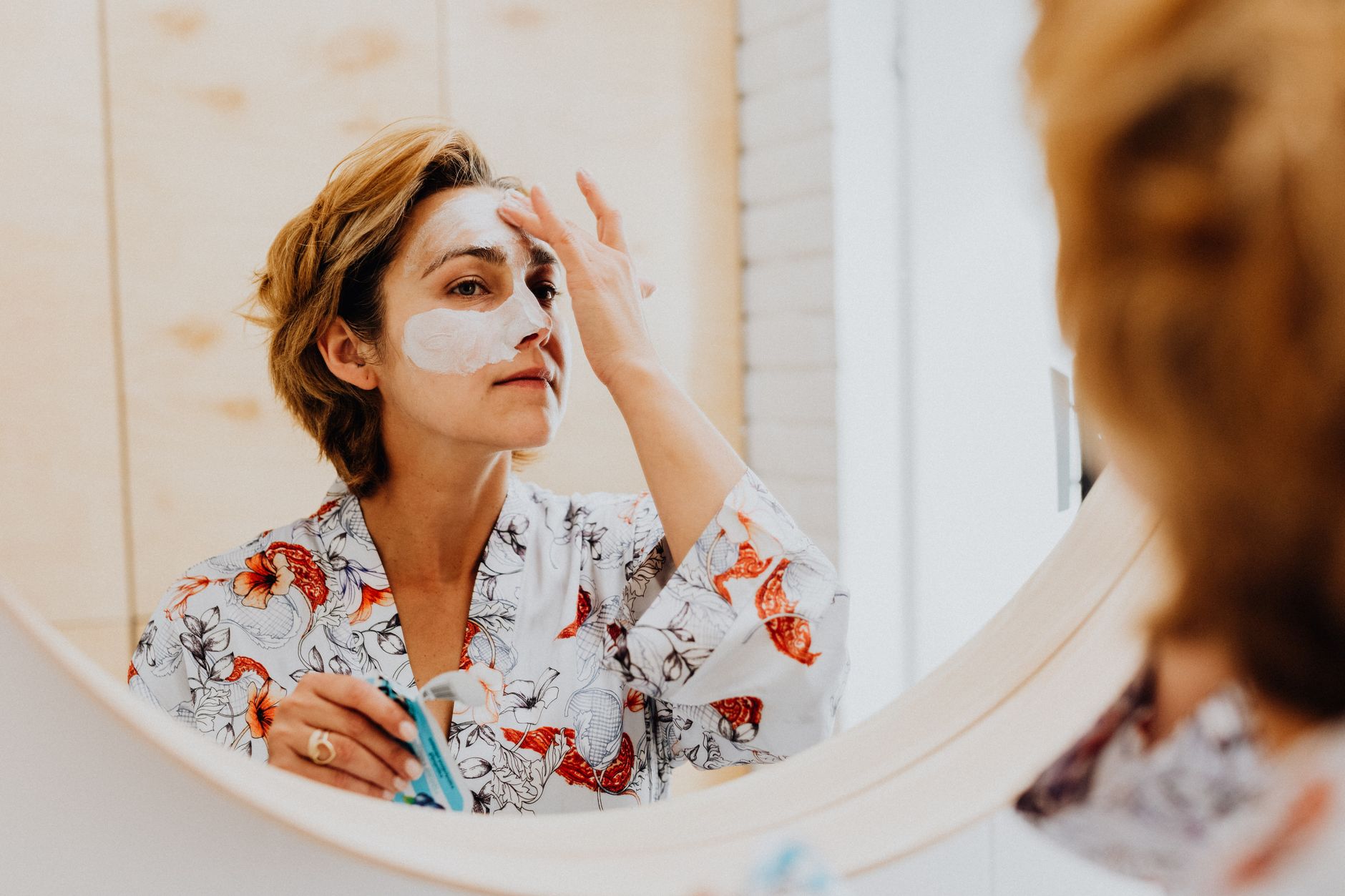
Antiandrogen treatments for adult female acne block androgen signals that raise oil production and clog pores. For adults with persistent acne, the 2026 options center on oral spironolactone, combined birth-control pills, and clascoterone 1% cream. An antiandrogen lowers the effect of male-type hormones present in all adults. Persistent acne means breakouts that continue past the teen years or resist standard creams and antibiotics.
Medical information disclaimer: This article is for general educational purposes only and does not provide medical advice, diagnosis, or treatment. Always consult a physician or other qualified health professional about symptoms, medications, tests, or treatment decisions.
Table of Contents
- How do these treatments reduce breakouts?
- What did recent adult-women trials find?
- Who is each option for?
- What safety checks should you discuss?
How do these treatments reduce breakouts?
Spironolactone taken by mouth counters androgen effects throughout the body. Combined birth-control pills lower free androgen activity and even out hormone swings. Clascoterone 1% cream blocks androgen receptors in the skin, which limits sebum and inflammation with less body-wide hormone effect.
The American Academy of Dermatology states in its 2024 acne guidelines that hormonal therapies including spironolactone and combined oral contraceptives are conditionally recommended for hormonal causes, as described in the AAD guidelines update. Drugs.com approval history notes that Winlevi was FDA-approved Aug. 26, 2020 for acne vulgaris in patients 12 and older, as listed in the FDA approval history.
What did recent adult-women trials find?
In the SAFA randomized trial of 410 adult women with persistent acne, oral spironolactone improved self-reported acne more than placebo, with the gap widening from week 12 to 24 and side effects rated tolerable, according to BMJ coverage summarized in the Stacker/Omak Chronicle report. The result points to slow, steady gain rather than a fast clear.
The FASCE double-blind trial in 133 adult women with moderate acne, reported in Acta Dermato-Venereologica, found spironolactone 150 mg per day beat doxycycline 100 mg per day at six months. Lesion counts and quality-of-life scores improved more with spironolactone, and tolerance was good.
Who is each option for?
Oral spironolactone is used mainly in women because systemic antiandrogen effects can cause breast growth in men. A Cutis review via MDedge notes that topical clascoterone can be used in both women and men because it acts in skin with minimal systemic effect.
Combined pills are an option for women who also want contraception and can safely use estrogen. Four combined pills hold an FDA acne approval: Ortho Tri-Cyclen, Estrostep Fe, Yaz, and Beyaz, according to The Hospitalist and AAD coverage plus Practical Dermatology FDA reporting. Drugs.com notes spironolactone has no FDA-approved acne dose and is used off-label near 50 to 100 mg daily.
- Consider pills when breakouts track the menstrual cycle and estrogen is safe
- Consider oral spironolactone when acne persists despite creams, pills are unsafe, or antibiotics have failed
- Consider clascoterone cream when a local androgen-blocking effect is preferred, including for men
- Avoid oral spironolactone in pregnancy because antiandrogen effects may impair male fetal development
What safety checks should you discuss?
All four acne-approved pills carry risks of blood clots in veins, stroke, high blood pressure, and heart attack. FDA warnings note that drospirenone pills may carry higher clot risk than some other combinations.
Potassium is the main lab issue with spironolactone. A 2025 Springer dermatology review finds routine potassium checks are low-value in healthy young women, but risk rises with age and kidney risk factors, reaching about 16.7% in women 46 to 65 versus 0.9% in younger women in one cohort, as reported in the Springer review. Bring a list of blood pressure, clot history, pregnancy plans, kidney issues, and potassium-related drugs to that visit.
You Might Also Like
- Topical Hormonal Acne Treatments in a 2026 Review: A Source-Checked 2026 Briefing for Adults With Persistent Acne
- Limited Topical Spironolactone Evidence in the 2026 Review: A Source-Checked 2026 Briefing for Adults With Persistent Acne
- Topical Clascoterone Evidence Revisited in 2026: A Source-Checked 2026 Briefing for Adults With Persistent Acne