
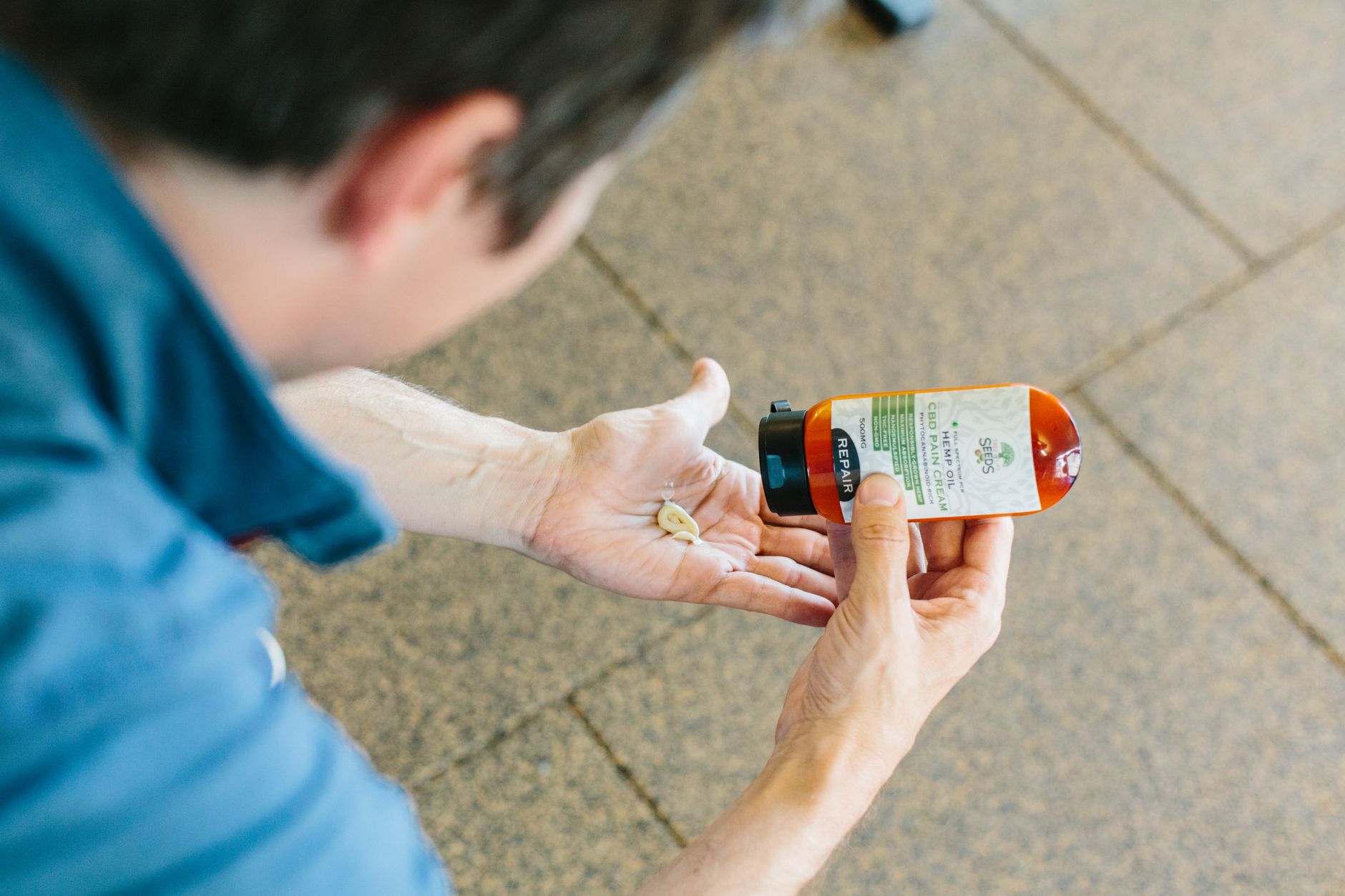
Topical clascoterone cream 1% remains an FDA-approved option for adults with persistent acne in 2026. Evidence shows it blocks androgen receptors in skin, lowers oil production, and improves inflammatory and noninflammatory lesions. Clascoterone cream 1%, sold as Winlevi, is a first-in-class topical androgen receptor inhibitor for acne vulgaris. This briefing explains trial results, long-term safety, and practical use for adults weighing a hormonal approach without oral therapy.
Medical information disclaimer: This article is for general educational purposes only and does not provide medical advice, diagnosis, or treatment. Always consult a physician or other qualified health professional about symptoms, medications, tests, or treatment decisions.
Table of Contents
- How well does it work for facial acne?
- How do adults apply it day to day?
- Does it reduce oil and stay tolerable?
- What safety limit deserves attention?
- Where does it fit in 2026 treatment choices?
How well does it work for facial acne?
Two identical 12-week phase 3 trials enrolled 1,440 patients with facial acne. JAMA Dermatology reported treatment success of 18.4% versus 9.0% in one trial and 20.3% versus 6.5% in the other, in the JAMA Dermatology trial report. Both trials also showed significant cuts in inflammatory and noninflammatory lesions.
Most adverse events were mild and similar to vehicle. That profile matters for adults facing months of maintenance treatment. Absolute success rates stayed modest, so expectations should focus on steady lesion reduction rather than rapid clearance.
How do adults apply it day to day?
The labeled regimen is a thin uniform layer to the affected area twice daily, morning and evening, for topical use only. Sun Pharma states the product is indicated for male and female patients ages 12 and older, in the Sun Pharma availability announcement.
Unlike oral hormonal acne therapy, use does not depend on female sex. A simple routine helps consistency:.
- Wash gently, pat dry, then apply a thin uniform layer to affected areas
- Use morning and evening, not as a spot treatment only
- Avoid eyes, mouth, and broken skin, and ask a clinician about layering with retinoids or benzoyl peroxide
Does it reduce oil and stay tolerable?
A 52-week sebum study reported mean facial sebumeter readings falling from 115.9 at baseline to 61.5 at week 52, about a 47% reduction. Healio described less oily shine plus parallel acne improvement in adolescents and adults, in the Healio report on the Fall Clinical poster. For adults bothered by midday shine, this oil effect is often as noticeable as lesion change.
Long-term tolerability held up in a 9-month open-label extension described by Sun Pharma. About 11.1% had treatment-emergent events, with 75.9% mild and none severe. The most frequent local reactions were redness and scaling or dryness.
What safety limit deserves attention?
Under maximum-use conditions, clascoterone can cause mild, reversible hypothalamic-pituitary-adrenal axis suppression. In phase 2 testing reported by Healio and the Journal of Drugs in Dermatology, 5 of 69 patients had abnormal cosyntropin tests. Cortisol normalized after withdrawal, with no systemic exposure correlation.
The signal does not establish risk for routine thin-layer use. It does explain why clinicians advise the labeled amount, avoidance of overuse, and prompt reporting of unusual fatigue, weakness, nausea, or dizziness. Adults using large surface areas, occlusion, or prolonged high-frequency use need medical review.
Where does it fit in 2026 treatment choices?
The 2024 American Academy of Dermatology acne guidelines conditionally recommend topical clascoterone based on high-level phase 3 evidence. Managed Healthcare Executive reporting on the guidelines warns that high cost may impair equitable access. That cost caveat shapes real decisions for adults without broad drug coverage.
Guideline context favors multimodal care for moderate-to-severe acne, including the 16-week 2025 pilot of clascoterone 1% plus adapalene 0.3%. Adults with persistent acne can compare clascoterone with retinoids, benzoyl peroxide, and oral options on efficacy, irritation, contraception needs, and price. Bring a list of prior treatments, current products, and cost limits to the dermatology visit.
You Might Also Like
- Milk, Dairy, and Acne Evidence Revisited in 2026: A Source-Checked 2026 Briefing for Adults With Persistent Acne
- Topical Hormonal Acne Treatments in a 2026 Review: A Source-Checked 2026 Briefing for Adults With Persistent Acne
- Limited Topical Spironolactone Evidence in the 2026 Review: Why the Findings May Not Change Acne Care Yet for Adults With Persistent Acne