
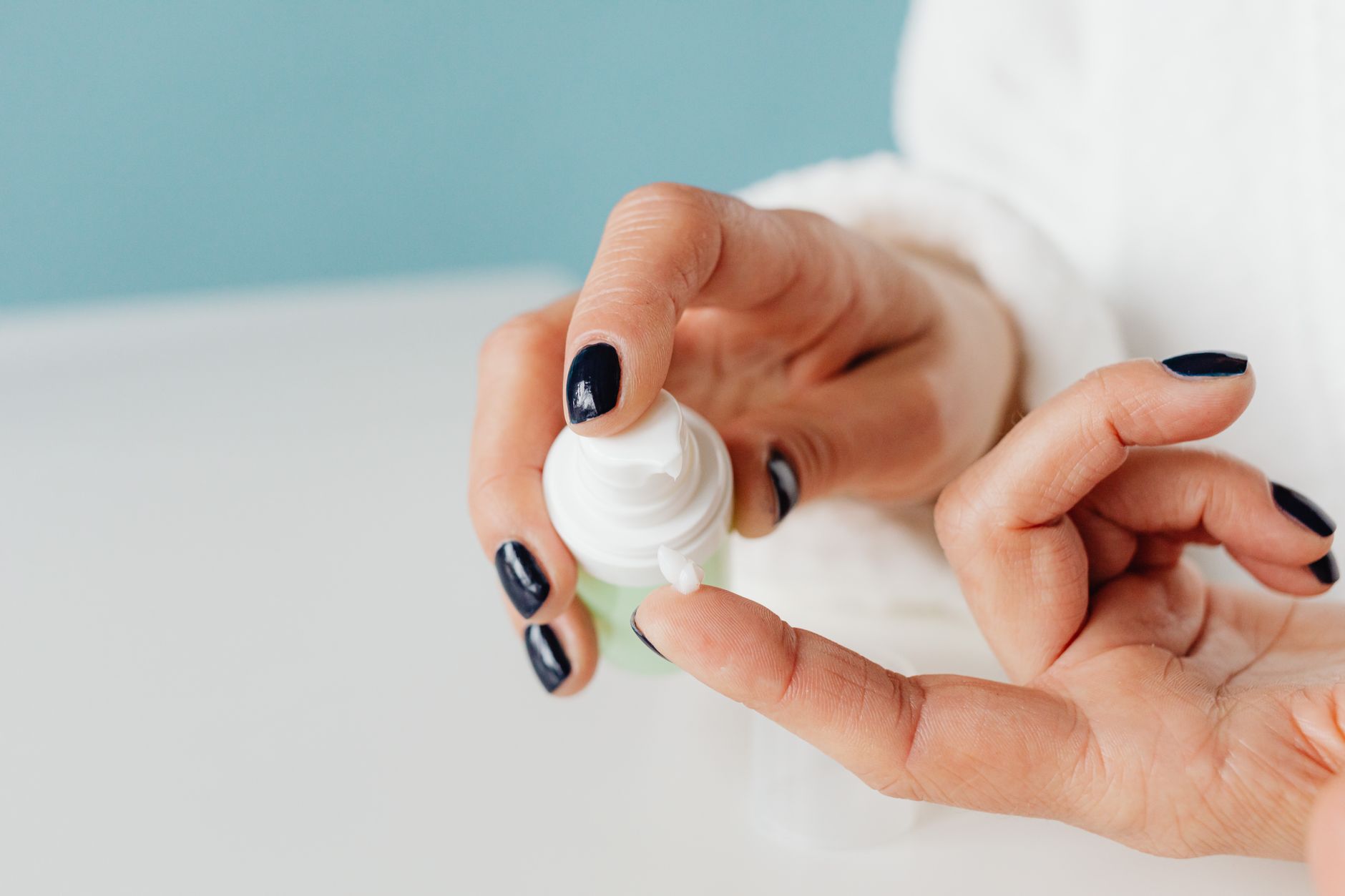
In 2026, the only FDA-approved topical hormonal acne treatment for adults is clascoterone 1% cream (Winlevi). These creams work by blocking androgen signals in skin, and topical spironolactone remains investigational rather than approved.
Persistent adult acne often centers on oil glands and inflammation. Clascoterone offers a skin-targeted hormonal approach for patients age 12 and older. It does not replace daily retinoids, benzoyl peroxide, or systemic hormonal care when those fit better.
Medical information disclaimer: This article is for general educational purposes only and does not provide medical advice, diagnosis, or treatment. Always consult a physician or other qualified health professional about symptoms, medications, tests, or treatment decisions.
Table of Contents
- How does clascoterone target adult breakouts?
- How do adults apply the cream?
- What did trials show and what are the risks?
- What do dermatology guidelines recommend?
- What other hormonal options exist?
How does clascoterone target adult breakouts?
Clascoterone is a topical androgen-receptor inhibitor. It competes for androgen receptors in sebaceous glands and hair follicles. That action curbs DHT-driven sebum production and inflammatory signaling linked to persistent acne.
Eichenfield and colleagues describe this local blockade as the reason it suits adult patterns. The drug acts where oil and inflammation start. It is first-in-class for this mechanism in acne.
How do adults apply the cream?
The FDA label directs a thin layer twice daily, morning and evening. Western Health summarizes the Winlevi prescribing information as recommending treatment of affected areas, described in the prescribing summary. Adults should cover each breakout zone, not spot-treat single pimples.
- Wash hands and clean affected skin before use
- Apply a thin layer to face, chest, shoulders, or back as affected
- Use morning and evening on the same areas
- Follow clinician advice on pairing with retinoids or benzoyl peroxide
What did trials show and what are the risks?
Two 12-week Phase 3 trials enrolled 1,440 patients with facial acne. Hebert et al. reported in JAMA Dermatology significantly higher treatment success and larger lesion reductions with clascoterone than vehicle, detailed in the Phase 3 trial report in JAMA Dermatology. Both inflammatory and noninflammatory lesions improved. Adverse events were mostly mild in those trials.
Reports listed trace or mild redness and dryness, plus headache and nasopharyngitis. No major systemic antiandrogen signal appeared during the studies. A separate short pharmacokinetic study found reversible adrenal-axis suppression. One of 20 adults and 2 of 22 adolescents had low post-stimulation cortisol, with recovery on follow-up. Patients should report unusual fatigue, weakness, or dizziness during use.
What do dermatology guidelines recommend?
The American Academy of Dermatology 2024 acne guidelines give only a conditional recommendation to topical clascoterone. Drugs.com dates the original FDA approval to August 26, 2020, according to the FDA approval history. Conditional status reflects less certainty than strong recommendations.
Strong recommendations cover benzoyl peroxide, retinoids, and fixed combinations. The Academy advises combining topicals with different mechanisms for many patients, summarized in the 2024 AAD guideline summary. An adult may therefore use clascoterone alongside a retinoid or benzoyl peroxide.
What other hormonal options exist?
Topical spironolactone is not an approved substitute. A 2026 narrative review finds robust evidence for oral spironolactone in adult female acne, but only small, mixed studies for topical use. Topical use fits at most mild-to-moderate disease or when systemic therapy is unsuitable.
Systemic hormonal choices with FDA acne indications are four combined oral contraceptives: Ortho Tri-Cyclen, Estrostep Fe, Yaz, and Beyaz. Healthline notes these pills can pair with topicals when contraception is also needed. Adults needing contraception plus acne control can ask their clinician whether pairing one of these pills with a topical fits their history, since benefit typically takes months.
You Might Also Like
- Limited Topical Spironolactone Evidence in the 2026 Review: Why the Findings May Not Change Acne Care Yet for Adults With Persistent Acne
- Adult Female Acne Antiandrogen Treatments in a 2026 Review: Why the Findings May Not Change Acne Care Yet for Adults With Persistent Acne
- Mediterranean and Vegan Diet Claims in the 2026 Acne Review: A Source-Checked 2026 Briefing for Adults With Persistent Acne