
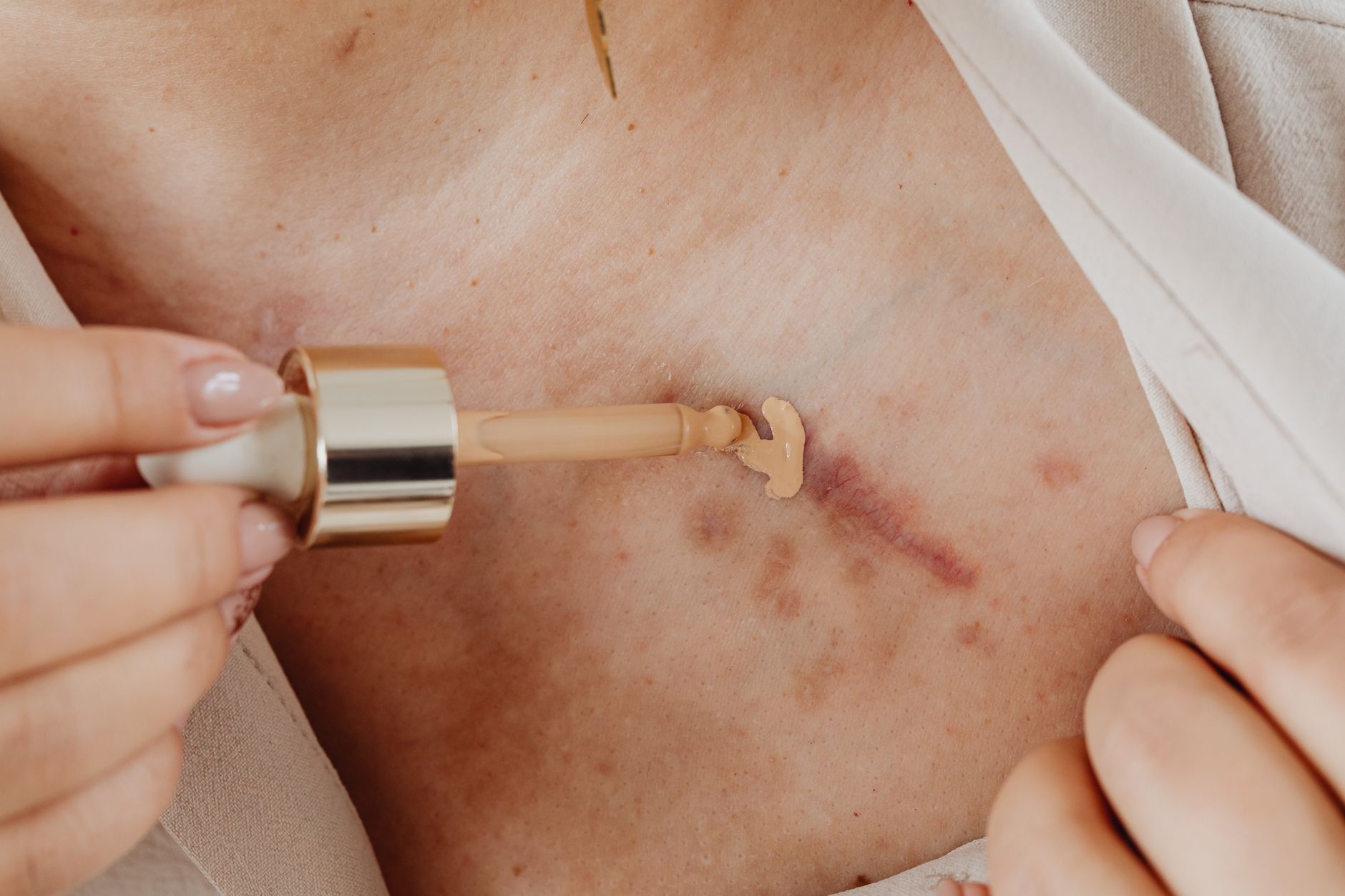
Combination treatment leads the 2026 evidence for atrophic acne scars, the lasting dents left after acne heals. Laser paired with platelet-rich plasma, filler, or chemical peel ranked highest on different scar measures, while safety and best-pairing questions remain open. Readers can use this update to compare benefits, downtime, and skin-tone risks before seeing a dermatologist. The pattern favors tailored combinations over any single device alone.
Medical information disclaimer: This article is for general educational purposes only and does not provide medical advice, diagnosis, or treatment. Always consult a physician or other qualified health professional about symptoms, medications, tests, or treatment decisions.
Table of Contents
- Which combinations improved scars most?
- Should you choose laser or radiofrequency microneedling?
- What works across skin tones?
- Can early acne care reduce later scarring?
- What remains unproven?
Which combinations improved scars most?
A large PubMed-indexed network meta-analysis of 68 trials with 4,480 patients ranked laser plus platelet-rich plasma best for reducing ECCA scar scores. ECCA is a scoring system that grades scar number and severity. The same analysis ranked laser plus filler best for Goodman-Baron scores and laser plus chemical peel best for patient satisfaction, as reported in the network meta-analysis record.
Microneedling was the most tolerable option for pain in that analysis. That matters because stronger remodeling often brings more discomfort and recovery time. Patients who fear pain may therefore accept a milder course with more sessions.
Should you choose laser or radiofrequency microneedling?
Fractional CO2 laser uses focused light columns to remove tiny skin zones and trigger collagen repair. Radiofrequency microneedling uses fine needles plus heat energy to trigger collagen with less surface injury. A 2026 meta-analysis of 8 randomized trials with 249 patients found fractional CO2 laser improved atrophic scars more than microneedling radiofrequency by a mean difference of 0.31 and raised satisfaction, according to the Journal of Cosmetic Dermatology in the March trial comparison.
The tradeoff was redness and pigment risk. Fractional CO2 carried 4.44 times the post-inflammatory hyperpigmentation risk and 1.72 extra days of redness. Fractional radiofrequency microneedling alone also improved facial scars and matched 1550-nm Er:Glass laser, fractional CO2, and platelet-rich plasma in direct comparisons, with mostly brief redness and little lasting darkening.
What works across skin tones?
Scar shape and skin tone guide choice in current practice. Rolling scars are broad shallow dips, boxcar scars have sharp edges, and icepick scars are narrow deep pits.
Deeper fractional CO2 remodeling fits when downtime and pigment risk are acceptable, while radiofrequency microneedling suits broader skin types and shorter recovery. A newer device option addresses darker skin directly. AVAVA announced FDA clearance on April 22, 2025 for MIRIA acne-scar treatment using Focal Point Technology, indicating high-energy treatment across Fitzpatrick skin types I through VI, as described in the FDA clearance announcement.
- Ask how your scar type affects device choice
- Ask about pigment risk for your skin tone
- Ask about downtime, pain control, and session number
- Ask whether a combination plan would change either risk
Can early acne care reduce later scarring?
The American Academy of Dermatology 2024 acne guidelines strongly recommend oral isotretinoin for severe acne and acne causing scarring. The guidelines also recommend combined topical retinoid, antibiotic, and benzoyl peroxide regimens. They favor doxycycline over minocycline because minocycline carries rare serious harms.
Staying on treatment is a practical barrier. A 2026 narrative review reported median topical use of only 2 months, with half stopping by 3 months and adherence in one-third of patients. The same review found radiofrequency microneedling reduced inflammatory and non-inflammatory lesions through new collagen formation across skin types, with pigment vigilance and possibly lower recurrence than lasers.
What remains unproven?
Small combination reports need caution. A 3-woman case series of photothermal-biomodulated platelet-rich plasma plus Er:YAG and Nd:YAG laser and LED reported photographic improvement in lasting redness, dark marks, and rolling or boxcar scars. Benefit cannot be assigned to the plasma because treatment was combined, the sample was tiny, and ratings lacked controls, validated scales, and blinded review.
Clinicians therefore individualize care while evidence grows. Practical guidance points to stronger fractional CO2 remodeling when downtime is acceptable, radiofrequency microneedling for broader use and shorter downtime, and early retinoids for darker skin tones or high scarring risk. Bring photos of active breakouts, prior treatments, and pigment changes to the visit.