
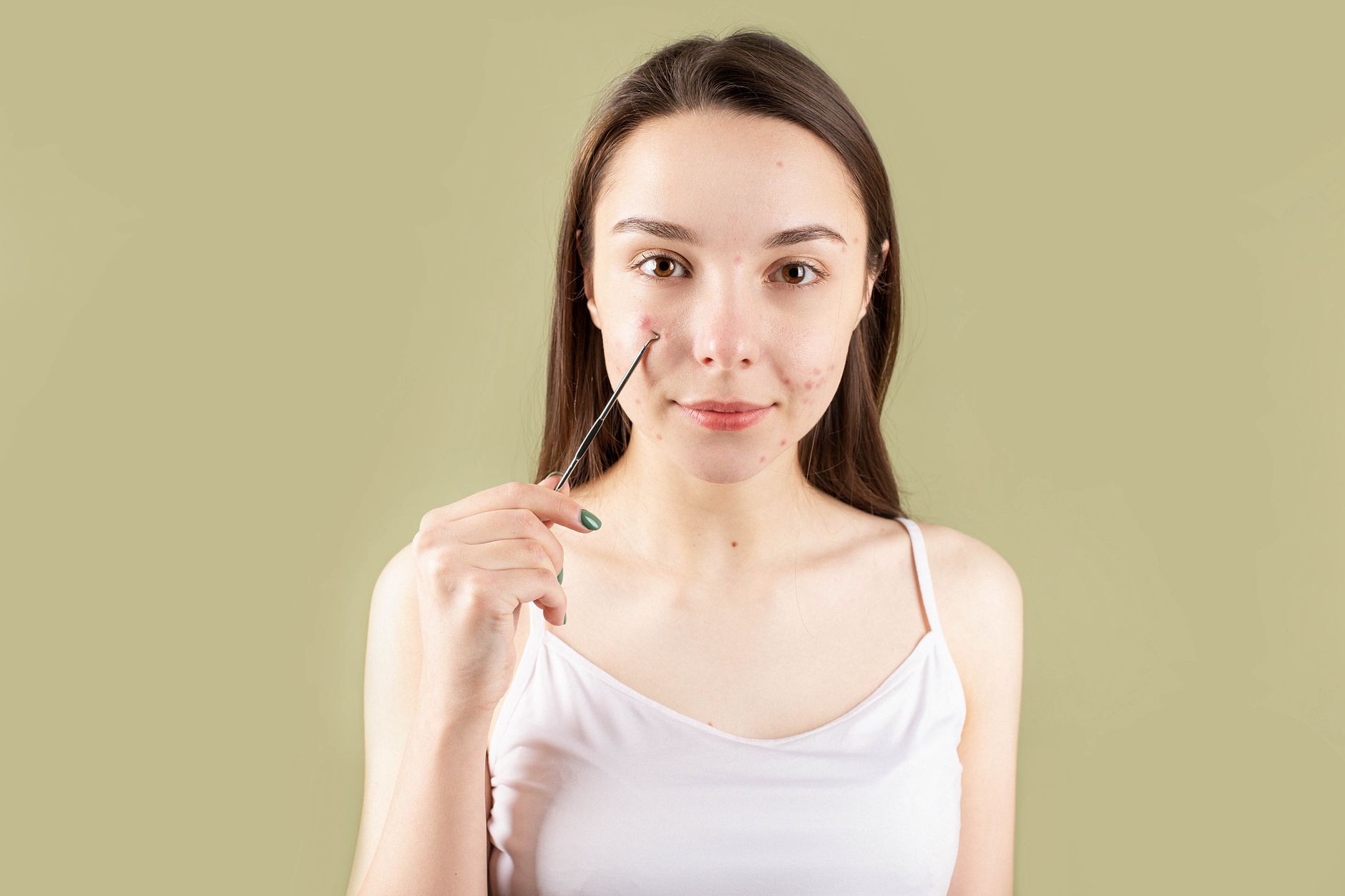
Research links dairy intake and high-glycemic diets to higher odds of acne. Glycemic load describes how much a food or diet raises blood sugar and insulin.
The dairy signal covers milk, yogurt and cheese, but it is strongest for skim and low-fat milk. High-glycemic staples show a more consistent pattern. Most studies observe associations and do not prove that one food causes acne in you.
Medical information disclaimer: This article is for general educational purposes only and does not provide medical advice, diagnosis, or treatment. Always consult a physician or other qualified health professional about symptoms, medications, tests, or treatment decisions.
Table of Contents
- What does dairy research show?
- How do high-glycemic foods affect acne?
- Why might milk act like sugar?
- What should you discuss with your dermatologist?
What does dairy research show?
A 2018 systematic review pooled 78,529 children, adolescents and young adults ages 7-30. It found any dairy intake was associated with increased odds of acne, according to Nutrients via the U.S. National Library of Medicine PubMed Central the Nutrients meta-analysis.
Milk, yogurt and cheese were included. Dermatology Times, reporting American Academy of Dermatology guidelines, notes the link is stronger for skim and low-fat milk than whole milk the Dermatology Times summary of acne guidelines. Yogurt and cheese findings are weaker or inconsistent across studies.
How do high-glycemic foods affect acne?
Prospective studies including randomized controlled trials link higher dietary glycemic load to greater acne risk, according to the Skin Therapy Letter the Skin Therapy Letter evidence summary. Lower-glycemic-load diets are associated with fewer lesions and lower total acne scores.
White bread, sugary snacks, potatoes and sweetened cereals rapidly raise blood glucose and insulin. A New York University Steinhardt nutrition and dermatology review links resulting higher insulin, IGF-1 and androgen activity to more sebum, the skin oil that clogs pores, extra skin-cell growth and inflammation.
Why might milk act like sugar?
Milk proteins and hormones can raise circulating insulin and liver production of IGF-1, a growth-signaling hormone. A JAMA Dermatology dietary summary describes this as a biologically plausible dairy-acne pathway, not proof of causation.
The same Nutrients meta-analysis record reports publication bias and differences by dairy type and study design. Most evidence is observational, so it cannot prove dairy alone causes acne in any individual.
What should you discuss with your dermatologist?
Acne-management guidelines recommend no specific dietary change because glycemic-index data are emerging and dairy data are limited, according to Dermatology Times summarizing American Academy of Dermatology guidelines. Large reproducible controlled trials are still missing.
Dermatologists describe a low-glycemic-load pattern and attention to frequent skim-milk intake as possible add-ons, not replacements for proven treatment, according to the New York University review. Steps to discuss: Bring a two-week log of foods, sleep, periods and breakouts to that visit.
- favor lower-glycemic staples such as beans, intact whole grains, fruit and non-starchy vegetables
- note how often you drink skim or low-fat milk
- keep prescribed treatment steady while you test one change at a time