
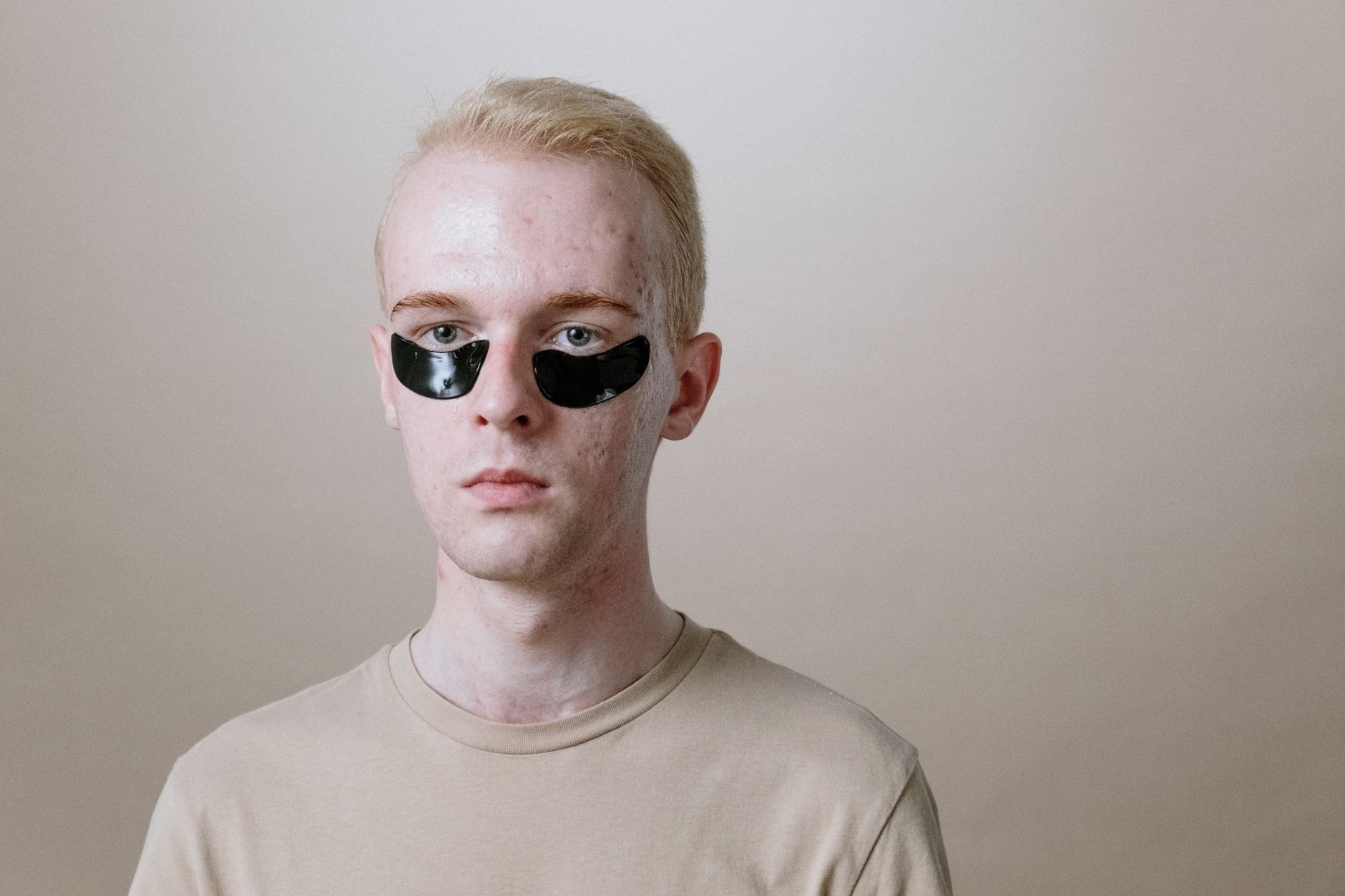
Puberty acne in 2026 is still acne vulgaris, the common clogged-pore condition that causes blackheads, pimples and cysts on face, chest and back. Evidence supports early treatment with proven topicals, wider nonprescription access and continued mood monitoring during isotretinoin.
Rising hormones enlarge oil glands in puberty. Early care limits scarring and distress. This update explains causes, current options and safety steps.
Medical information disclaimer: This article is for general educational purposes only and does not provide medical advice, diagnosis, or treatment. Always consult a physician or other qualified health professional about symptoms, medications, tests, or treatment decisions.
Table of Contents
- Why does puberty trigger breakouts?
- What works now?
- Should you worry about benzene in benzoyl peroxide?
- What is new on isotretinoin for teens?
Why does puberty trigger breakouts?
Rising androgens in puberty enlarge sebaceous glands, the tiny oil-making glands in skin. More oil mixes with dead skin and clogs pores. Medscape describes this process as the driver of pre-adolescent and adolescent acne on face, chest and back. Breakouts often start earlier in females.
Peak severity follows hormonal shifts and oil production. At least 85% of people aged 12-24 experience at least mild acne, MDedge Family Medicine reported in its coverage of AAD guidelines MDedge report on AAD guidelines. Early clogged pores can become inflamed pimples, tender lumps or scarring cysts. Chest and back acne is common and often overlooked. Treatment works best before deep scars form.
What works now?
The American Academy of Dermatology 2024 update centers care on topical benzoyl peroxide, topical retinoids, topical or oral antibiotics and fixed-dose combinations. A retinoid is a vitamin-A-based medicine that unclogs pores and calms inflammation. Oral doxycycline and oral isotretinoin are reserved for more severe, scarring or distressing cases.
Access expanded on May 22, 2026, when FDA approved Galderma's Differin Epiduo Gel with adapalene 0.1% plus benzoyl peroxide 2.5% for over-the-counter use in ages 12 and older, Galderma announced in its official notice Galderma approval announcement. That move gives prescription-strength retinoid-BPO access without a prescription. It does not replace medical care for severe acne. A practical start for mild to moderate acne includes:.
- Wash once or twice daily with a mild cleanser and avoid scrubbing.
- Use a retinoid-BPO product as directed, with moisturizer and sunscreen.
- Seek prompt care for painful nodules, rapid scarring or low mood from acne.
Should you worry about benzene in benzoyl peroxide?
Benzene is a chemical that can raise health concerns at high exposure. Concern grew after some acne products were questioned for possible contamination. The U.S. FDA said in its March 2025 statement that testing of 95 benzoyl peroxide products found more than 90% had undetectable or extremely low benzene FDA benzene testing statement. A small number with elevated levels underwent voluntary retail-level recalls.
Most tested products did not show a problem. Store products as labeled, avoid high heat and check recall notices for your exact product. If your product was recalled, stop using that tube or lot and replace it. Do not abandon benzoyl peroxide based on old bottles alone. Ask a pharmacist or clinician for a current lot.
What is new on isotretinoin for teens?
Isotretinoin is an oral prescription medicine for severe or treatment-resistant acne. A 2026 prospective cohort of 78 adolescents aged 13-18 with severe or resistant acne found 3 months of treatment reduced severity without impairing memory, learning or executive function, Dermatology Times reported Dermatology Times report on isotretinoin findings. Standard depression and anxiety scores rose modestly, without suicidality. The study excluded active psychopathology, followed only 31 of 78 teens to completion and had no control arm.
Dermatology Times noted the same limits mean causality is uncertain. The practical path remains early topical retinoid-antibiotic care to prevent scars, plus close mood monitoring during isotretinoin. Families should report sleep change, withdrawal, persistent sadness or anxiety quickly. Teens with severe, scarring or distressing acne should see a dermatologist promptly.