
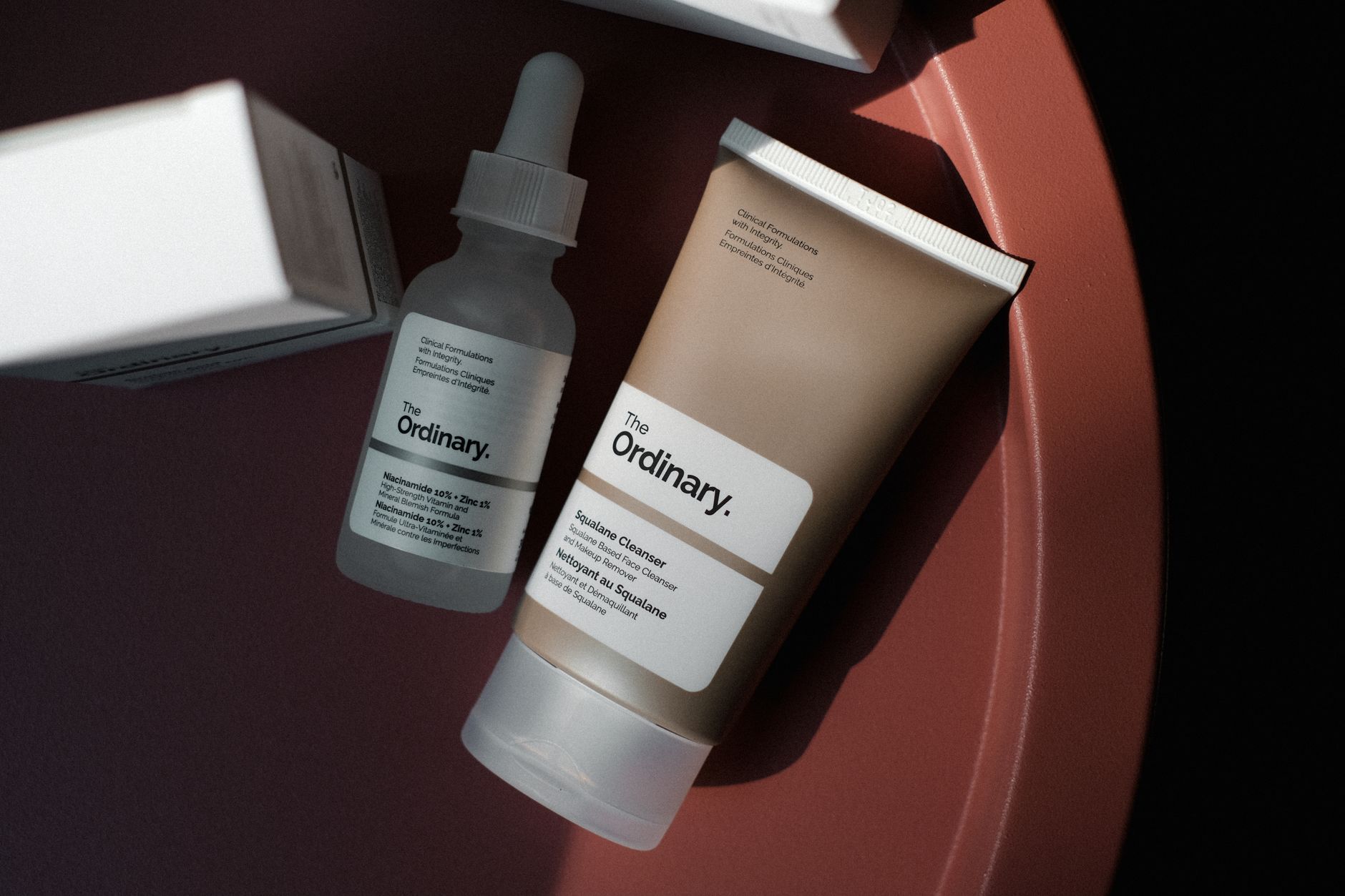
Niacinamide helps acne by trimming excess oil, calming redness, and strengthening the skin barrier. Niacinamide, a form of vitamin B3 used in moisturizers and gels, works best for mild to moderate breakouts with oily, easily flushed skin.
It does not unclog pores like retinoids or kill bacteria like antibiotics. Its edge is tolerance during daily care. It fits well alongside stronger treatments that dry or sting.
Medical information disclaimer: This article is for general educational purposes only and does not provide medical advice, diagnosis, or treatment. Always consult a physician or other qualified health professional about symptoms, medications, tests, or treatment decisions.
Table of Contents
- Does It Cut Oil and Shine?
- Can It Calm Inflammatory Breakouts and Redness?
- How Does It Support the Skin Barrier?
- How to Add It to an Acne Routine?
Does It Cut Oil and Shine?
In adults with oily skin, daily 2% niacinamide moisturizer lowered both sebum excretion rate and surface oil after 4-6 weeks. The Journal of Cosmetic and Laser Therapy published the comparison against baseline or placebo sebum trial results.
Less surface oil means less midday shine and less buildup under makeup. It will not stop hormonal oil surges or clear large blackheads alone. People with a moderately oily T-zone tend to notice the shift first.
Can It Calm Inflammatory Breakouts and Redness?
In 76 patients with moderate inflammatory acne, twice-daily 4% nicotinamide gel for 8 weeks reduced papules, pustules, and severity. Cochrane reviewers in 2020 summarized that result as comparable to 1% clindamycin gel. In mild-to-moderate acne, twice-daily 5% nicotinamide gel for 8 weeks improved inflammatory lesions comparably to 2% clindamycin.
Khodaeiani and colleagues reported good tolerability in that double-blinded randomized trial trial report. For acne-prone, rosacea-prone, and eczema-prone skin, niacinamide eases inflammation and calms visible redness. Cleveland Clinic notes this calming effect pairs with better moisture retention when the barrier is damaged.
How Does It Support the Skin Barrier?
In skin models and in dry-skin subjects, topical nicotinamide boosted new ceramide, fatty-acid, and cholesterol production. Reviewers in Antioxidants in 2021, summarizing Tanno and colleagues, linked that lipid rise to stronger stratum-corneum and lower water loss review details. A full lipid seal holds water in and keeps irritants out.
For acne-prone skin, that means less tightness after cleansing and better tolerance for exfoliants. Retinoid or benzoyl peroxide users often feel this buffer first. Evidence is still narrow, with only a few small acne trials. Cochrane reviewers rated the overall quality of that evidence as low or very low.
How to Add It to an Acne Routine?
Pairing treatment with a ceramide-plus-niacinamide moisturizer kept hydration and comfort up in a split-face trial. Tempark and colleagues in the Journal of Cosmetic Dermatology in 2024 also noted mainly mild, brief tingling or redness in adolescent acne trials safety findings. Start with one product so you can judge the effect.
Most studies used daily gels or moisturizers for several weeks, not spot use. Give it 8 weeks before judging red lesions and shine. Pause and space out use if tingling runs past a few minutes or redness spreads.
- Choose a 2% moisturizer for oil and barrier care, or a 4%-5% gel for red, inflamed breakouts.
- Apply a thin layer once daily for a week, then move to twice daily if skin stays calm.
- Layer treatment first, moisturizer second, and sunscreen in the morning.