
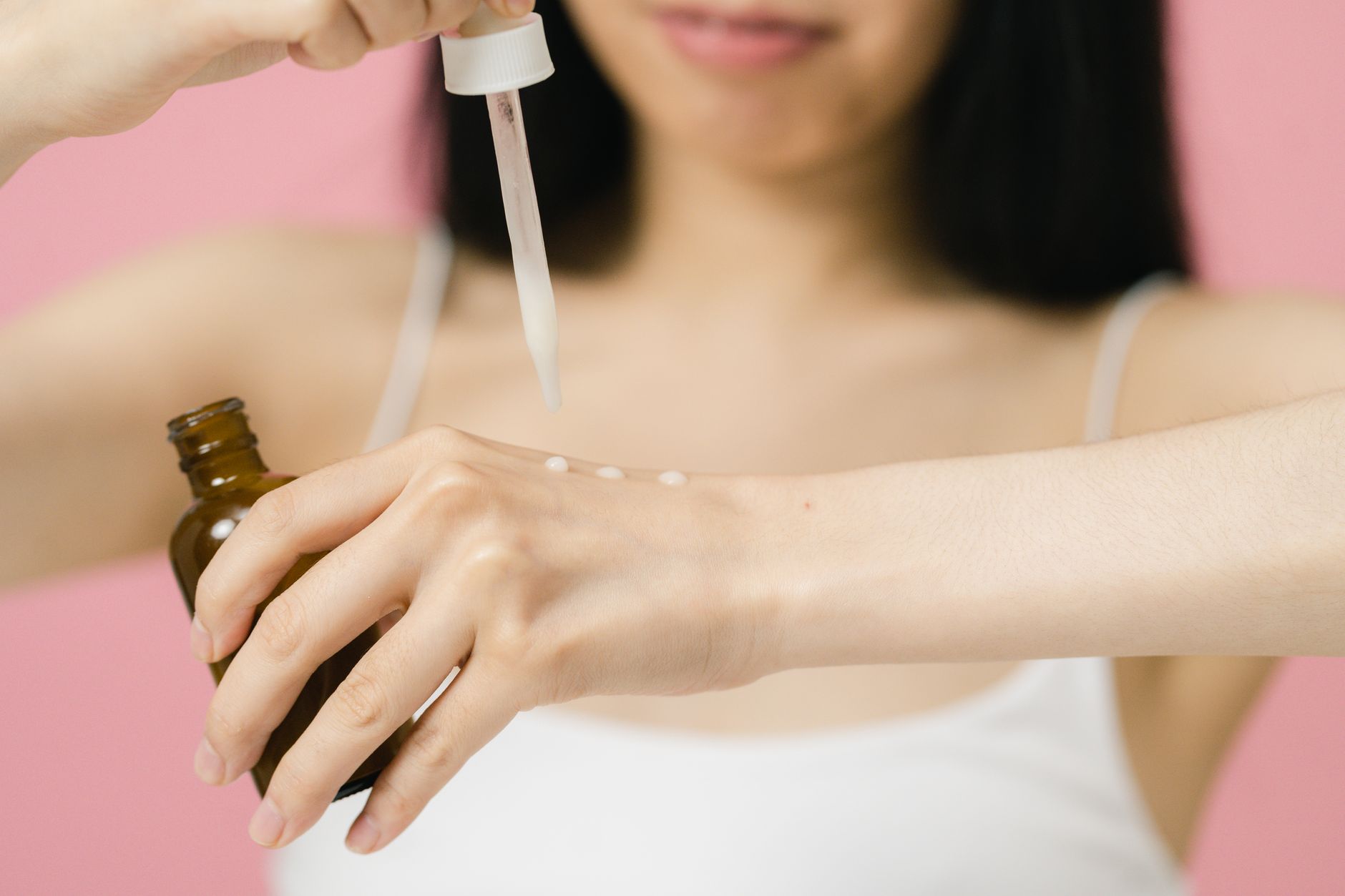
The 2026 probiotic and secretome paper reports no trial results because it is a double-blind randomised trial protocol, not a completed study. People with acne-prone skin can avoid hype by staying with proven care and asking for finished-product, strain-specific trial data before buying. Secretome here means the mixture collected from mesenchymal stem cells, tested as a topical treatment alongside an oral probiotic for acne vulgaris. BMJ Open published the paper as methods and plans only, in the protocol released June 4, 2026, so it cannot show whether the combination helps.
Medical information disclaimer: This article is for general educational purposes only and does not provide medical advice, diagnosis, or treatment. Always consult a physician or other qualified health professional about symptoms, medications, tests, or treatment decisions.
Table of Contents
- What the new trial plans to test
- Why results could not exist yet
- What wider acne evidence says now
- How to read microbiome claims without getting misled
What the new trial plans to test
The linked trial plans 64 patients with mild-to-moderate acne. They receive standard therapy plus Hexbio probiotic and secretome or matching placebos, with checks of clinical severity and microbiome balance, according to the registry record for NCT06925386 from ICH GCP.
Double-blind means neither patients nor assessors know who gets the active products during the trial. That design reduces bias in acne grading and skin sampling. The protocol fixes doses, visits, and outcomes before results exist.
Why results could not exist yet
The protocol states recruitment and data collection were planned for June 2025 to June 2026. The protocol itself published June 4, 2026 in BMJ Open, so outcome and microbiome-restoration results could not yet be available.
Protocol papers make methods public before analysis. They help other researchers judge later results and stop shifting endpoints. They do not provide lesion counts, clearance rates, or safety conclusions.
What wider acne evidence says now
The American Academy of Dermatology issued 18 evidence-based acne recommendations in 2024. The Academy does not recommend prebiotics, probiotics, or postbiotics, citing evidence gaps and need for long-term randomised trials, as reported in the Academy guideline summary.
A 2026 scoping review adds caution about single-strain claims. Its meta-analysis of five Lactobacillus trials with 332 patients found no significant cut in inflammatory, noninflammatory, or total lesions versus placebo or benzoyl peroxide, detailed in the 2026 Cosmetics review. Medscape reporting on expert commentary warns published studies may look brighter than reality because positive company studies reach print while negative company tests stay unpublished.
How to read microbiome claims without getting misled
Regulators treat many microbe and acne claims as drug claims. The International Cooperation on Cosmetics Regulation survey for FDA notes FDA has no official policy approving probiotics in cosmetics, and live-microbe products over Bacteriological Analytical Manual Chapter 23 limits or with disease claims face unapproved-drug treatment.
Global Cosmetics News summarizing FDA enforcement notes skincare sold with antibacterial, anti-inflammatory, or acne-treatment claims becomes a drug needing FDA approval. FDA has sent warning letters ordering removal of such claims from cosmetic listings. Use this check before you pay: Bring the full ingredient list to your visit and ask whether that product has strain-specific trial data.
- Stay with guideline-supported acne care while trial results are pending.
- Ask for randomised data on the exact finished product and exact strain, not microbes in general.
- Treat microbiome-friendly and postbiotic-powered as marketing until the seller shows lesion results.
You Might Also Like
- The 2026 Oral Probiotic and Topical Secretome Acne Trial Protocol: How People With Acne-Prone Skin Can Avoid Microbiome Hype
- Skin Microbiome Outcomes in the 2026 Probiotic Acne Review: How People With Acne-Prone Skin Can Avoid Microbiome Hype
- Probiotics for Acne in a 2026 Systematic Review and Meta-Analysis: How People With Acne-Prone Skin Can Avoid Microbiome Hype