
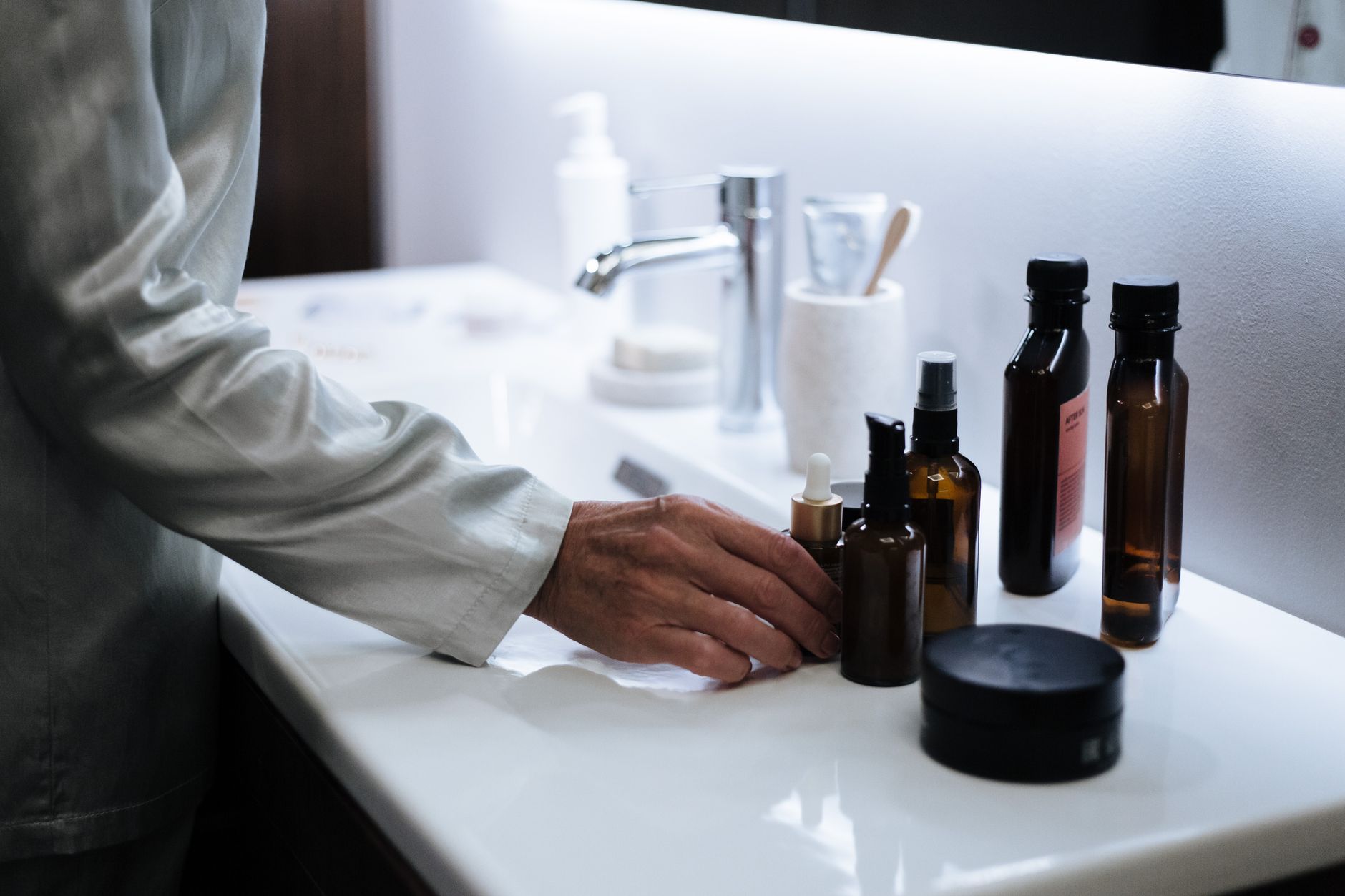
The morning shed is layering masks, creams, patches, chin straps and mouth tape overnight, then removing them for a hydrated morning look. For beginners, the safety-first answer is to skip the full stack and keep skin and sleep safe. OnlyMyHealth, reporting dermatologist comment, describes this overnight layering as the core of the trend OnlyMyHealth report.
Dermatologist Dr. Alana Waldman says there is no reason to do the full routine without doctor approval for elements like mouth tape Healio Dermatology coverage. For acne-prone readers, simpler care avoids added irritation.
Medical information disclaimer: This article is for general educational purposes only and does not provide medical advice, diagnosis, or treatment. Always consult a physician or other qualified health professional about symptoms, medications, tests, or treatment decisions.
Table of Contents
- What goes into a morning shed?
- Why does stacking products backfire?
- Can you sleep in a sheet mask?
- How should beginners test a new product?
- What belongs in mornings and safe sleep?
What goes into a morning shed?
Typical posts show several leave-on layers worn together all night. Masks, thick creams, under-eye patches, jaw or chin straps, and mouth tape often appear in one routine.
The payoff shown is temporary surface hydration in morning light. It does not repair barrier damage or clear acne.
Why does stacking products backfire?
MDLinx, summarizing Drs. Kopelman and Camp, warns that stacking many overnight products can impair the skin barrier MDLinx summary. That damage can bring irritation, breakouts, and eczema flare-ups instead of extra glow.
Barrier trouble lets water escape and irritants enter. Pores stay covered for hours under heavy layers. For acne-prone skin, that mix favors clogging and redness. Simplify fast if you notice:.
- new redness or itching
- fresh breakouts or eczema flare
- burning, swelling, or tight dryness
Can you sleep in a sheet mask?
Dermatology Times reports that sheet-mask occlusion briefly improves hydration Dermatology Times analysis. Wear beyond about 25–30 minutes can overhydrate skin above 35% water content and raise redness and contact-dermatitis risk. InStyle, citing dermatologist guidance, notes problem-targeting sheet, clay, charcoal and similar masks are not made for all-night wear.
Overnight use can clog pores, dry skin, and irritate. Remove masks on schedule, rinse or moisturize lightly as directed, then leave skin alone. Longer wear does not add more benefit.
How should beginners test a new product?
American Academy of Dermatology guidance recommends patch-testing each new product for 7–10 days before full-face use. Stop use if redness, itching, or swelling occurs. Keep testing simple:.
- test each new product for 7–10 days
- do not start full-face use during the test period
- stop use if redness, itching, or swelling appears
What belongs in mornings and safe sleep?
The American Academy of Dermatology, via Newswise, advises gentle cleansing plus broad-spectrum water-resistant sunscreen SPF 30 or higher as the last morning step, even on cloudy days. Sunscreen protects against burn and aging signs without an overnight stack.
The Sleep Foundation, via reporting, states mouth taping is not FDA-approved for snoring or sleep apnea. It can be unsafe with nasal congestion, allergies, colds, or diagnosed apnea by worsening airflow and sleep disruption. Ask a doctor before trying mouth tape or jaw straps, especially with congestion, allergies, colds, or apnea.