
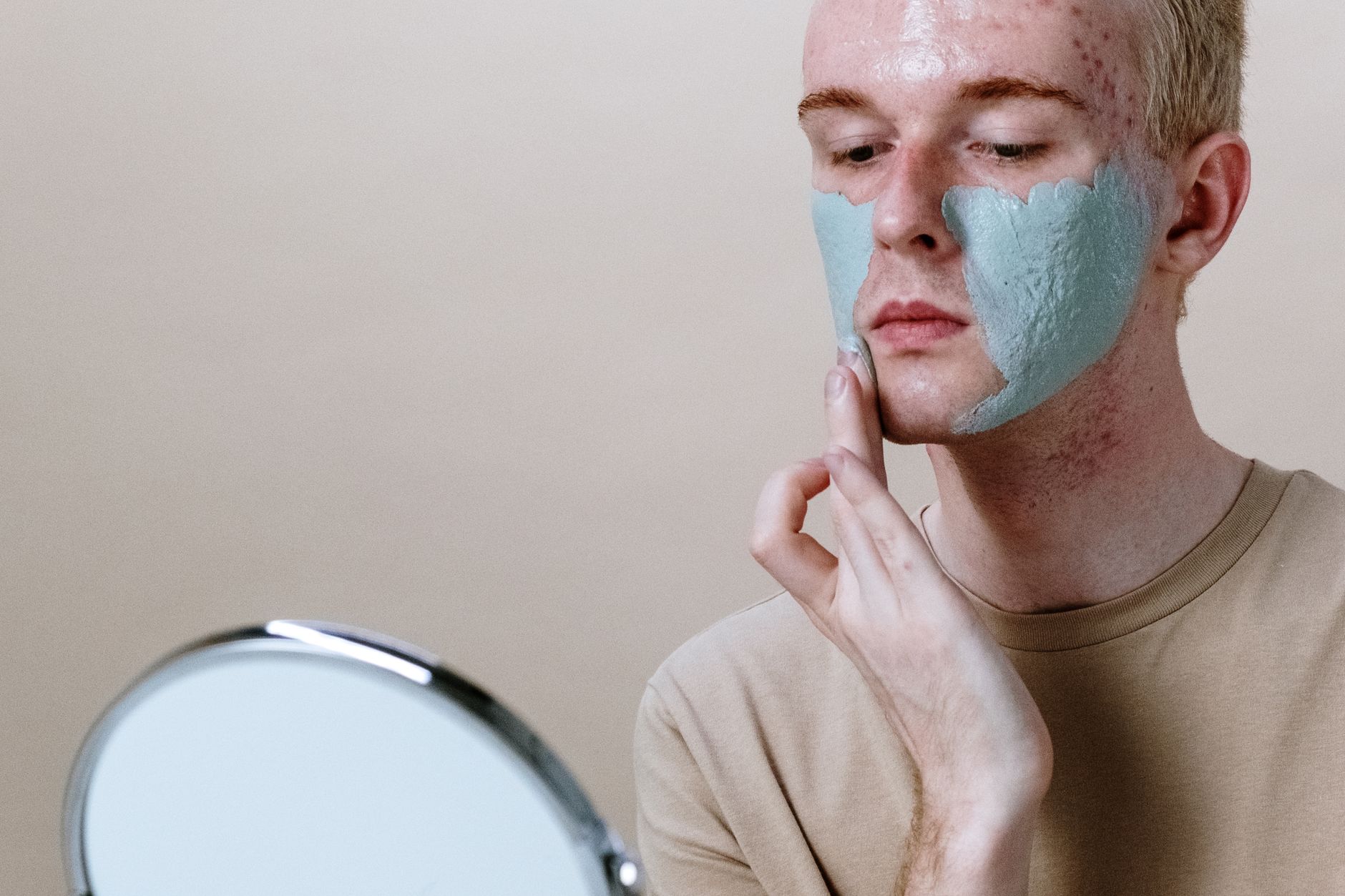
The 2026 AAD Annual Meeting addressed early acne in preteens and teens and highlighted where pediatric rosacea care still lacks clear dosing. It pointed to proven topicals for ages 9 and older while leaving open how long to treat rosacea that starts in childhood.
Pediatric acne means acne that starts before or in early puberty. Pediatric rosacea means lasting facial redness with bumps or eye irritation in children and teens. The meeting ran March 27-31, 2026, in Denver, according to the American Academy of Dermatology in its meeting highlights.
Medical information disclaimer: This article is for general educational purposes only and does not provide medical advice, diagnosis, or treatment. Always consult a physician or other qualified health professional about symptoms, medications, tests, or treatment decisions.
Table of Contents
- What the Denver program covered
- Which early acne options fit ages 9 and up
- How teen rosacea differs from acne
- What to track and ask about next
What the Denver program covered
The official AAD 2026 program listed an Acne and Rosacea session with an antibiotic update, Pediatric Acne: When to Worry by Elizabeth Swanson, and challenging cases, according to AAD Meetings in its program listing. The format paired guidance with case discussion. That structure favors practical choices over theory.
AAD preview materials said Dawn Eichenfield would explain how pediatric acne and rosacea differ from adult disease and why early diagnosis and individualized treatment are essential. The message for families is direct. Red bumps in a child are not always acne, and age changes the plan.
Which early acne options fit ages 9 and up
Current AAD acne guidance gives strong recommendations for topical benzoyl peroxide, retinoids, antibiotics and fixed combinations in patients aged 9 and older, plus oral isotretinoin for severe disease, according to AJMC reporting AAD guidelines. Benzoyl peroxide kills acne bacteria on the skin. Retinoids unclog pores and reduce early plugs.
The FDA extended approval of adapalene 0.1% with benzoyl peroxide 2.5% to ages 9 to 11 after a 12-week trial showed improvement in nearly 70% versus 23% on vehicle, according to Managed Healthcare Executive in its FDA approval notice. The combination pairs a retinoid with an antibacterial topical. It supports treatment of preteen acne with mixed blackheads and inflamed spots.
How teen rosacea differs from acne
Pediatric rosacea can begin in childhood and adolescence, most often as papulopustular or ocular disease, according to a December 2025 Journal of Clinical Medicine retrospective study. Papulopustular means red bumps and pus-filled pimples. Ocular means the eyes feel gritty, red, or irritated.
Clinicians must distinguish rosacea from acne and assess the eyes because ocular symptoms may precede skin changes, the same study reports. Acne centers on blackheads, whiteheads, and clogged pores. Rosacea centers on flushing, lasting redness, visible vessels, and eye symptoms.
What to track and ask about next
Early comedonal acne can predict more severe teen or adult acne, according to Healio reporting AAD guidance. Comedonal means blackheads and whiteheads without much redness. Physicians should monitor preteens through puberty and escalate from benzoyl peroxide to combinations or isotretinoin if unresponsive. A 2026 review found sarecycline gives early and sustained inflammatory-lesion reduction with narrow-spectrum activity that limits gut-microbiome disruption, according to Dermatology Times in its systemic therapy review.
Inflammatory lesions are painful red bumps and pus-filled spots. Narrow-spectrum means the drug targets fewer bacteria, which supports antibiotic stewardship in teens needing oral therapy. Pediatric rosacea is usually treated by adapting adult guidelines with age adjustments, and disease often persists into adulthood, according to the Journal of Clinical Medicine retrospective study. Optimal pediatric dosing and duration remain uncertain. For the next visit, bring specifics:.
- age when blackheads, pimples, flushing, or eye redness started
- photos of flares, current washes, topicals, and past antibiotics
- eye burning, styes, light sensitivity, and what triggers flushing
You Might Also Like
- Pediatric Acne and Rosacea at the 2026 AAD Annual Meeting: Scarring and Pigment-Change Questions for Teens With Early Acne
- Pediatric Acne and Rosacea at the 2026 AAD Annual Meeting: How Teens With Early Acne Can Read the Conference Headline Carefully
- Early Pediatric Acne Assessment Highlighted at AAD 2026: Treatment-Selection Questions for Parents of Children With Acne