
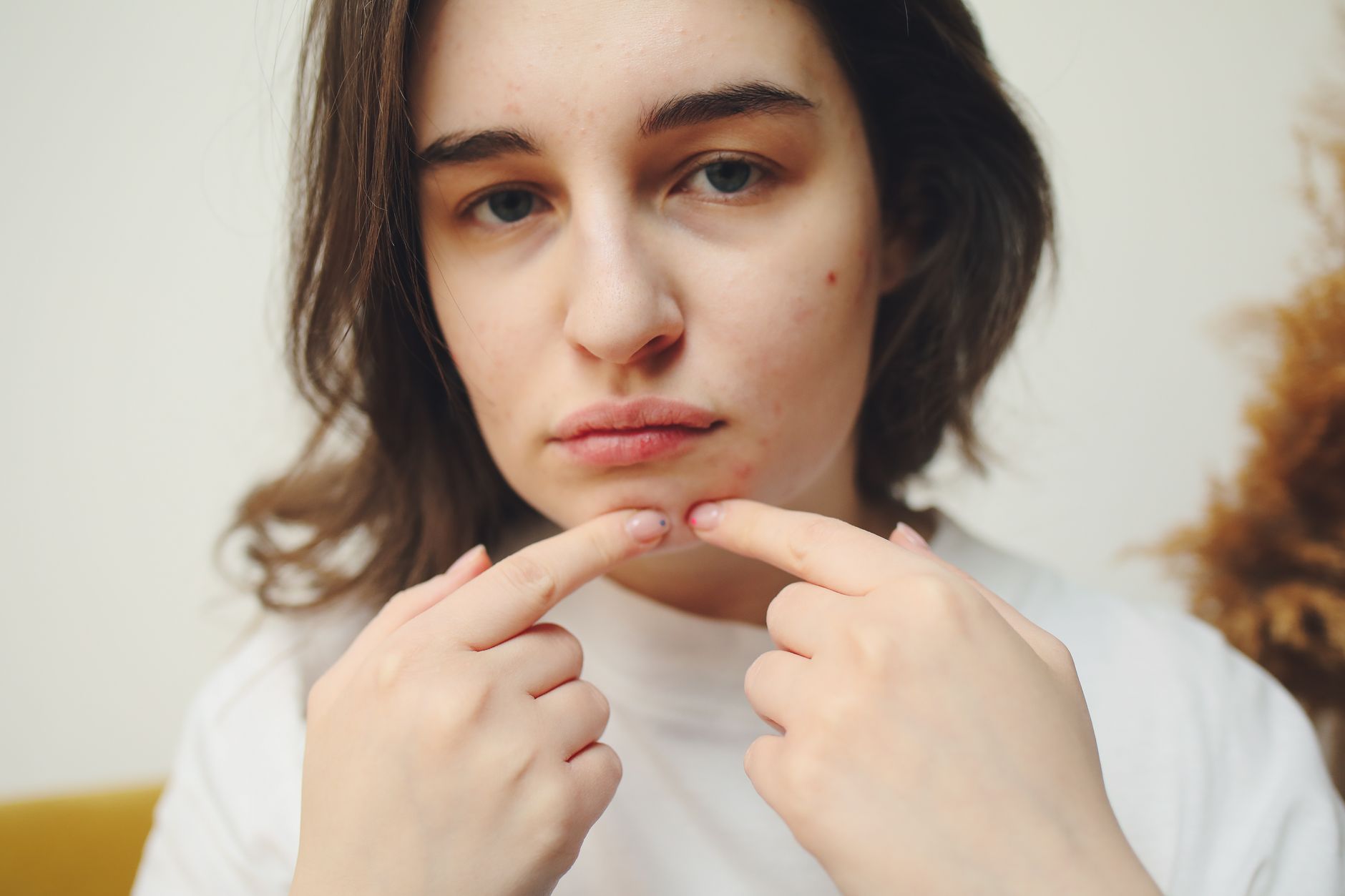
Prevention and acne in October 2026 means stopping new breakouts with tools that shifted this year. A prescription-strength retinoid combination moved over the counter in the United States, British isotretinoin rules changed, and diet and sebum research gave prevention a clearer direction.
Prevention here means keeping pores clear after active spots fade. A retinoid is a vitamin-A-based treatment that helps prevent clogged pores. A fixed combination pairs that action with benzoyl peroxide, which fights acne-causing bacteria on the skin.
Medical information disclaimer: This article is for general educational purposes only and does not provide medical advice, diagnosis, or treatment. Always consult a physician or other qualified health professional about symptoms, medications, tests, or treatment decisions.
Table of Contents
- Can you buy Epiduo without a prescription now?
- Should you still use benzoyl peroxide?
- What changed for isotretinoin treatment in Britain?
- How do you keep skin clear after spots fade?
- What could expand prevention next?
Can you buy Epiduo without a prescription now?
Yes, in the United States. Galderma company news reports FDA approval for Differin Epiduo Gel, adapalene 0.1% plus benzoyl peroxide 2.5%, for over-the-counter use at ages 12 and older Galderma approval announcement. That makes a prescription retinoid-BPO combination available without a prescription. The shift matters for prevention because many people stop treatment too soon.
The American Academy of Dermatology supports retinoid-based maintenance to prevent recurrence. An OTC option lowers the refill barrier for eligible users who already tolerate the ingredients. It does not suit everyone. Age 12 and older sets the boundary. People with very severe, scarring, or persistent acne still need clinician care for oral or other prescription choices.
Should you still use benzoyl peroxide?
Yes, with normal quality checks. The FDA reports testing of 95 benzoyl peroxide acne products found more than 90% had undetectable or extremely low benzene, while 6 products with elevated levels were recalled at retail level FDA testing statement. Benzene is a chemical contaminant that can form when benzoyl peroxide breaks down. The FDA also states that even daily use of the recalled products for decades carries very low added cancer risk FDA benzene FAQ.
That limits alarm but does not remove storage and quality concerns. Heat and long storage can degrade benzoyl peroxide products faster. For practical prevention, buy from current stock, check recall notices, and discard tubes that smell odd, feel gritty, or change color. Ask a pharmacist if your product lot was affected. Do not stockpile extra tubes in hot bathrooms or cars.
What changed for isotretinoin treatment in Britain?
The approval path got simpler, while consent got more explicit. The National Institute for Health and Care Excellence updated acne guideline NG198 in April 2026 to remove the requirement for two independent healthcare professionals to approve isotretinoin in people under 18 NICE update information. The reason was that dual approval is no longer a regulatory requirement. Prescribers still face strict safety checks.
The UK regulator confirmed that from January 2026 prescribers must use a new acknowledgement-of-risk form stating severe acne after other treatments failed, with continued Pregnancy Prevention Programme and Patient Reminder Card. Isotretinoin is an oral treatment reserved for severe disease because it carries risks including birth defects. For families, the decision is now less about finding two signatories. It centers on documented severity, failed prior treatments, pregnancy prevention, and understanding side effects. Bring a full treatment history to the appointment.
How do you keep skin clear after spots fade?
Keep an effective maintenance treatment rather than stopping cold. The American Academy of Dermatology strongly recommends topical benzoyl peroxide, retinoids, antibiotics and fixed-dose combinations, oral doxycycline, and isotretinoin for severe disease. That framework supports steady retinoid-based maintenance for many patients. Diet can help as an adjunct, not a replacement.
A 2026 crossover study found a balanced low-glycemic, anti-inflammatory diet reduced acne severity. The tested pattern cut saturated fat, sugar, and salt and removed dairy and highly processed foods. Useful prevention steps readers can scan: Limits matter. Diet effects vary, antibiotics need medical oversight, and maintenance still causes dryness or irritation in some users. Adjust frequency with a clinician or pharmacist rather than quitting silently.
- Continue the maintenance topical your clinician advised, even when clear.
- Reintroduce one product at a time after irritation, not three at once.
- Favor low-sugar meals, vegetables, legumes, and less-processed foods.
- Track breakouts against sleep, stress, dairy intake, and new cosmetics.
What could expand prevention next?
Watch sebum control. Excess sebum, the skin oil that helps clog pores, is a key prevention target. Researchers reported 52-week data in October 2025 showing clascoterone cream 1% reduced facial sebum production, according to Healio dermatology reporting Fall Clinical report. A Phase 3 acne trial, NCT06403501, has estimated completion in October 2026.
That study is the item to watch for expanded prevention options. A direct sebum-reducing topical would complement pore-clearing retinoids and bacteria-targeting benzoyl peroxide. For now, readers can ask clinicians about sebum-heavy patterns: oily T-zone, midday shine, and clogged pores despite steady retinoid use. Note what you use now, how skin responds, and any pregnancy plans before discussing new hormonally acting options.