
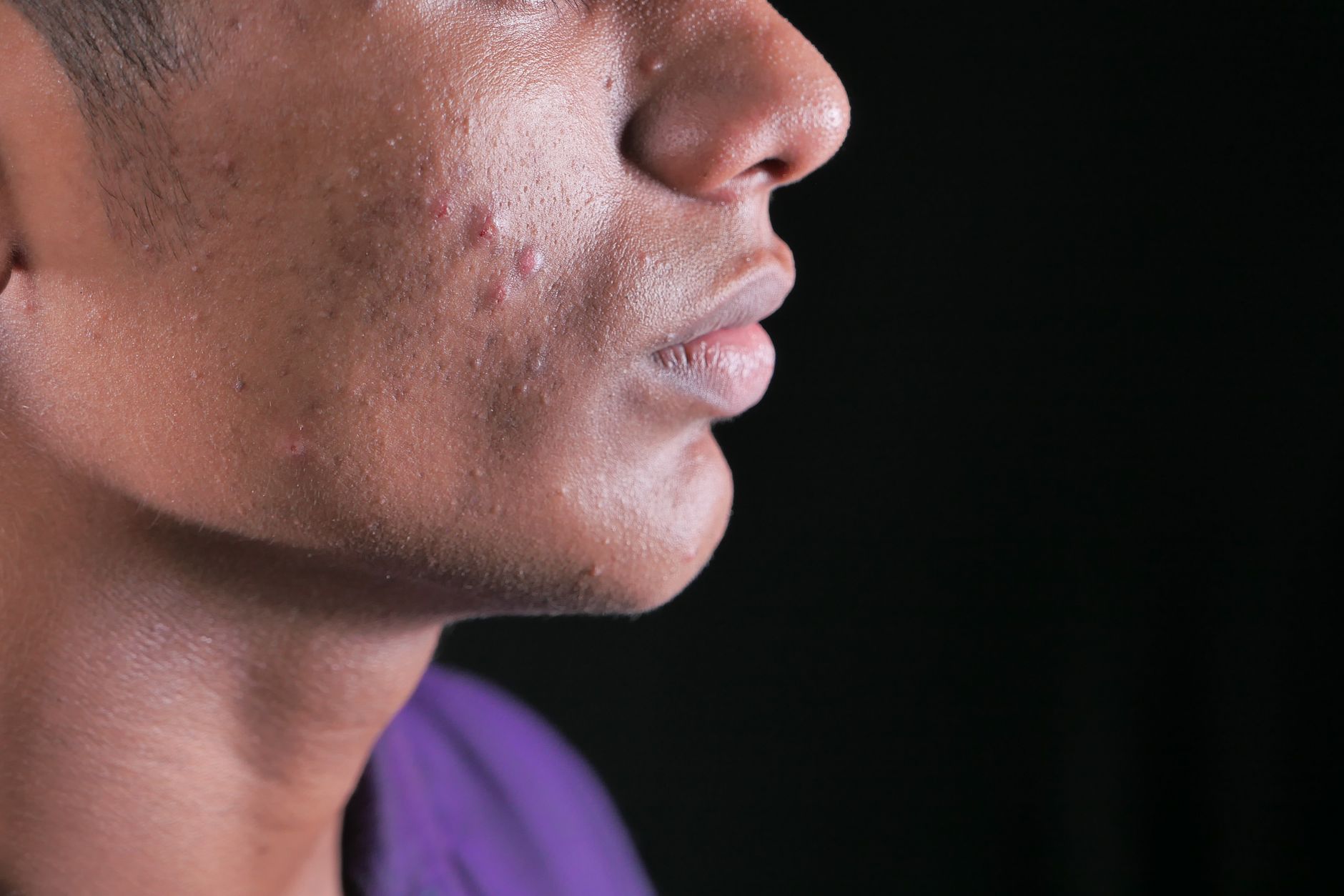
The October 2026 acne update links Mediterranean-style eating to lower likelihood of acne, makes a retinoid combination available without prescription, and advances sebum-blocking and vaccine research into larger trials. It matters because store-level treatment expanded now, while work on causes still points to prevention rather than proof. Acne means clogged pores plus excess sebum, bacterial growth, and inflammation. Causes are the mix of genes, hormones, sebum output, and lifestyle factors that raise or lower the chance of those clogs turning into pimples.
Medical information disclaimer: This article is for general educational purposes only and does not provide medical advice, diagnosis, or treatment. Always consult a physician or other qualified health professional about symptoms, medications, tests, or treatment decisions.
Table of Contents
- Did diet cause my acne?
- What can I get without a prescription now?
- What new treatments are moving forward?
- How much do genes and hormones shape risk?
- What should I do differently this month?
Did diet cause my acne?
King's College London researchers, reported via MedicalXpress in September 2026, found adults who closely followed a Mediterranean-style diet rich in vegetables, fruits, whole grains and unsaturated fats were less likely to report current acne, with the strongest link in women study summary. The same large adult cohort showed a different pattern in men, where lower-carbohydrate and higher animal-based eating was linked to greater likelihood of acne. That sex difference may reflect hormones and reporting differences.
These are observational links, not proof that food causes or cures acne. Proposed paths through insulin, IGF-1, inflammation, and oxidative stress remain hypotheses, not reasons to stop prescribed treatment. Use diet as a supporting habit: add vegetables, fruit, whole grains, beans, nuts, olive oil, and fish across the week.
What can I get without a prescription now?
Galderma announced in a May 2026 press release that the FDA approved prescription-to-OTC switch for Differin Epiduo Gel with adapalene 0.1% plus benzoyl peroxide 2.5% for ages 12 and older FDA approval notice. Adapalene clears clogged pores and calms inflammation.
Benzoyl peroxide lowers acne bacteria and helps prevent resistance. Check fit before buying: Start pea-sized at night, moisturize, and use sunscreen each morning. Expect dryness and mild stinging first.
- age 12 or older and mild-to-moderate pimples, blackheads, or whiteheads
- not pregnant, planning pregnancy, or highly sensitive to retinoids or benzoyl peroxide without clinician advice
- seek care for deep painful nodules, scarring, dark marks that spread, or no gain after 8 to 12 weeks
What new treatments are moving forward?
Sagimet Biosciences said in August 2026 that FDA cleared its application for a Phase 3 trial of oral denifanstat, a fatty-acid synthase inhibitor aimed at sebum production, in adolescents and adults with moderate-to-severe acne trial clearance announcement. Sebum is the oil that feeds clogs and bacterial growth. A pill that lowers sebum creation would target cause, not just surface lesions. Sanofi is also testing an acne mRNA vaccine candidate in adults ages 18 to 45 with moderate-to-severe acne.
The trial compares up to three intramuscular doses against placebo for safety, immune response, and efficacy, with follow-up through 2027. Vaccines aim to teach the immune system to limit harmful bacterial or inflammatory signals. Neither option is available for routine care yet. Trial enrollment has strict age, severity, health, and medication rules.
How much do genes and hormones shape risk?
A twins study reported in the Journal of Drugs in Dermatology found acne is primarily genetic in origin, while social and environmental factors compound severity. Family history predicts who gets acne more often. Sleep loss, stress, picking, heavy pore-blocking products, and high-friction gear affect flares more than onset. Sex-specific diet links fit that split picture.
Hormones shift sebum output across puberty, cycles, and male adulthood. Diet, stress, and skin care then push vulnerable pores toward or away from a breakout. Ask a clinician about persistent jawline flares, irregular periods, excess hair growth, or rapid adult-onset acne. Those patterns can signal a need for hormonal review rather than a stronger wash.
What should I do differently this month?
Keep proven care first and treat diet change as an add-on. Wash once or twice daily with a gentle cleanser, avoid scrubs and picking, and keep hair products off the face. Use one active treatment at a time and give it a full course.
In the UK, NICE guidance NG198 reviewed April 30 2026 removed the rule calling for two independent prescribers to approve isotretinoin for under-18s because it is no longer a regulatory requirement. Isotretinoin remains a specialist drug with strict pregnancy, mood, lipid, and liver monitoring. Teens with severe or scarring acne should ask for dermatology referral rather than waiting for drugstore options to work.