
The claim that one-third of acne patients on oral antibiotics don’t realize their phone screen is dirtier than a toilet seat cannot be verified through published research. However, the underlying facts are alarming: smartphones do harbor significantly more bacteria than toilet seats—up to 10-20 times more, according to peer-reviewed studies. A University of Arizona study found phones carry approximately 25,127 bacteria per square inch compared to just 1,201 on toilet seats. This matters because patients already taking antibiotics for acne are potentially introducing additional bacteria to their faces through contaminated devices they touch dozens of times daily.
The awareness gap may be even more profound than any statistic suggests. While dermatologists regularly counsel acne patients about antibiotic usage, sun exposure, and skincare routines, the connection between phone hygiene and bacterial acne isn’t typically part of the conversation. A patient might dutifully take their doxycycline or minocycline while simultaneously wiping a device across their cheek that harbors E. coli, Staphylococcus aureus, and fecal streptococci—bacteria found on 100% of phone screens tested in hygiene studies. The gap isn’t ignorance; it’s an invisible blind spot in standard acne treatment protocols.
Table of Contents
- Do Acne Patients Understand the Bacterial Load on Their Phones?
- What Bacteria Actually Live on Your Phone Screen?
- How Common Is Oral Antibiotic Use for Acne Treatment?
- Should You Clean Your Phone While Taking Acne Antibiotics?
- What About Antibiotic-Resistant Bacteria on Phones?
- How Does Phone Bacteria Compare to Other Daily Exposures?
- The Future of Acne Treatment and Environmental Factors
- Conclusion
Do Acne Patients Understand the Bacterial Load on Their Phones?
The connection between phone contamination and acne management has received virtually no attention in dermatological literature or patient education materials. Studies show that phones accumulate bacteria from multiple sources: pockets, hands, bathroom counters, and direct contact with the face. Yet when acne patients receive prescriptions for oral antibiotics, the conversation typically focuses on sun sensitivity, potential side effects, food interactions, and the timeline for improvement—not environmental factors that might undermine treatment efficacy.
Research from Initial Washroom Hygiene found that phone screens test at 6.5 times higher bacterial counts than toilet seats using ATP bioluminescence testing, a standard hygiene measurement. This isn’t a theoretical concern; it’s a measurable, reproducible finding. For someone treating acne with antibiotics, this represents a daily reintroduction of the exact pathogens they’re trying to eliminate. The limitation here is significant: while we know phones are bacteria hotspots, we lack clinical data showing how many acne patients actually understand this or modify their phone hygiene habits during antibiotic treatment.
What Bacteria Actually Live on Your Phone Screen?
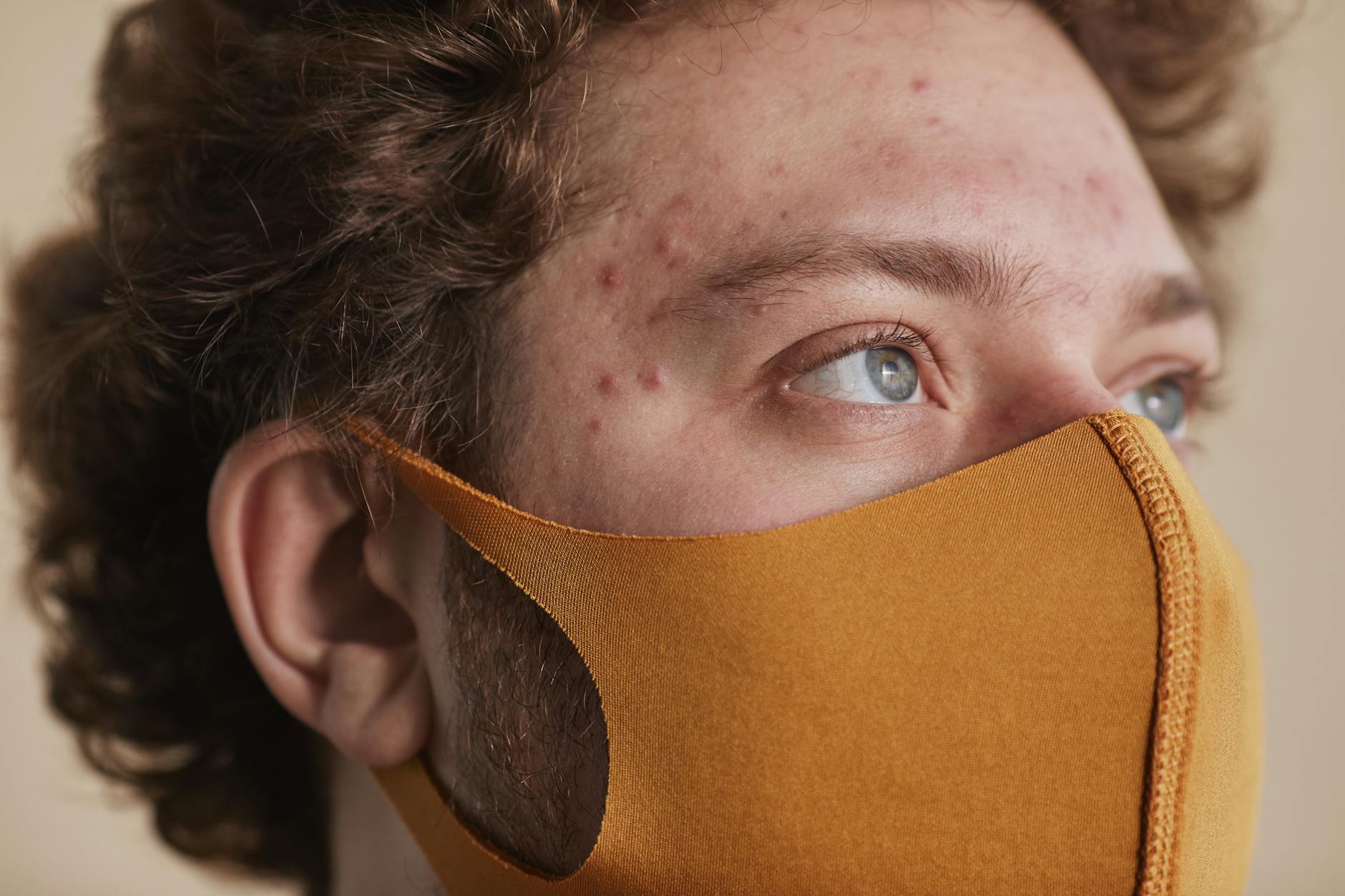
phone screens host a diverse microbial ecosystem that would be shocking to most users. Every major study examining phone bacteria identifies the same culprits: E. coli, fecal streptococci, Bacillus cereus, and Staphylococcus aureus appear on virtually every device tested. For acne patients, this presents a particular problem because these bacteria can trigger or worsen inflammatory acne. Staphylococcus aureus, in particular, is known to exacerbate acne lesions and can even cause secondary infections in existing breakouts.
The warning here is straightforward: the bacteria on your phone aren’t benign surface dwellers. They’re the same species that cause skin infections and acne flares. If you’re taking antibiotics to suppress acne-causing bacteria systemically, you’re simultaneously exposing your skin to concentrated bacterial colonies multiple times per hour. Studies like the University of Michigan report confirm phones carry 10 times more bacteria than toilet seats, making them a potentially counterproductive tool during acne treatment. The bacteria don’t stay on the screen; they transfer to hands, pillows, and directly to facial skin.
How Common Is Oral Antibiotic Use for Acne Treatment?
Oral antibiotics remain a standard treatment for moderate to severe acne, particularly when topical medications prove insufficient. Data from 2018-2019 dermatological records shows that 17.4% of female dermatology patients received oral antibiotics, with acne being one of the primary indications. Among those prescribed oral antibiotics for acne, medications like doxycycline, minocycline, and tetracycline are preferred because they’re both effective against acne bacteria and have anti-inflammatory properties independent of their antibiotic action.
The challenge is that this percentage represents millions of patients globally, yet virtually none receive guidance about phone hygiene during their treatment course. A patient might be counseled extensively about dairy intake, hormonal factors, and skincare routines—all relevant to acne management—but the phone remains an unmentioned vector for bacterial reintroduction. This represents a gap not in patient intelligence but in systemic patient education protocols. The limitation to remember: while 17.4% data exists for antibiotic prescription rates, there’s no verified measurement of how many patients are aware (or unaware) of phone bacterial contamination.
Should You Clean Your Phone While Taking Acne Antibiotics?
If you’re on oral antibiotics for acne, phone hygiene becomes a practical tool worth implementing. The tradeoff is minimal: cleaning your phone screen takes approximately 30 seconds and requires only common household items. Using a microfiber cloth slightly dampened with 70% isopropyl alcohol—the same solution used in medical settings—effectively removes bacterial biofilms from glass screens. This is important because bacteria don’t exist as isolated cells; they form protective communities called biofilms that require physical removal, not just antimicrobial exposure.
Consider the practical example: a patient takes their morning dose of doxycycline, then immediately checks their phone 15 times before breakfast, unconsciously transferring bacteria from the device to their hands and face. They wash their face with a cleanser that temporarily reduces surface bacteria, but by noon, they’ve recontaminated their skin through phone contact multiple times. Cleaning the phone every 2-3 days during antibiotic treatment is a simple addition to any skincare routine that costs nothing. The comparison is striking: you’re investing in oral antibiotics (which cost money and carry potential side effects) while simultaneously maintaining a bacterial reservoir in your pocket. The comparison alone suggests this should be standard protocol.
What About Antibiotic-Resistant Bacteria on Phones?
A more complex concern lurks beneath the surface: phones may harbor antibiotic-resistant bacteria that multiply unchecked while you’re taking antibiotics. When you’re on doxycycline, susceptible bacteria in your system are suppressed, but resistant strains on your phone—bacteria that survive antibiotic exposure—continue thriving and re-inoculate your skin. This creates a situation where your acne treatment addresses one bacterial population while another resistant population accumulates on your device.
The warning is crucial here: we don’t have direct studies measuring antibiotic-resistant bacteria specifically on phones, but the principle is well-established in microbiology. Any surface where bacteria accumulate in warm, moist conditions will eventually develop resistant strains, particularly if that surface is regularly exposed to hands that may carry remnants of antibiotic metabolites. For someone on long-term oral antibiotics for acne—sometimes 6-12 months or longer—this represents months of daily exposure to a potential reservoir of resistance. The limitation is that this remains theoretical in the context of acne treatment, but the mechanism is sound.
How Does Phone Bacteria Compare to Other Daily Exposures?
Your phone screen contains more bacteria than your toilet seat, but how does it compare to other surfaces you touch daily? The answer is sobering: phones rank among the dirtiest objects most people handle regularly. Computer keyboards, which you might touch 100+ times daily, contain similar or higher bacterial loads. Doorknobs, handrails, and shopping cart handles all represent bacterial vectors, but they have one advantage: you typically don’t press them directly against your face.
Your phone is unique because it combines high bacterial load with direct contact to the skin you’re trying to treat. A specific example: studies measuring ATP (bacterial food residue) on various surfaces found that phone screens consistently rank in the top 3 dirtiest objects tested, alongside computer keyboards and the underside of a laptop. Restaurant menus, another frequently handled item, sometimes test higher than phones—but you don’t hold a menu to your face every few minutes. The comparison reveals why phones are particularly problematic for acne patients: it’s not the bacterial count alone that matters, but the frequency and intimacy of contact.
The Future of Acne Treatment and Environmental Factors
As dermatology evolves toward more personalized and comprehensive acne treatment, environmental factors like phone hygiene may eventually become standard patient counseling. Some forward-thinking practices already mention this informally, but it’s not integrated into treatment guidelines. The recognition that external bacterial reservoirs can undermine systemic antibiotic efficacy could shift how dermatologists approach treatment—not just focusing on oral medication, but also on breaking transmission cycles through device and environmental hygiene.
The path forward involves recognizing that modern acne treatment occurs in an environment of unprecedented device usage. Patients in the 1990s, when oral antibiotics for acne became standard, didn’t carry bacterial reservoirs in their pockets. Today’s acne patients do, and their treatment protocols haven’t evolved to account for this reality. Whether future guidelines will explicitly recommend phone cleaning during oral antibiotic treatment remains to be seen, but the scientific justification for doing so is already well-established.
Conclusion
The specific claim that 33% of acne patients are unaware of phone bacterial contamination cannot be verified through published research. However, the underlying facts are indisputable: phones harbor 10-20 times more bacteria than toilet seats, contain the same species that cause acne, and are rarely discussed in acne treatment conversations. For the millions of patients annually prescribed oral antibiotics for acne, this represents an overlooked opportunity to optimize treatment outcomes through simple hygiene measures.
If you’re taking antibiotics for acne, consider adding phone cleaning to your routine—not because of any dramatic statistic, but because the basic microbiology is sound. You’re investing in systemic antibiotic therapy; maintaining a bacterial reservoir in your pocket undermines that investment. The solution is straightforward, cost-free, and evidence-based. Discuss this with your dermatologist, not because they’ve been negligent in omitting this counseling, but because the science suggests it’s worth including.
You Might Also Like
- At Least 82% of People With Acne Scars Don’t Know That Their Phone Screen Harbors More Bacteria Than a Toilet Seat
- At Least 59% of Adults With Persistent Acne Have Never Been Told That Physical Scrubs on Inflamed Acne Spread Bacteria and Cause Scarring
- At Least 37% of Patients Taking Oral Antibiotics for Acne Have Experienced Picking at Acne Can Push Bacteria Deeper and Cause Permanent Scarring