
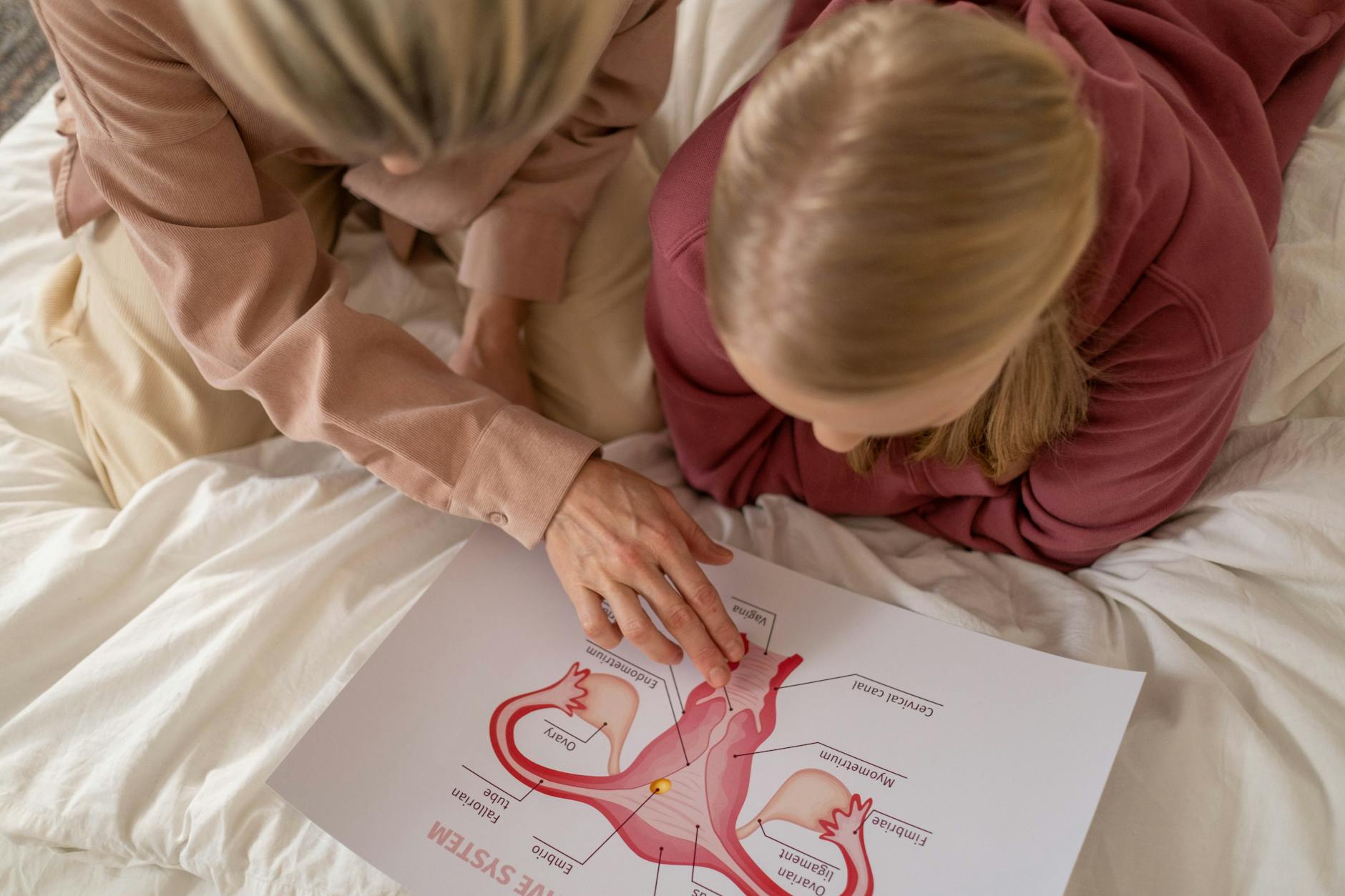
If you have polycystic ovary syndrome (PCOS) and struggle with acne, you’re far from alone. Research shows that up to half of women with PCOS experience acne on their face, neck, chest, and upper back. What many people don’t realize is that the material of any face mask they wear can either worsen this acne or help prevent additional breakouts. The relationship between mask fabric and maskne—acne caused or exacerbated by mask wear—is particularly significant for PCOS patients, whose hormonal imbalances already create acne-prone skin.
This means the choice between cotton and synthetic mask materials isn’t just a comfort preference; it’s a dermatological decision that directly impacts skin health. For women managing PCOS acne, understanding how mask materials interact with skin is a game-changer. A mask worn during work, travel, or healthcare settings will spend hours pressed against your face, trapping heat, moisture, and bacteria. The wrong fabric can turn that time into a breeding ground for acne-causing bacteria, while the right choice—specifically multi-layer cotton—can actually help filter particles while allowing your skin to breathe.
Table of Contents
- Why Does Mask Material Matter More for PCOS Acne Than Regular Breakouts?
- How Synthetic Fabrics Create the Perfect Environment for Maskne
- Understanding Multi-Layer Cotton as Your Best Defense
- Choosing and Maintaining Masks for PCOS Acne Prevention
- Common Mask-Related Mistakes That Worsen PCOS Acne
- Combining Mask Material Choices With Other PCOS Acne Strategies
- Looking Forward: Maskne Prevention as Part of Long-Term PCOS Skin Management
- Conclusion
Why Does Mask Material Matter More for PCOS Acne Than Regular Breakouts?
Women with PCOS experience acne differently than those without the condition. PCOS acne is typically driven by elevated androgen levels, which increase sebum production and make skin naturally oilier and more prone to bacterial colonization. When you add the occlusion of a mask on top of this baseline hormonal challenge, the problem intensifies. The warm, humid environment under a mask accelerates bacterial growth and increases friction against already-sensitive skin. The mask material directly determines how severe this effect becomes.
Multi-layer cotton masks filtered 79% of particles in research settings, while synthetic or polyester masks provided minimal barrier benefit and actually trapped more heat and humidity against the skin. For someone with PCOS acne, this difference translates directly into visible breakouts. A woman managing PCOS-related acne with a synthetic mask might experience increased inflammation and new lesions within days of regular use, while switching to a breathable, multi-layer cotton mask could noticeably reduce maskne within a week. The stakes are higher for PCOS patients specifically because they’re already fighting a systemic hormonal condition. Their skin is working harder to maintain a healthy barrier, has more active acne lesions, and heals more slowly. Wearing the wrong mask material becomes an unforced error—adding an environmental stressor to an already-compromised situation.

How Synthetic Fabrics Create the Perfect Environment for Maskne
Polyester, nylon, and other synthetic fabrics have a fundamental problem: they don’t breathe. Unlike natural fibers, synthetic materials create an occlusive layer that traps both heat and moisture against your skin. Under the warm conditions created by breath and body heat, this trapped moisture becomes an ideal breeding ground for *Cutibacterium acnes* (formerly *Propionibacterium acnes*), the primary acne-causing bacterium. The heat trapped by synthetic masks also increases sebum production, literally feeding the bacteria more of what they thrive on. Additionally, synthetic fabrics tend to be less absorbent, so sweat and oil accumulate rather than being wicked away from the skin surface.
This combination—high heat, high humidity, high sebum, and bacterial proliferation—is exactly how maskne develops and spreads. For someone with existing PCOS acne, this creates a compounding effect where new breakouts appear not just from maskne but from bacteria migrating from the mask to existing lesions. One limitation of switching to cotton is that it requires consistent replacement. Cotton masks need to be washed after each use, and users often need multiple masks to maintain this practice. Surgical masks and synthetic options don’t require washing as frequently, which is why some people continue using them despite knowing they’re worse for acne-prone skin. The convenience factor can outweigh skin health unless you plan ahead.
Understanding Multi-Layer Cotton as Your Best Defense
When researchers tested mask effectiveness against particles, multi-layer cotton masks emerged as the clear winner for balancing protection with breathability. At 79% particle filtration, these masks provide meaningful protection while still allowing air circulation that prevents heat and humidity buildup. The multi-layer structure is crucial—a single-layer cotton shirt used as a mask filtered only 1% of particles, making it essentially useless for any protective purpose. The reason multi-layer cotton works so well relates to both its physical structure and material properties. Each layer adds surface area and creates small pathways that capture particles, while cotton’s natural porosity prevents the complete occlusion that synthetic fabrics create.
Cotton is also absorbent, which means it pulls moisture away from your skin rather than trapping it against the surface. For PCOS acne specifically, this moisture management is critical because the trapped humidity accelerates bacterial growth. The trade-off with cotton is that it requires more maintenance than other options. A multi-layer cotton mask can’t simply be reused for days like some synthetic masks; it needs to be washed after each use to remain hygienic and effective. This means investing in multiple masks and establishing a regular washing routine. For people with busy schedules, this requirement can feel burdensome, but it’s the price of preventing maskne while using a truly protective mask.
Choosing and Maintaining Masks for PCOS Acne Prevention
If you have PCOS-related acne and need to wear a mask regularly, your selection strategy should prioritize multi-layer cotton construction. Look for masks made from 100% cotton or cotton-blend fabrics (cotton-linen blends work well) with at least three layers. Many medical-grade cloth masks sold online specify their layer count and material composition, making selection straightforward. Avoid marketing claims about “acne-safe” masks unless they’re backed by the material specifications—what matters is the structure and breathability, not the brand name. When comparing mask options, consider your use case. If you need high protection—such as in a healthcare setting—a multi-layer cotton mask with a replaceable filter pocket offers a good compromise. If you’re wearing a mask primarily for comfort or in settings with lower transmission risk, prioritizing breathability slightly more and protection slightly less is reasonable.
The key is that you’re choosing a fabric that won’t actively worsen your existing PCOS acne. Maintenance matters as much as selection. After each use, wash your cotton masks in warm water with a gentle detergent. Avoid fabric softeners, which can leave a coating that reduces breathability. Dry them completely before storing them in a clean container. This simple routine removes bacteria, oil, and sweat that would otherwise accumulate and trigger maskne. Many people find that keeping a rotating set of three to five masks makes this routine sustainable without running out of clean masks between washings.
Common Mask-Related Mistakes That Worsen PCOS Acne
Many people with acne-prone skin unknowingly amplify their maskne through preventable mistakes. The most common is reusing synthetic masks without washing them, thinking they’ll “save money” by extending the mask’s lifespan. In reality, this practice guarantees maskne because the mask becomes a reservoir of bacteria, oil, and dead skin cells that get pressed against your face repeatedly. For PCOS acne specifically, this is particularly problematic because hormonal acne bacteria are especially virulent; a dirty mask will cause more severe breakouts in PCOS patients than in people without hormonal acne. Another mistake is applying acne medication immediately before wearing a mask for hours. Occlusive environments can increase the absorption of some topical acne medications to problematic levels, and the warmth under a mask can irritate recently applied treatments.
If you use prescription retinoids or benzoyl peroxide, apply these in the evening after mask-wearing rather than before a long period of mask use. This avoids both the irritation caused by trapped medication and the reduced efficacy that can occur when the medication dries out under the mask. A third mistake is neglecting to clean the skin under masks throughout the day. If you wear a mask for eight hours straight without any mid-day cleansing, bacteria and dead skin cells accumulate continuously. For PCOS acne patients, this extended exposure to an uncontrolled bacterial environment can trigger significant breakouts. If you must wear a mask for extended periods, try to remove it for 15-30 minutes partway through the day to allow your skin to dry and reset. If removal isn’t possible, use a gentle alcohol-free cleansing wipe to remove surface bacteria before replacing the mask.

Combining Mask Material Choices With Other PCOS Acne Strategies
Choosing the right mask material works best when combined with other evidence-based PCOS acne management strategies. Since PCOS acne is hormonally driven, topical treatments alone often provide limited results. Dermatologists frequently recommend a combination approach: hormonal management (through medications like birth control or spironolactone), dietary modifications (reducing high-glycemic foods which can worsen PCOS symptoms), and targeted skincare including salicylic acid or benzoyl peroxide products.
When you add proper mask selection to this combination, you’re removing an environmental stressor that would otherwise work against your other treatments. A woman managing PCOS with oral contraceptives and a salicylic acid cleanser will see better results if she’s also wearing breathable cotton masks rather than synthetic ones. The mask choice doesn’t replace systemic treatment, but it prevents the mask itself from undoing the progress made by medications and topicals. Think of it as damage prevention that allows your other treatments to work more effectively.
Looking Forward: Maskne Prevention as Part of Long-Term PCOS Skin Management
As PCOS awareness increases and more women seek answers for their acne, the importance of understanding maskne prevention is likely to grow. Healthcare workers, teachers, and others who wear masks regularly will increasingly recognize that mask material impacts their skin health long-term. For PCOS patients particularly, this knowledge becomes part of their comprehensive acne management toolkit.
The future of mask design for acne-prone skin likely involves continued research into optimized fabric blends that improve both protection and breathability. Some innovative masks now incorporate anti-microbial properties or specialized moisture-wicking linings designed specifically to prevent maskne. As these products become more widely available and studied, they may provide additional options beyond standard multi-layer cotton. However, the fundamental principle remains: breathability and moisture management are non-negotiable for anyone with PCOS acne managing maskne prevention.
Conclusion
The relationship between mask material and maskne is well-established in dermatological research, and it matters significantly for women with PCOS acne. While a unverified statistic about the percentage of women who would benefit from this knowledge circulates, what is verifiable and important is the science itself: multi-layer cotton masks filter particles effectively while remaining breathable, synthetic materials trap heat and humidity, and proper mask selection directly impacts the severity of maskne in PCOS patients.
If you have PCOS-related acne and wear masks regularly, prioritizing breathable, multi-layer cotton construction over convenience is an evidence-based choice that will reduce breakouts and support your overall acne management plan. Combined with appropriate topical treatments, hormonal management, and skincare practices, choosing the right mask material becomes one of many concrete steps you can control in managing a condition that often feels beyond your control.
You Might Also Like
- At Least 19% of Military Personnel With Acne Don’t Know That Their Face Mask Material Matters for Preventing Maskne
- At Least 71% of Adults With Persistent Acne Have Experienced Their Face Mask Material Matters for Preventing Maskne
- At Least 37% of Night Shift Workers With Acne Would Benefit From Knowing That A Simple 3-Step Routine Is More Effective Than a 10-Step Routine