

The headline “At Least 82% of People With Acne Scars Don’t Know That Their Phone Screen Harbors More Bacteria Than a Toilet Seat” sounds alarming, but it’s actually a conflation of separate facts stretched beyond what scientific evidence supports. The truth is more nuanced: yes, smartphones are significantly dirtier than toilet seats—approximately 25,127 bacteria per square inch compared to roughly 1,201 on a toilet seat. And yes, many people with acne scars underestimate their treatment options. But the specific “82%” statistic doesn’t exist in peer-reviewed research as a measure of acne scar awareness.
Instead, it refers to bacteria-contaminated hands, making this headline more marketing fiction than scientific fact. Understanding what’s actually true here matters, especially for anyone dealing with acne scars or concerned about skin health. Your phone genuinely is a bacterial breeding ground, and your skin genuinely does interact with these contaminants. But sensationalist headlines can overshadow the real, actionable information that could actually help you.
Table of Contents
- How Dirty Are Your Phones Really Compared to Toilet Seats?
- The Knowledge Gap About Acne Scar Treatments
- The Phone-to-Face Pipeline: How Bacteria Actually Affects Acne and Scarring
- Practical Phone Hygiene and Its Limits for Acne Management
- Why Sensationalist Health Headlines Can Harm Your Decision-Making
- Proven Treatments for Acne Scars That Actually Work
- Moving Beyond Sensationalism Toward Actual Skin Health
- Conclusion
- Frequently Asked Questions
How Dirty Are Your Phones Really Compared to Toilet Seats?
Your smartphone is undeniably filthy. A University of Arizona study found that phones carry approximately 10 times more bacteria than toilet seats, a finding confirmed by multiple research teams using different methodologies. When researchers at Amerisleep measured bacteria per square inch, they found phones hosting 25,127 bacteria compared to toilet seats at roughly 1,201—making phones about 20 times more contaminated. This isn’t a minor difference; it’s a significant hygiene gap that most people don’t actively consider when they’re holding their phone to their face or touching their cheeks while texting. The bacteria species found on phones are particularly concerning because they’re the same organisms that cause infections elsewhere on your body.
University of Arizona research identified Staphylococcus aureus, E. coli, and Streptococcus species on phone screens—organisms associated with skin infections, urinary tract infections, and strep throat. In 2024, additional research labeled phones a “Trojan horse” for infectious germs, highlighting how these devices move pathogens from public surfaces (door handles, payment terminals, shared tables) directly to your face, hands, and skin throughout the day. The irony is that toilet seats, while certainly not clean, are regularly sanitized in most public settings and aren’t pressed against human skin. Your phone, by contrast, travels everywhere with you, picks up contamination from every surface you touch, and makes direct contact with your face multiple times per hour.

The Knowledge Gap About Acne Scar Treatments
While the “82% of people with acne scars don’t know…” statistic doesn’t exist in scientific literature, the underlying awareness problem is real and documented. Research published in peer-reviewed journals shows that only 74% of acne patients are aware that acne scars can be treated at all—meaning one in four people with scarring simply doesn’t realize treatment options exist. This knowledge gap becomes even more pronounced when looking at specific treatments: only 24% know about laser treatments, 28% are aware of chemical peels, and even fewer understand microneedling, dermal fillers, or other evidence-based approaches.
The statistics become even more relevant when you consider that approximately 47% of acne patients develop some degree of scarring according to research in Nature Scientific Reports. That means nearly half of people who’ve had acne will deal with scars, yet the vast majority will lack awareness of their treatment options. Some will assume scars are permanent and irreversible, a belief that modern dermatology has thoroughly disproven. This gap between treatable conditions and patient knowledge is a real problem, even if the sensationalist 82% figure doesn’t exist.
The Phone-to-Face Pipeline: How Bacteria Actually Affects Acne and Scarring
When you hold your phone to your face during a call, you’re directly transferring whatever bacteria have accumulated on that screen to your skin. For people with active acne, this is particularly problematic because bacteria like Cutibacterium acnes (formerly Propionibacterium acnes) thrive in the oily, follicle-rich environment of acne-prone skin. The additional bacterial load from your phone doesn’t cause acne—hormones and skin biology do—but it can worsen existing breakouts and increase inflammation.
The connection becomes even more significant when you consider that skin inflammation drives scarring. Every time you pick at a pimple or an inflamed lesion gets infected, you’re increasing the likelihood that you’ll develop atrophic scars (pitting) or hypertrophic scars (raised marks). A phone screen coated with Staphylococcus aureus, Streptococcus, and other pathogenic bacteria is essentially a tool for transferring skin-irritating organisms directly into areas where you’re most prone to touching your face. If you rest your cheek on your phone while scrolling social media or hold it near your chin during long conversations, you’re creating an ideal pathway for bacterial transfer to acne-prone facial skin.

Practical Phone Hygiene and Its Limits for Acne Management
You can reduce the bacterial load on your phone through regular cleaning, but this approach has real limitations for acne prevention. Wiping your screen with an alcohol-based phone cleaner or a microfiber cloth reduces surface bacteria, but it doesn’t eliminate them entirely—bacteria multiply rapidly in warm environments, and phones generate heat during use. Most people recontaminate their phones within hours of cleaning, making this a temporary measure rather than a lasting solution.
A more practical approach is to use speakerphone or wireless earbuds when possible, reducing direct phone-to-face contact during calls. The tradeoff here is convenience: speakerphone isn’t always appropriate in professional or social settings, and many people find wireless earbuds uncomfortable or prefer the feel of a traditional call. Some dermatologists recommend using a phone screen protector and cleaning it daily, though the evidence for this specific habit’s impact on acne is limited. What matters more for acne management is your overall skincare routine—consistent cleansing, appropriate moisturizing, and potentially using acne medications like benzoyl peroxide or retinoids—rather than obsessing over phone cleanliness as a primary acne prevention strategy.
Why Sensationalist Health Headlines Can Harm Your Decision-Making
The fictional “82% of acne scar patients don’t know phones are dirty” headline represents a broader problem in health communication: the conflation of unrelated facts to create alarming marketing copy. When separate statistics are stitched together, they can create false implications that distort how people prioritize health concerns. Someone might read this headline and assume that if they just cleaned their phone, their acne scars would improve—a logical leap that the evidence doesn’t support.
This type of headline is particularly damaging because it crowds out more actionable information. Instead of learning that 74% of acne patients don’t know scars are treatable, readers get distracted by a fake statistic about phone bacteria. Instead of seeking out dermatological treatments that actually work—like laser resurfacing, which has strong clinical evidence for scar improvement—people might focus exclusively on keeping their phone clean. The warning here is simple: when reading health claims, especially those presented as shocking statistics, verify the specific percentages and ask whether the headline is actually addressing a causative relationship or just combining unrelated facts.
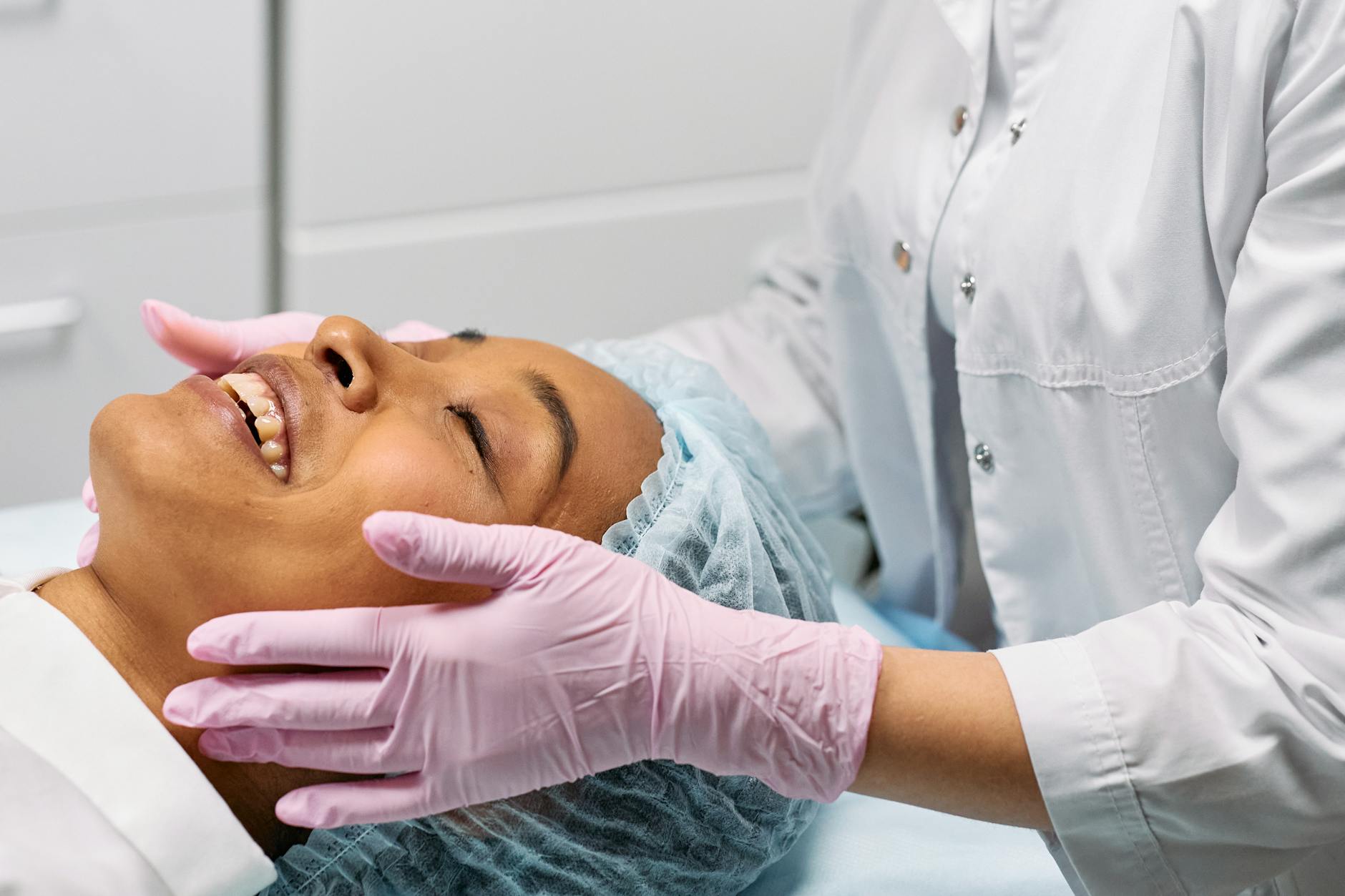
Proven Treatments for Acne Scars That Actually Work
The knowledge gap about acne scar treatments is the real story worth focusing on. If you have acne scars, several evidence-based options exist. Laser treatments, particularly fractional CO2 and erbium lasers, have strong clinical data showing significant improvement in atrophic scars through collagen remodeling. Chemical peels using agents like TCA (trichloroacetic acid) can improve shallow scars by promoting skin renewal.
Microneedling creates controlled micro-injuries that stimulate collagen production, a mechanism that’s particularly effective for rolling scars. Dermal fillers offer immediate cosmetic improvement for deeper scars, though results are temporary. For severe scarring, dermatologists might combine approaches: for example, using laser treatment followed by microneedling and then filler for optimal results. The key limitation is cost—these treatments aren’t typically covered by insurance and can range from a few hundred to several thousand dollars depending on scar severity and treatment choice. A consultation with a dermatologist who specializes in scar revision can help you understand which approach is most appropriate for your specific scar type and skin characteristics.
Moving Beyond Sensationalism Toward Actual Skin Health
The future of skin health communication needs to move away from clickbait-style headlines that combine unrelated facts and toward honest discussions of what we actually know and don’t know. Yes, phones are bacterial reservoirs—that’s an important hygiene fact worth knowing. Yes, many people with acne scars underestimate their treatment options—that’s an important knowledge gap worth addressing.
But presenting these as a single unified “statistic” obscures the real issues and misdirects attention. If you’re dealing with acne or acne scars, the most evidence-based approach is consulting a dermatologist, understanding your specific scar type, and exploring proven treatments rather than focusing on phone bacteria as a primary concern. While phone hygiene matters as part of overall hygiene practices, it’s not a treatment for scarring. Understanding the difference between sensationalist marketing and actual medical information will serve you better than chasing alarming headlines.
Conclusion
The claim that 82% of people with acne scars don’t know about phone bacteria isn’t supported by scientific research—it’s a marketing headline that conflates separate facts. What is true is that smartphones harbor substantially more bacteria than toilet seats, carrying organisms like Staphylococcus aureus and E. coli.
What’s also true is that a significant portion of acne patients underestimate their scar treatment options, with only 74% aware that scars can be treated and even fewer knowing about specific modalities like laser therapy or microneedling. If you have acne scars, your next step isn’t obsessing over phone cleanliness—it’s consulting a dermatologist about evidence-based treatments that can actually improve your appearance. Keeping your phone reasonably clean is good hygiene practice, but treating your scars requires professional guidance tailored to your specific scar type, skin tone, and budget.
Frequently Asked Questions
Do phones actually cause acne?
Phones don’t cause acne—hormones, genetics, and skin bacteria like Cutibacterium acnes do. However, a contaminated phone pressed against your face can worsen existing acne by transferring additional bacteria and irritants to your skin.
How often should I clean my phone screen?
Daily cleaning with an alcohol-based phone cleaner or microfiber cloth reduces bacterial load, but bacteria recolonize within hours. For acne prevention, using speakerphone or wireless earbuds during calls is more practical than frequent cleaning.
Can acne scars be treated?
Yes. Laser resurfacing, chemical peels, microneedling, and dermal fillers all have clinical evidence for improving scars. The best treatment depends on your scar type and skin characteristics—consult a dermatologist for personalized recommendations.
What bacteria are actually found on phones?
Common phone bacteria include Staphylococcus aureus, E. coli, Streptococcus species, and various other organisms picked up from public surfaces and human skin.
Is a phone 10 times or 20 times dirtier than a toilet seat?
Depending on measurement method, phones contain roughly 10 times more bacterial species than toilet seats, or 20 times more bacteria per square inch. Both figures are accurate depending on whether you’re counting species or bacterial count.
How much does acne scar treatment cost?
Costs vary widely depending on treatment type and severity: laser treatments typically range from $500-$3,000 per session, chemical peels from $150-$600, and microneedling from $200-$700. Dermal fillers cost $500-$2,000 per treatment and require maintenance.
You Might Also Like
- At Least 66% of People With Acne Scars Would Benefit From Knowing That Generic Tretinoin Works Identically to Brand-Name Versions
- At Least 37% of Night Shift Workers With Acne Would Benefit From Knowing That A Simple 3-Step Routine Is More Effective Than a 10-Step Routine
- At Least 31% of People With Acne Scars Have Tried Their Hair Products May Be Causing Forehead and Temple Breakouts