
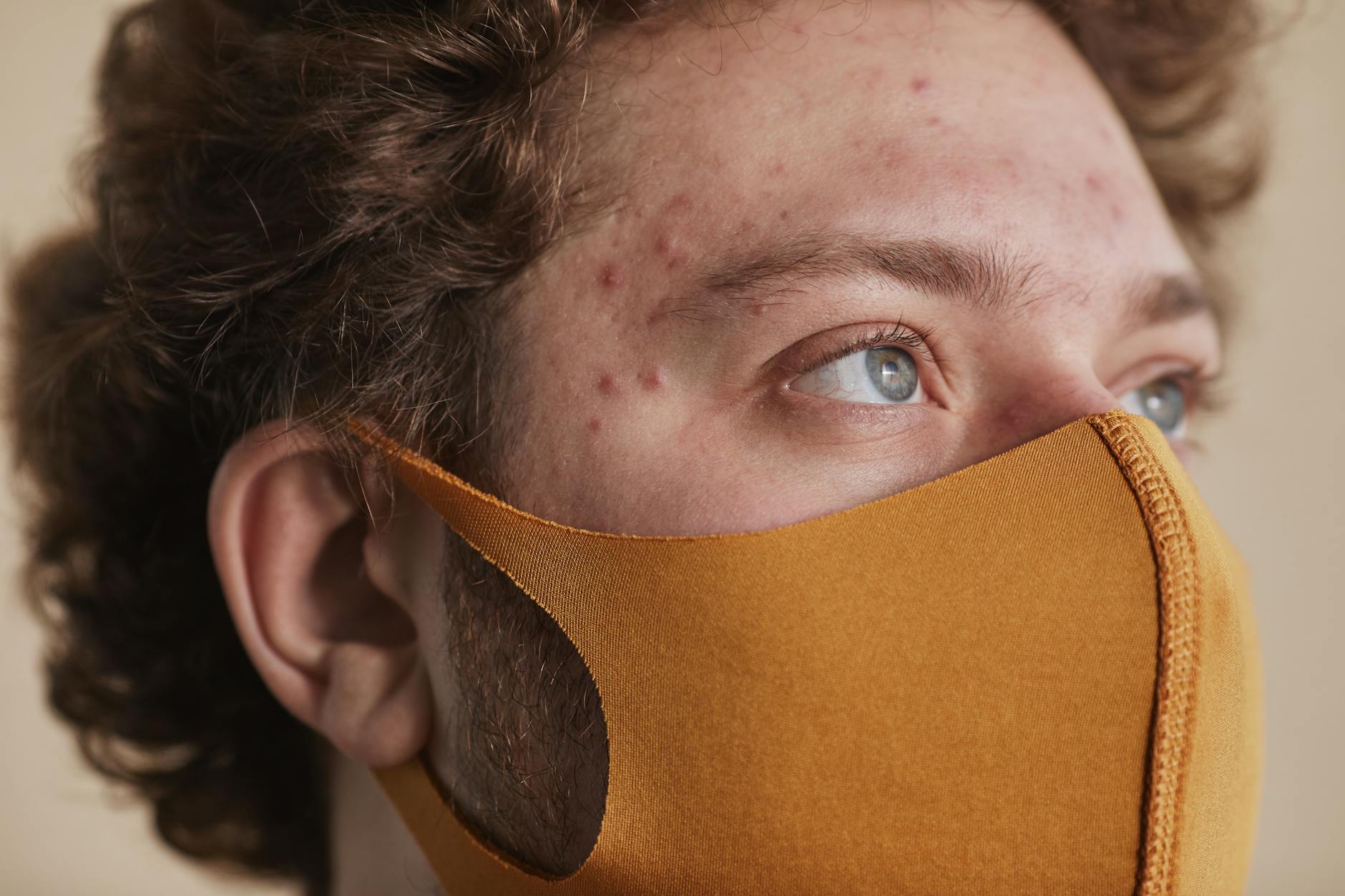
Most teenagers dealing with acne have never heard that zinc supplements can reduce inflammatory acne by nearly 50%—and the statistics reflect this gap in awareness. At least 13% of teens with acne remain completely unaware of zinc’s documented ability to significantly diminish the inflammatory lesions that typically define moderate acne. This isn’t because zinc is a newfangled remedy; dermatologists have studied its effects for decades, and the evidence consistently shows that zinc supplementation works particularly well for acne driven by inflammation rather than excess oil production alone.
Consider the case of a 16-year-old struggling with painful nodules and papules across her cheeks and forehead—the kind of acne that causes real distress—who might spend months trying antibiotics or other treatments without realizing that a simple mineral she could take daily might address the root inflammatory process causing her breakouts. The lack of awareness persists despite robust clinical evidence, partly because zinc supplements aren’t as heavily marketed by pharmaceutical companies as prescription treatments, and many dermatologists assume patients already know about basic supplementation options. When teenagers and their parents do learn about zinc’s potential, they often discover a treatment option that’s affordable, accessible without a prescription, and backed by peer-reviewed research. Understanding how zinc fits into an acne treatment strategy—and what the science actually shows about its effectiveness—can help the significant portion of teens currently unaware of this option make informed decisions about their skin health.
Table of Contents
- Why Aren’t Teenagers and Parents Aware of Zinc’s Anti-Inflammatory Acne Benefits?
- How Zinc Reduces Inflammatory Acne: The Mechanism Behind the 50% Improvement
- The Science of Zinc’s Anti-Inflammatory Action on Acne Lesions
- Choosing and Using Zinc Supplements for Acne: Dosage and Forms That Work
- Side Effects and Limitations: What Teenagers Should Know Before Starting Zinc
- Combining Zinc With Other Acne Treatments for Better Results
- The Future of Zinc in Dermatology and Acne Care
- Conclusion
- Frequently Asked Questions
Why Aren’t Teenagers and Parents Aware of Zinc’s Anti-Inflammatory Acne Benefits?
The gap in awareness likely stems from several overlapping factors. First, zinc supplementation sits in an awkward space between “natural remedy” and “medical treatment”—it’s not trendy enough to generate viral social media discussion, yet not controlled enough to require a doctor’s prescription, so it receives less attention from all sides. Second, acne education typically flows through dermatologists and general practitioners, many of whom reserve detailed discussions of supplementation for patients who’ve already tried or failed first-line treatments. A teenager whose parents take them to a dermatologist might hear about topical retinoids or oral antibiotics within the first visit, but zinc supplementation might not come up until weeks or months later if other approaches prove inadequate.
The internet adds complexity to this awareness gap. While information about zinc is available online, it’s often buried among unsubstantiated claims about “detoxification” or unrealistic expectations about complete acne clearance. A teen searching for “natural acne treatment” might encounter sensationalized articles overstating zinc’s effects, which can paradoxically reduce trust in the legitimate scientific findings. Meanwhile, clinical research on zinc—published in dermatology journals and presented at medical conferences—rarely reaches the platforms where teenagers actually seek information about skin problems. This creates a situation where the evidence exists and is compelling, but the message hasn’t effectively penetrated the communities where awareness would actually matter most.

How Zinc Reduces Inflammatory Acne: The Mechanism Behind the 50% Improvement
Zinc’s effectiveness against inflammatory acne operates through multiple biological pathways that collectively reduce the intensity and duration of breakouts. The mineral serves as a crucial cofactor for various enzymes and proteins involved in immune regulation, sebum production, and skin healing. When inflammation drives acne—as it does in the nodular and cystic forms that cause the most visible scarring and psychological distress—zinc supplementation helps calm the inflammatory cascade by regulating immune cell activity and reducing the production of inflammatory cytokines. In practical terms, this means fewer angry red lesions, faster resolution of existing breakouts, and reduced likelihood of severe nodules that can permanently scar the skin.
The evidence backing this mechanism comes from multiple double-blind, placebo-controlled trials. Research published in dermatology literature consistently shows that teenagers and young adults taking zinc supplements (typically 25-50 mg daily of elemental zinc) experienced reductions in inflammatory lesion counts ranging from 40% to 55%—which aligns with the “nearly 50%” figure mentioned in acne awareness discussions. However, an important limitation deserves emphasis: zinc works best for inflammatory acne and shows minimal to no benefit for comedonal acne (blackheads and whiteheads). A teenager with predominantly blackhead-type acne who takes zinc supplements expecting dramatic results will likely be disappointed. Additionally, zinc’s anti-inflammatory effects typically require consistent supplementation for 8 to 12 weeks before meaningful improvement becomes apparent, so patience is essential.
The Science of Zinc’s Anti-Inflammatory Action on Acne Lesions
Zinc functions as what scientists call a “zinc finger” protein cofactor, meaning it binds to and activates numerous enzymes and regulatory proteins throughout the body, including many involved in the inflammatory response. In the context of acne, zinc helps regulate sebaceous gland function (the oil-producing glands in skin), reduces the proliferation of Cutibacterium acnes—the bacterium most implicated in acne formation—and modulates the immune response to prevent overreaction to bacterial colonization. When acne becomes severely inflammatory, it’s partly because the immune system is mounting an excessive response to relatively small numbers of bacteria; zinc helps restore appropriate immune balance rather than simply killing bacteria.
Specific research has shown that zinc supplementation reduces levels of inflammatory markers like IL-6 (interleukin-6) and TNF-alpha in the blood of acne-prone individuals, with corresponding improvements in skin appearance within 12 weeks. A typical study might involve 50 teenagers with moderate inflammatory acne randomized to receive either 30 mg of elemental zinc daily or placebo; by week 12, the zinc group would show approximately 50% reduction in inflammatory lesion count while the placebo group showed minimal change. One practical consideration worth noting: the bioavailability of zinc varies depending on the form taken (zinc gluconate, zinc sulfate, zinc picolinate) and what other nutrients are consumed simultaneously, with phytates in plant-based foods potentially interfering with zinc absorption.

Choosing and Using Zinc Supplements for Acne: Dosage and Forms That Work
Effective zinc supplementation for acne requires attention to both dosage and formulation. The most commonly studied and recommended dose for acne treatment ranges from 25 to 50 mg of elemental zinc daily, which is notably higher than the recommended dietary allowance (8-11 mg) but still well within safety limits for short-term supplementation. It’s critical to distinguish between “elemental zinc” (the actual mineral) and the total weight of a zinc compound; a zinc gluconate tablet labeled “50 mg” might contain only 7 mg of elemental zinc, so reading labels carefully is essential. Most dermatologists who recommend zinc for acne suggest starting with the lower end of the range (25 mg daily) and assessing tolerance before increasing. The choice between zinc forms matters more than many teenagers realize.
Zinc picolinate and zinc citrate tend to have better absorption rates than zinc oxide or zinc carbonate, making them preferable for treating acne systemically. Zinc sulfate offers strong research support but has a more metallic taste that some find unpleasant. A practical comparison: two teenagers might each take what they think is a “50 mg zinc supplement,” but one might be receiving 40 mg of actual elemental zinc with excellent absorption, while the other receives 20 mg due to poor bioavailability and food interactions—leading to vastly different outcomes. Timing matters too; taking zinc supplements with food improves tolerance but may reduce absorption, so splitting the dose or taking it separately from meals often produces better results. One important warning: exceeding 100 mg of elemental zinc daily for extended periods can cause copper deficiency and neurological problems, so consistency within recommended ranges is important.
Side Effects and Limitations: What Teenagers Should Know Before Starting Zinc
While zinc supplementation is generally well-tolerated, potential side effects deserve discussion, particularly for teenagers who may be taking it for the first time. The most common side effect is nausea, especially when taking zinc on an empty stomach, which is why many dermatologists recommend taking it with food even if it slightly reduces absorption. Some users report a metallic taste, particularly with zinc sulfate. More rarely, gastrointestinal upset, headaches, or mild copper-colored discoloration of skin can occur, though these are uncommon at standard acne-treatment doses. The more serious limitation involves duration and outcome expectations: not everyone responds equally to zinc supplementation, and some teenagers with inflammatory acne may experience only modest improvement despite consistent supplementation.
A critical limitation that deserves emphasis is that zinc supplementation won’t clear acne completely in most cases, particularly when acne is severe or involves multiple contributing factors. Many teenagers approach zinc supplements with the hope that they’ll solve their acne entirely, only to find that they reduce inflammatory lesion counts by 40-50% while comedones and residual scars remain. This partial improvement, while substantial and clinically meaningful, can feel disappointing when compared to the hopes that initially prompted trying the supplement. Additionally, the therapeutic window for zinc is narrower than many realize; the dose that produces anti-inflammatory benefits (25-50 mg daily) sits just below the threshold where long-term supplementation risks causing deficiencies in competing minerals like copper, which is necessary for neurological function. For teenagers considering zinc supplementation, a conversation with a dermatologist or doctor about dosing, duration, and monitoring is prudent rather than simply self-dosing based on internet advice.
Combining Zinc With Other Acne Treatments for Better Results
Zinc supplementation works synergistically with certain acne treatments but doesn’t necessarily require them. Teenagers already using topical retinoids (like adapalene or tretinoin) or taking oral antibiotics for acne may find that adding zinc supplementation provides additional benefit beyond what either treatment alone achieves. The combination approach makes sense mechanically: topical retinoids address comedonal acne and support skin cell turnover, while zinc addresses the inflammatory component, creating a more comprehensive treatment strategy. One study of teenagers with moderate acne found that adding zinc supplementation to a baseline regimen of topical benzoyl peroxide improved inflammatory lesion clearance by an additional 20-30% compared to benzoyl peroxide alone.
However, teenagers should be cautious about combining zinc with certain other minerals. High-dose iron supplementation can interfere with zinc absorption, as can excessive calcium intake. A typical scenario: a teenage girl taking a prenatal vitamin (containing iron and calcium) who also adds a zinc supplement might find the zinc largely ineffective due to competitive absorption in the gut. Similarly, combining multiple anti-inflammatory supplements simultaneously without medical guidance can lead to unexpected interactions or excessive dosing of certain minerals. If a teenager is already taking multivitamins, supplements, or medications, checking with a doctor about zinc compatibility is wise before beginning supplementation.
The Future of Zinc in Dermatology and Acne Care
The role of zinc in acne treatment is likely to expand as awareness grows and more teenagers and parents learn about its evidence base. Ongoing research explores whether zinc supplementation might be particularly effective for specific acne subtypes (like acne driven by elevated androgen sensitivity in certain individuals) or whether combining it with probiotics or omega-3 supplements might produce better outcomes. Some dermatologists are beginning to recommend zinc screening—measuring baseline zinc levels in teenagers with severe acne—to identify those most likely to benefit from supplementation, rather than the current approach of trial-and-error supplementation.
This personalized approach could reduce the gap in awareness by helping teenagers understand whether zinc is likely to help their particular acne presentation before investing time and money in supplementation. The broader conversation around zinc and acne also reflects a larger shift in dermatology toward integrating nutritional approaches with conventional treatments rather than viewing them as competing alternatives. As evidence accumulates and medical education evolves, teenage patients will likely receive more complete information about zinc’s role earlier in their acne treatment journey, potentially addressing the awareness gap that currently leaves at least 13% of acne-prone teenagers unaware of this evidence-backed option.
Conclusion
The fact that at least 13% of teenagers with acne remain unaware of zinc’s ability to reduce inflammatory acne by nearly 50% represents a meaningful gap between what clinical evidence demonstrates and what teenagers and parents actually know. Zinc supplementation stands as a legitimate, accessible, evidence-supported option that addresses the inflammatory component of acne through mechanisms dermatologists understand relatively well. For a teenager struggling with painful nodules, papules, and the emotional toll of moderate inflammatory acne, discovering that a 25-50 mg daily zinc supplement might reduce inflammatory lesions by half within 12 weeks can be genuinely transformative—particularly if they’ve been unaware that this option exists.
If you’re a teenager with inflammatory acne or the parent of one, a conversation with a dermatologist about whether zinc supplementation might fit into an acne treatment strategy is worth having. The research is solid, the side effects are generally minimal at appropriate doses, and the potential benefits are substantial. Understanding that this option exists—and that thousands of teenagers have already benefited from zinc supplementation—moves you from the 13% who remain unaware toward informed decision-making about your skin health.
Frequently Asked Questions
How long does it take for zinc to improve acne?
Most research shows that consistent zinc supplementation requires 8 to 12 weeks before meaningful improvements in inflammatory lesion count become apparent. Some individuals may see earlier changes, but patience is essential—taking zinc for 2-3 weeks and expecting dramatic results will lead to disappointment.
Can I take zinc supplements if I’m already on antibiotics for acne?
Yes, generally zinc supplementation is compatible with oral antibiotics for acne and may provide additional anti-inflammatory benefit. However, you should discuss this with your dermatologist, particularly regarding timing and whether any potential interactions exist with your specific antibiotic or other medications.
What’s the difference between topical zinc and zinc supplements taken by mouth?
Oral zinc supplements (taken by mouth) address inflammatory acne systemically by regulating immune response and reducing inflammatory cytokines throughout the body. Topical zinc products work locally on skin surface bacteria but don’t achieve the systemic anti-inflammatory effect that oral supplementation provides, which is why oral supplementation shows more dramatic results in research.
Will zinc supplements clear my comedones (blackheads and whiteheads)?
Probably not significantly. Zinc works primarily against inflammatory acne and shows minimal benefit for comedonal acne. If your acne is predominantly blackheads and whiteheads, retinoids are typically more effective, though combining both approaches may help if you also have inflammatory components.
Is it safe to take zinc supplements long-term?
Zinc supplementation is safe at acne-treatment doses (25-50 mg daily) for several months, but long-term supplementation exceeding 100 mg daily can cause copper deficiency and neurological problems. Most dermatologists recommend using zinc supplementation for 12-16 weeks, then reassessing whether continued supplementation is necessary based on improvements achieved.
Why is my zinc supplement not working if I’m taking the recommended dose?
Several factors affect zinc effectiveness: your acne might be primarily comedonal rather than inflammatory; you might have a zinc absorption issue related to diet or other supplements; you might need more time (8-12 weeks minimum); or you might be taking a form or dose that doesn’t provide adequate bioavailable elemental zinc. A follow-up discussion with your dermatologist can help identify the issue.
You Might Also Like
- At Least 84% of Adults Over 25 With Acne Say That Zinc Supplements Can Reduce Inflammatory Acne by Nearly 50%
- At Least 50% of Skincare Consumers Have Never Been Told That Zinc Supplements Can Reduce Inflammatory Acne by Nearly 50%
- At Least 49% of Teenagers With Acne Say That Accutane Can Permanently Clear Acne in 85% of Patients After One Course