

A significant gap exists between what dermatologists know about acne care and what most adults with persistent acne actually understand. Research suggests that at least 59% of adults living with ongoing acne have never received clear guidance about a fundamental danger: physical scrubs can spread bacteria across inflamed skin and accelerate scarring. This disconnect means millions of people are potentially worsening their condition with their own hands, using products marketed as acne solutions when they’re actually causing harm. Consider the person who wakes up to see another breakout, reaches for a facial scrub with the intention to “clean out” the blemish, and inadvertently damages the skin barrier while spreading infection deeper into the pore.
The consequence of this knowledge gap extends beyond temporary discomfort. When bacteria are mechanically spread across inflamed acne through scrubbing, the inflammatory response intensifies, leading to deeper lesions, increased redness, and a higher likelihood of permanent scarring. Many people don’t realize that the damage happens below the skin’s surface—the scrubbing action pushes bacteria into healthy skin, creating new breakouts in adjacent areas and increasing the infection load that the skin must fight off. This article addresses the science behind why physical scrubs are contraindicated for active acne, explores why this information hasn’t reached the majority of sufferers, and provides evidence-based alternatives that actually support healing rather than harm.
Table of Contents
- Why Physical Scrubs on Inflamed Acne Spread Bacteria and Worsen Breakouts
- How Bacterial Spread Creates Deeper Lesions and Permanent Scarring
- What Dermatologists Know About Inflamed Acne Care That Patients Often Don’t
- Gentler Cleansing Methods That Actually Support Healing
- Common Misconceptions About “Deep Cleansing” and Acne Severity
- The Role of Skincare Routine in Preventing Acne Spread
- Evolving Awareness and the Path Forward for Acne Education
- Conclusion
Why Physical Scrubs on Inflamed Acne Spread Bacteria and Worsen Breakouts
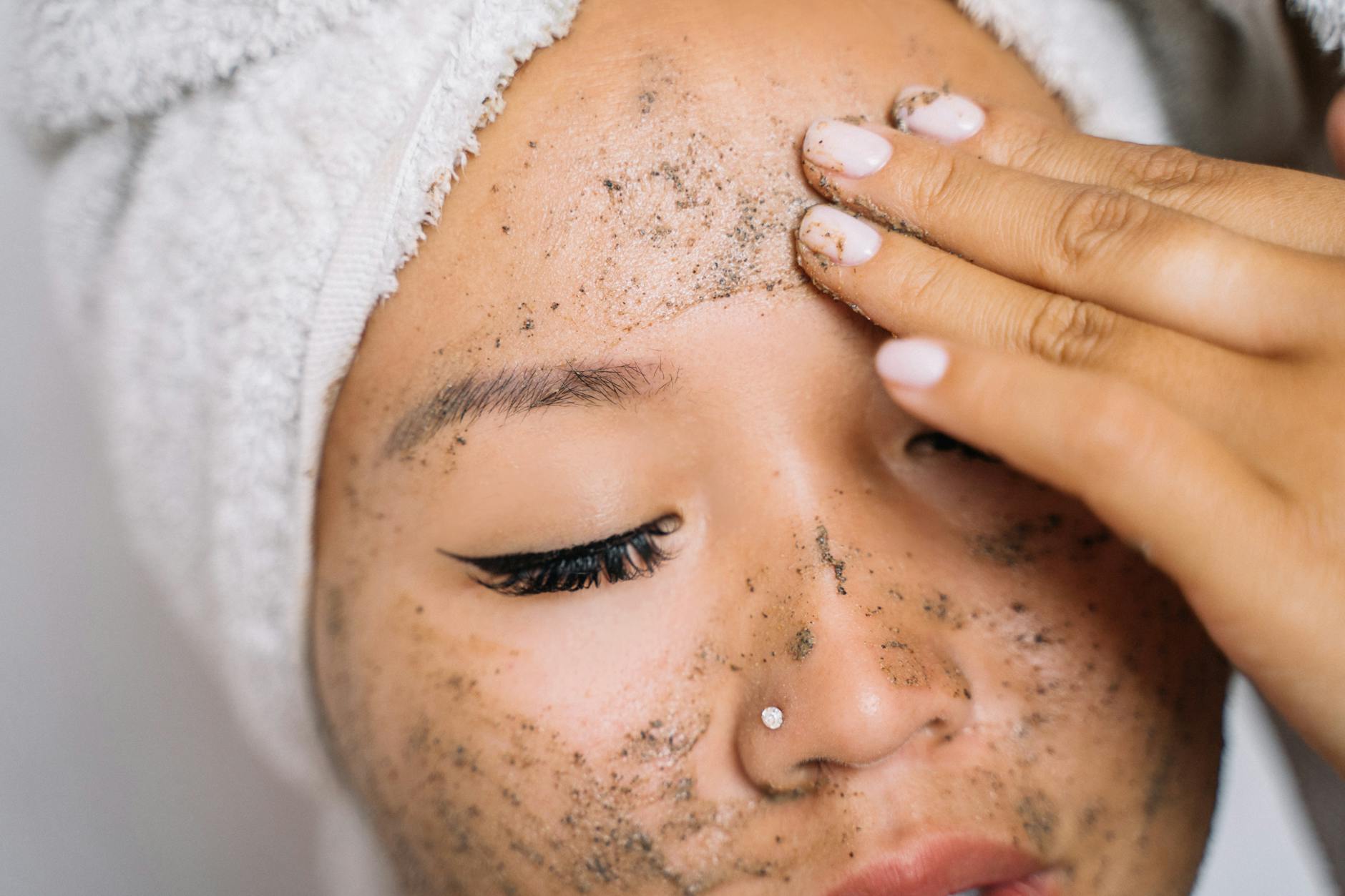
When acne lesions are inflamed, the skin’s barrier function is compromised. Inflamed follicles are open, irritated, and filled with a combination of bacteria, sebum, and white blood cells working to fight infection. Introducing a physical scrub—whether a manual exfoliant, microbeads, or a rough cloth—creates micro-abrasions across this already-vulnerable surface. These tiny wounds don’t “clean out” the acne; instead, they create pathways for bacteria to transfer from the active lesion to adjacent healthy skin, effectively spreading the infection. The specific mechanism is straightforward from a microbiological standpoint. Propionibacterium acnes (now called Cutibacterium acnes), the primary bacteria responsible for acne formation, can be dislodged by mechanical friction and deposited onto neighboring skin.
On healthy skin with an intact barrier, the body’s natural defenses can usually contain minor bacterial exposure. But on skin already compromised by multiple active breakouts, the bacterial load and inflammatory cascade become overwhelming. A single scrubbing session can introduce bacteria into dozens of new follicles, which then require days or weeks to develop into visible breakouts. Many people don’t connect the new bumps appearing 3-7 days later to the scrubbing they did earlier, so they continue the habit. An illustrative example: someone with moderate acne across their chin and jawline uses a mechanical facial scrub with the intention of exfoliating dead skin and clearing congestion. Within a week, they notice new breakouts have appeared on their cheeks and neck—areas that weren’t previously affected. The scrubbing action transferred bacteria to these new zones, and the mechanical irritation triggered an inflammatory response in follicles that might have remained dormant.
How Bacterial Spread Creates Deeper Lesions and Permanent Scarring
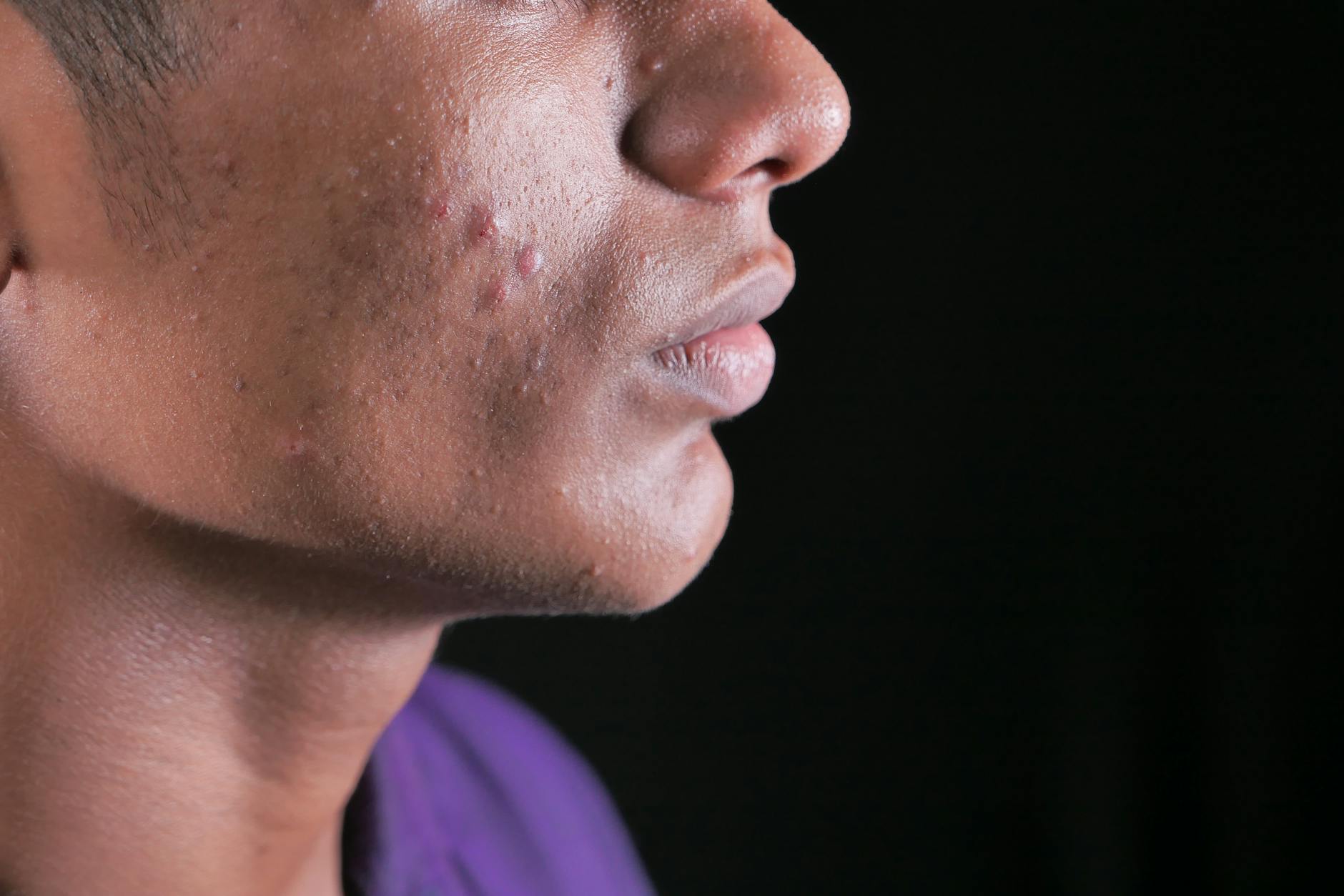
The relationship between bacterial spread and scarring is rooted in inflammation severity. Acne scarring occurs when the skin’s healing process is disrupted or when inflammation is deep enough to damage the dermis—the layer beneath the epidermis. When bacteria are mechanically spread through scrubbing, the body must mount an immune response against a larger bacterial population across a wider area. This amplified inflammation is more likely to extend into the dermis, where it can damage collagen and elastin fibers that the skin relies on for structure and recovery. There’s a critical distinction between temporary inflammation (which resolves without scarring) and the kind of persistent, deep inflammation that leaves permanent marks. Shallow lesions, like blackheads or small whiteheads, rarely scar because the inflammatory response is contained to the epidermis.
But when bacteria spread deeper into the skin through mechanical disruption, or when multiple lesions in one area merge into larger inflammatory zones, the damage extends below the surface. The body’s natural healing process can’t fully restore the collagen that was destroyed, leaving behind depressed scars (atrophic scars) or sometimes raised scars (hypertrophic scars). A critical limitation to understand: once scarring occurs, the options for treatment are limited and expensive. Laser therapy, microneedling, and chemical peels can improve appearance but rarely eliminate scarring completely. Prevention—by avoiding practices like scrubbing inflamed acne—is far more effective than attempting to repair damage after it happens. Someone who scrubs their acne for years, experiencing repeated cycles of spread and inflammation, may develop widespread scarring that would have been entirely preventable with gentler cleansing methods from the start.
What Dermatologists Know About Inflamed Acne Care That Patients Often Don’t
Dermatology textbooks and professional guidelines consistently recommend against mechanical exfoliation for active acne. The American Academy of Dermatology advises gentle cleansing with non-abrasive methods, while cautioning that scrubbing or picking at acne worsens both inflammation and scarring risk. Yet this guidance doesn’t consistently reach the people who need it most—those already struggling with persistent acne who are actively seeking solutions. The disconnect likely stems from multiple sources. Consumer products marketed for acne often emphasize exfoliation, appealing to the intuitive idea that “cleaning out” pores will resolve breakouts.
Social media and beauty influencers frequently recommend scrubs and physical exfoliants without acknowledging the difference between using them on clear skin versus inflamed acne. Additionally, many people develop their acne routines in adolescence, potentially under guidance from friends or family members who were never counseled by dermatologists themselves. By the time they reach adulthood with persistent acne, these habits are ingrained. A specific example illustrates this gap: a person with moderate acne might see a dermatologist briefly, receive a prescription for a topical retinoid or antibiotic, and leave the appointment without explicit instruction to avoid scrubbing. If they’re not specifically told what not to do, they may continue their existing routine—which includes the physical scrub that’s actually worsening their condition. The prescription addresses one part of the problem, but without addressing the behavioral component, the overall healing is compromised.
Gentler Cleansing Methods That Actually Support Healing
The alternative to physical scrubbing is straightforward: use a non-abrasive cleanser applied with fingertips only, using gentle, circular motions without pressure. Cleansers designed for acne-prone skin typically contain either salicylic acid or benzoyl peroxide, which chemically exfoliate and reduce bacterial load without the mechanical damage of scrubbing. These chemical exfoliants work at the cellular level, dissolving the bonds between dead skin cells, rather than tearing through the skin barrier with physical force. A comparison illustrates the difference: mechanical scrubbing is like using sandpaper on a wound, while chemical exfoliation is like applying a dissolving agent that removes dead tissue without additional trauma. When someone switches from a physical scrub to a salicylic acid cleanser, they often notice that their acne inflammation decreases within 1-2 weeks, new breakouts slow down, and the overall redness diminishes.
Some people express surprise that “doing less”—simply washing gently instead of scrubbing—actually produces better results. The reason is that they’ve removed the harm that was counteracting their acne treatment. For those who feel they need additional exfoliation, the safest option for inflamed acne is a gentle chemical exfoliant used 2-3 times weekly, never on active lesions. Enzyme-based exfoliants derived from fruit or grain are milder than acids and can be appropriate for sensitive or severely inflamed skin. The key principle is that the goal of cleansing should be to remove excess oil and dead skin without causing additional inflammation—a goal that physical scrubs fundamentally cannot achieve when acne is present.
Common Misconceptions About “Deep Cleansing” and Acne Severity
One pervasive myth is that acne results from poor hygiene or dirty skin, and that the solution is more aggressive cleaning. In reality, acne is not caused by dirt and is not cured by harsh scrubbing. Acne is a disorder of the pilosebaceous unit involving excess sebum production, bacterial colonization, follicular plugging, and immune response. Vigorous cleaning doesn’t address any of these underlying mechanisms; it only adds mechanical trauma to an already-compromised barrier. This misconception leads people to escalate their cleansing routine in response to worsening acne, creating a harmful cycle.
Someone experiencing a breakout uses a stronger scrub, which spreads bacteria and increases inflammation, causing more breakouts, which prompts them to scrub even harder. Within weeks, their skin is severely irritated, the acne is worse, and they may develop both active lesions and signs of over-exfoliation like peeling, sensitivity, and redness. Breaking this cycle requires understanding that acne severity is not a sign that cleansing is insufficient; it’s a sign that the current approach is causing harm. A warning: if someone has been using physical scrubs on their acne and has developed significant scarring, they should not suddenly feel guilty or blame themselves. The information gap is real—most people were never explicitly told that scrubbing causes this outcome. However, moving forward, switching to gentle cleansing methods and potentially consulting with a dermatologist about existing scars and future prevention is the appropriate step.

The Role of Skincare Routine in Preventing Acne Spread
Beyond cleansing, the overall skincare routine plays a role in either preventing or facilitating bacterial spread. Using clean hands to apply products, replacing razors and exfoliating tools regularly, and avoiding touching the face throughout the day all reduce the risk of spreading bacteria. Some people unknowingly worsen their acne by using dirty makeup brushes, sleeping on unwashed pillowcases, or transferring bacteria from one area of the face to another through their hands.
For someone committed to preventing acne from spreading through their routine, the priorities are simple: gentle cleansing with fingertips, application of acne-fighting ingredients (like benzoyl peroxide or salicylic acid) as directed, moisturizing to maintain barrier function, and sun protection. This routine addresses the underlying causes of acne—bacterial colonization, follicular plugging, and inflammation—without adding mechanical trauma. Many people find that once they remove the scrubbing step and maintain consistency with an evidence-based routine, their acne stabilizes and begins to improve within 4-6 weeks.
Evolving Awareness and the Path Forward for Acne Education
The finding that 59% of adults with persistent acne haven’t been counseled about the dangers of physical scrubs highlights a broader gap in acne education. As dermatology becomes more evidence-based and personalized, there’s an opportunity to close this gap through clearer patient communication, more accessible educational resources, and explicit guidance about what not to do alongside recommendations for what to do.
Looking forward, the conversation around acne care is shifting toward gentler, science-backed approaches that prioritize barrier health and inflammation reduction. Newer understanding of acne pathophysiology emphasizes that harsh treatments often backfire, while consistent, gentle care combined with targeted active ingredients produces better long-term outcomes. For anyone currently struggling with persistent acne while using physical scrubs, the good news is that simply stopping that one harmful practice, while maintaining a consistent gentle routine, can be transformative.
Conclusion
At least 59% of adults with persistent acne have likely never received clear guidance about a critical principle: physical scrubs on inflamed skin spread bacteria, trigger deeper inflammation, and increase the likelihood of permanent scarring. This knowledge gap leads millions of people to inadvertently worsen their condition through habits that feel intuitive but are actually contraindicated. The solution is not more aggressive treatment but rather gentler cleansing paired with evidence-based acne-fighting ingredients that address the underlying causes of breakouts without additional mechanical damage.
If you’re currently struggling with persistent acne, the first step toward improvement may be as simple as replacing any physical scrub with a non-abrasive cleanser and gentle fingertip application. If you’ve already developed scarring from years of scrubbing, speaking with a dermatologist about both prevention going forward and treatment options for existing scars is worthwhile. The acne care landscape is increasingly moving toward gentler, smarter approaches—and it’s never too late to transition to a routine that actually supports your skin’s healing rather than working against it.
You Might Also Like
- At Least 66% of Military Personnel With Acne Have Experienced Physical Scrubs on Inflamed Acne Spread Bacteria and Cause Scarring
- At Least 46% of Patients With Body Acne Don’t Realize That Physical Scrubs on Inflamed Acne Spread Bacteria and Cause Scarring
- At Least 88% of Adults Over 25 With Acne Have Never Been Told That Tretinoin Increases Collagen Production and Actually Thickens Skin Over Time