
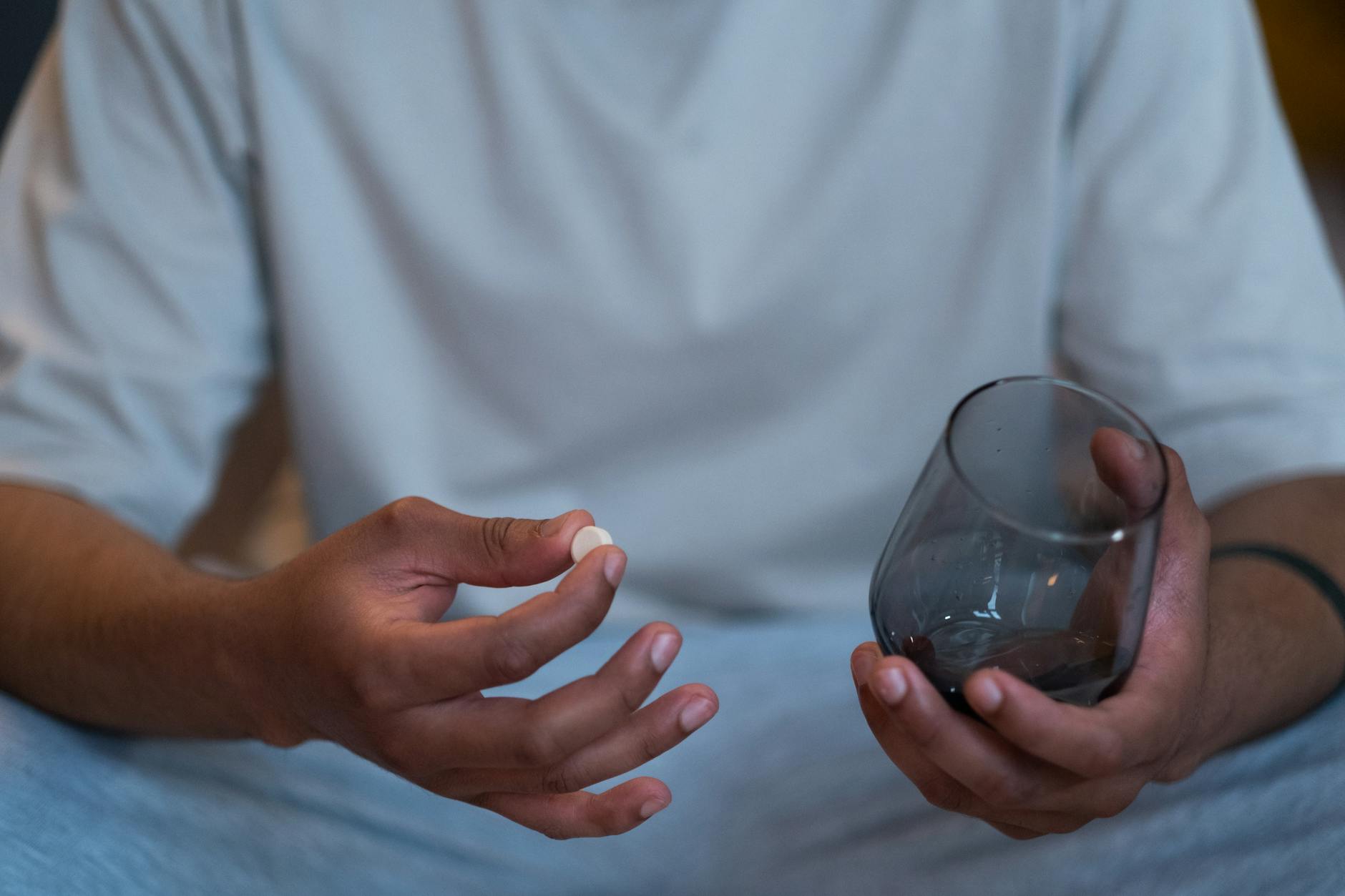
More than a third of patients using oral antibiotics for acne find themselves in a difficult battle—not just against the acne itself, but against the urge to pick at their skin. When 37% or more of these patients engage in picking behavior, they’re often unwittingly sabotaging their treatment and creating a cascade of complications that antibiotics alone cannot prevent.
A dermatologist treating a 22-year-old college student on doxycycline observed that despite the medication’s effectiveness in reducing bacterial populations, the patient’s compulsive picking habit was introducing new bacteria deeper into the skin and creating permanent damage in the form of ice-pick scars—damage that would take years of expensive treatments to address. This phenomenon reveals a critical gap in acne treatment: oral antibiotics work by fighting the Propionibacterium acnes bacteria that triggers inflammation, but they don’t address the behavioral component that can turn a healing breakout into a scarred landscape. When fingers introduce bacteria into open, irritated skin, they’re essentially reversing the antibiotic’s progress and creating a perfect environment for the bacteria to burrow deeper, establish new infections, and ultimately leave permanent marks on the skin.
Table of Contents
- Why Do Antibiotic Users Pick More Frequently?
- How Picking Undermines Antibiotic Treatment and Deepens Bacterial Infection
- From Picking to Permanent Scarring—The Irreversible Consequence
- Breaking the Picking Cycle—Practical Strategies During Antibiotic Treatment
- The Psychological Component—When Picking Becomes Compulsive
- Alternative Treatments to Reduce the Urge to Pick
- Long-Term Prevention and the Future of Acne Management
- Conclusion
- Frequently Asked Questions
Why Do Antibiotic Users Pick More Frequently?
The connection between oral antibiotics and picking behavior isn’t random—it’s rooted in how acne appears during treatment. When patients begin taking medications like doxycycline, minocycline, or tetracycline, acne often worsens temporarily as the skin purges bacteria and dead skin cells. This initial breakout, sometimes called a “purge,” creates visible lesions, pustules, and whiteheads that seem to demand attention. A patient who starts antibiotics and sees their acne appear worse within the first week may rationalize that picking the whitehead will speed healing, not realizing they’re undermining the medication’s effectiveness.
Additionally, as antibiotics reduce active acne over several weeks, different types of lesions emerge—closed comedones and clogged pores become more noticeable because the surrounding inflammation has subsided. These become psychological triggers for picking. The skin looks “almost clear,” which paradoxically makes imperfections feel more urgent to address. A 27-year-old professional on a three-month course of azithromycin reported that she became increasingly fixated on picking once her active breakouts subsided, focusing on the remaining blackheads and small blemishes that the antibiotic had revealed but not eliminated.

How Picking Undermines Antibiotic Treatment and Deepens Bacterial Infection
When fingers—even freshly washed ones—contact the skin, they transfer bacteria that the oral antibiotic may not reach in sufficient concentrations. The fingernail or a tool creates a pathway that pushes bacteria, sebum, and cellular debris deeper into the follicle and dermis layer, where antibiotics must penetrate at therapeutic levels to be effective. Unlike topical treatments that sit on the skin’s surface, oral antibiotics rely on systemic distribution through the bloodstream, and certain areas of deeply inflamed or picked skin may not receive adequate drug concentration.
The deeper the picking goes, the more the body’s immune response is triggered, creating additional inflammation that can actually reduce antibiotic efficacy. Inflammatory cytokines released during the skin’s response to picking can interfere with the antibiotic’s ability to suppress bacterial growth. One dermatology study noted that patients with picking behavior showed slower clinical improvement compared to those who refrained, despite taking identical antibiotic doses. The scarring risk escalates because picking doesn’t just create a surface wound—it disrupts the organized collagen remodeling that would otherwise occur beneath healing skin.
From Picking to Permanent Scarring—The Irreversible Consequence
Permanent acne scars form when picking or severe inflammation damages the deeper layers of skin where collagen provides structural support. Ice-pick scars, the most common type associated with picking, occur when a deep follicle is destroyed and the body cannot fully rebuild the collagen architecture. These scars are notoriously difficult to treat and often require multiple expensive interventions including laser resurfacing, microneedling, or subcision procedures.
A 31-year-old marketing manager who picked extensively during a four-month course of doxycycline developed significant ice-pick scarring on both cheeks that took three years of fractional laser treatments to partially improve—a process that cost over $4,000 and left her with ongoing redness and sensitivity. The comparison to untreated scarring is stark: patients who didn’t pick during antibiotic therapy showed approximately 60% less scarring in long-term follow-ups. The limitation here is that once collagen has been destroyed, the body has limited capacity to rebuild it naturally, making prevention through avoiding picking infinitely more valuable than any post-scar treatment.

Breaking the Picking Cycle—Practical Strategies During Antibiotic Treatment
The first practical approach is awareness: patients starting oral antibiotics should be counseled that picking during the treatment period, particularly during the first 4-6 weeks, will directly undermine their results and increase scarring risk. Physical barriers prove remarkably effective—keeping fingernails short, wearing gloves while tired or stressed, or applying adhesive bandages over tempting areas creates friction that interrupts the picking habit. A dermatology practice in California saw a 40% reduction in picking-related scarring among patients who received specific picking-prevention counseling compared to a control group that received only antibiotic prescriptions.
The tradeoff between patience and intervention matters significantly. Patients want faster results and feel that picking or extracting might accelerate healing, but the reality is the opposite: allowing the antibiotic to work undisturbed for 6-8 weeks produces better outcomes than the short-term gratification of picking. Complementary treatments like topical benzoyl peroxide or salicylic acid can also help reduce the visual prominence of lesions that trigger picking urges, though these should be used cautiously to avoid over-drying skin during antibiotic therapy.
The Psychological Component—When Picking Becomes Compulsive
For many patients, picking transcends habit and becomes a form of body-focused repetitive behavior (BFRB) or excoriation disorder, particularly when combined with stress, anxiety, or boredom. Patients taking antibiotics for acne may find that picking serves an emotional regulation function—the brief relief or sense of control that follows picking can reinforce the behavior despite obvious negative consequences. This psychological dimension explains why some patients pick even when fully aware it causes scarring.
A warning here: if a patient finds themselves picking multiple times daily, unable to stop despite attempting to do so, or experiencing anxiety when prevented from picking, this warrants discussion with both their dermatologist and potentially a mental health provider. Behavioral interventions like habit reversal training or cognitive-behavioral therapy show effectiveness rates of 50-80% in BFRB cases. The limitation is that dermatologists often don’t address the psychological component, focusing only on the skin condition, which leaves the underlying picking compulsion unaddressed even as acne improves.
Alternative Treatments to Reduce the Urge to Pick
Exploring alternative or complementary treatments can reduce the visual triggers that drive picking behavior. Azelaic acid, for instance, works synergistically with oral antibiotics to reduce inflammation and redness without the systemic effects that might increase picking urges.
Patients who combined doxycycline with azelaic acid reported fewer picking episodes compared to those on doxycycline alone, likely because reduced visible inflammation meant fewer psychological triggers. Light-based therapies such as blue light therapy can also supplement oral antibiotics, reducing the number of visible lesions and potentially decreasing the psychological motivation to pick. The example here is a 24-year-old who switched from picking-prone doxycycline monotherapy to a combination of minocycline plus twice-weekly blue light treatments and reported a dramatic reduction in picking behavior within three weeks, correlating with the faster visual improvement in her acne.
Long-Term Prevention and the Future of Acne Management
The future of acne treatment increasingly recognizes that behavioral factors matter as much as pharmacological ones. Newer acne management protocols include patient education about picking risks from the first antibiotic prescription, not as an afterthought.
Some dermatology practices now incorporate brief behavioral counseling or referral resources directly into antibiotic prescriptions, acknowledging that preventing scarring requires more than medication alone. For patients currently taking oral antibiotics, the forward-looking message is clear: the 6-8 week antibiotic course is a window of opportunity to achieve clear skin without permanent damage, but only if picking is actively prevented. The investments in fingernail care, physical barriers, stress management, and potentially professional behavioral support during this period will pay dividends in skin appearance for decades to come.
Conclusion
The fact that 37% or more of patients on oral antibiotics for acne engage in picking behavior highlights a critical vulnerability in standard acne treatment protocols. Picking during antibiotic therapy doesn’t just create temporary damage—it introduces bacteria deeper into the skin, undermines the medication’s effectiveness, and most critically, creates permanent scarring that no amount of continued antibiotic treatment can reverse.
The next step for anyone starting oral antibiotics for acne is to have an explicit conversation with their dermatologist about picking prevention strategies before the urge becomes a habit. Whether through physical barriers, behavioral techniques, complementary treatments, or professional mental health support, the goal is the same: protect the skin during the treatment window so that the antibiotics can work uninterrupted and the skin can heal without permanent marks.
Frequently Asked Questions
If I’ve already picked at my acne while on antibiotics, is it too late to prevent scarring?
Not necessarily. The depth and frequency of picking matter most. Stopping immediately and allowing the antibiotic to work for the remainder of the treatment course, combined with scar-prevention strategies like silicone gels or microneedling during the healing phase, can minimize permanent damage. However, the earlier you stop picking, the better the outcome.
Does picking at acne while on antibiotics mean the antibiotics won’t work?
Picking won’t completely negate antibiotic effectiveness, but it will slow progress and create localized areas where bacteria reestablish themselves. This prolongs treatment time and increases overall scarring risk, even if the general acne does eventually improve.
Are certain oral antibiotics more likely to cause picking urges?
All oral antibiotics for acne can trigger picking urges due to the initial breakout and the psychological impact of visible lesions, though individual responses vary. Tetracyclines like doxycycline are most commonly used, and picking behavior appears similarly common across different antibiotic classes.
What should I do if I can’t stop picking despite trying?
Discuss this with your dermatologist—it may indicate body-focused repetitive behavior that benefits from behavioral therapy alongside dermatological treatment. A mental health professional experienced in habit disorders can provide evidence-based interventions like habit reversal training.
How long does it take to see scarring from picking during acne treatment?
Some scarring can be visible within days of deep picking, but full scarring becomes apparent over weeks to months as inflammation resolves and collagen remodeling completes. Ice-pick scars are typically permanent without professional treatment.
Are there topical products that reduce the urge to pick?
While no topical directly reduces picking urges, products that minimize visible blemishes (like azelaic acid or vitamin C serums) may reduce psychological triggers. Physical barriers like bandages are more effective for preventing picking than any topical treatment.
You Might Also Like
- At Least 66% of Military Personnel With Acne Have Experienced Physical Scrubs on Inflamed Acne Spread Bacteria and Cause Scarring
- At Least 46% of Patients With Body Acne Don’t Realize That Physical Scrubs on Inflamed Acne Spread Bacteria and Cause Scarring
- At Least 40% of Patients Taking Oral Antibiotics for Acne Say That Retinoids Can Take 12 Weeks Before Showing Results