
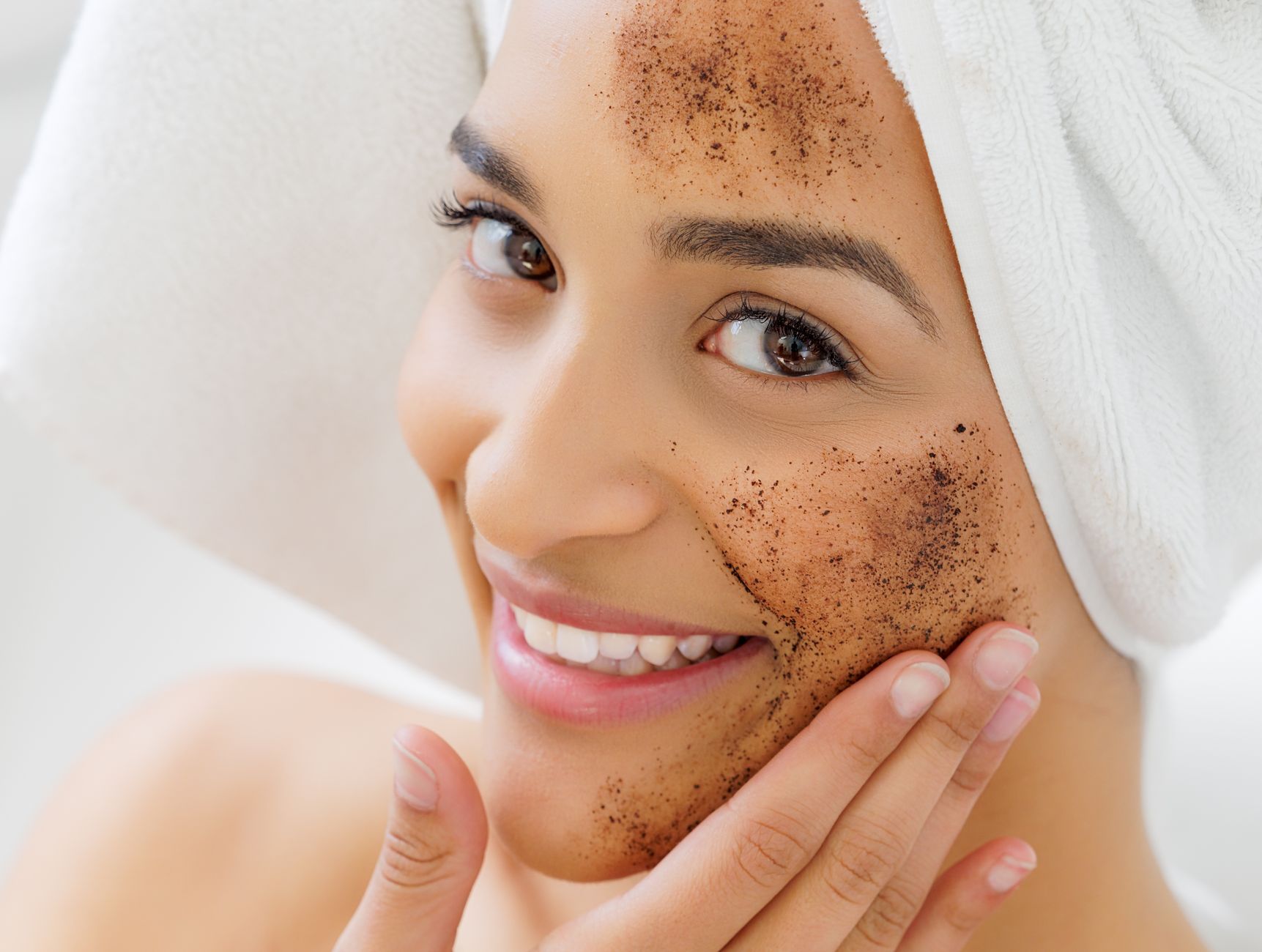
For acne-prone skin in winter, exfoliate less often, choose gentle formulas, and add moisture right away to limit irritation. Exfoliation means shedding dead surface cells with ingredients such as salicylic acid, alpha-hydroxy acids, or retinoids.
Cold air and indoor heat already dry skin, so heavy scrubbing quickly leads to redness and flaking. That does not mean you must stop treating acne. You can keep breakouts under control by lowering dose frequency, buffering strong products, and switching to cream moisturizers.
Medical information disclaimer: This article is for general educational purposes only and does not provide medical advice, diagnosis, or treatment. Always consult a physician or other qualified health professional about symptoms, medications, tests, or treatment decisions.
Table of Contents
- Why winter makes exfoliation harsher
- How often should you exfoliate now?
- How to keep acne treatments working without burning?
- What does a calm winter routine look like?
Why winter makes exfoliation harsher
Cold winter air and indoor heating lower humidity around skin. Cold also slows oil production. Cleveland Clinic explains this weakens the moisture barrier and causes dryness, itching, and cracking, as detailed in its winter dry-skin guide.
That weak barrier makes acne treatments feel stronger. APDerm notes retinoids, benzoyl peroxide, and salicylic acid can sting, flake, or irritate more in winter. Skin that tolerated nightly use in summer may need spacing in January.
How often should you exfoliate now?
Dermatologist Jennifer Lucas advises exfoliating only once or twice in winter. Exfoliation strips moisture and surface oils. That loss can leave dry skin drier and itchier.
For acne-prone skin, the American Academy of Dermatology advises gentle cleansing up to twice daily with fingertips. It warns against scrub tools and drying toners and exfoliants that worsen acne and irritation, as outlined in its acne skin-care guidance. The American Academy of Dermatology gives clear limits for severe cases. People with widespread inflamed acne or cracked or bleeding skin should pause exfoliation, protect the barrier, and see a dermatologist.
How to keep acne treatments working without burning?
Topical retinoids remain a cornerstone of acne therapy. They can still cause irritation, dryness, peeling, and exfoliation. American Family Physician, summarizing 2024 AAD guidelines, notes concurrent emollient, meaning moisturizer, use reduces irritation.
Dermatologists advise three practical cutbacks for retinoids in winter. APDerm describes buffering retinoid with moisturizer, using it every other night, or reducing frequency, as described in its winter acne guide. Pick one change at a time and keep the gentler schedule until flaking calms.
What does a calm winter routine look like?
Dermatologists advise applying moisturizer right after washing. They favor cream or ointment over lotion, warm water over hot water, and gentle fragrance-free products.
The American Academy of Dermatology lists these steps for winter relief. The FDA warns alpha-hydroxy-acid exfoliants raise sun sensitivity during use. It advises sunscreen, protective clothing, and limited sun exposure during use and for one week afterward, as stated in its alpha-hydroxy-acids page.
- Cleanse with fingertips up to twice daily, without scrubs or rough tools
- Apply cream moisturizer right after washing, while skin feels damp
- Use warm water, keep showers short, and pick fragrance-free products
- Cut acids and scrubs first when stinging, flaking, or tightness appears