
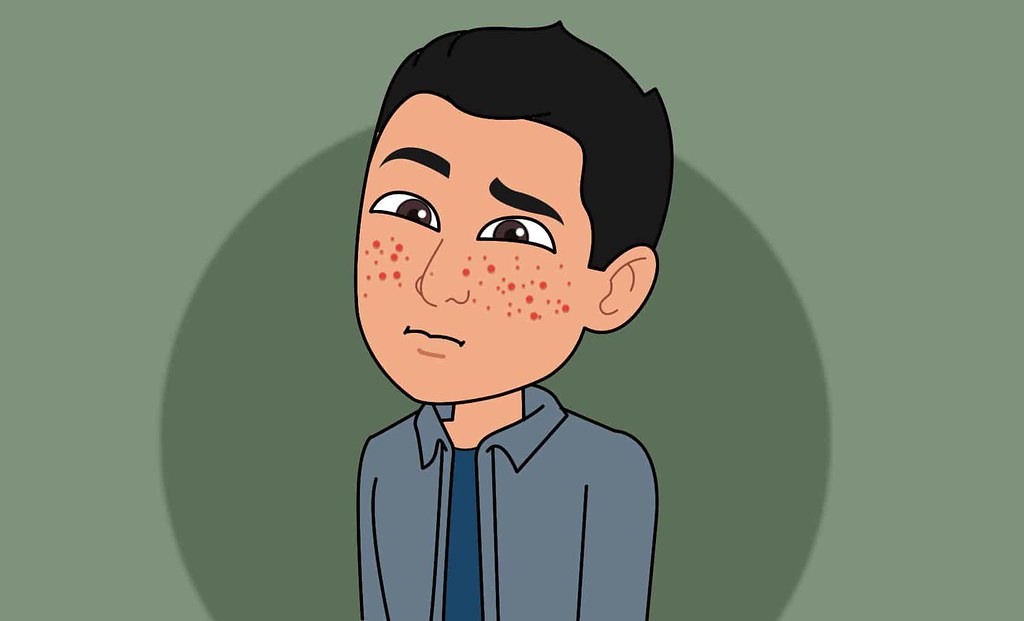
The 2026 teen acne study does not prove causation because it measured acne and body image together at one time. Body image means how a teen sees appearance, so teens still need care that treats acne while supporting mood and self-image.
The January 2026 adolescent analysis used chi-square and path analysis. It linked acne with worse body-image scores (b=0.64) and lower self-esteem (b=-1.16) and self-confidence (b=-0.70), as reported in Universitas Sriwijaya Jurnal Kedokteran dan Kesehatan full study file. These are associations, not proof that acne alone caused the differences.
Medical information disclaimer: This article is for general educational purposes only and does not provide medical advice, diagnosis, or treatment. Always consult a physician or other qualified health professional about symptoms, medications, tests, or treatment decisions.
Table of Contents
- What the January study found
- Why one snapshot cannot show cause
- How acne weighs on teens day to day
- What whole-person care looks like
What the January study found
The study compared teens with acne to peers without acne. It scored body image, self-esteem, and self-confidence. Path analysis then estimated direct links between acne and each score.
Acne was associated with worse body-image scores and lower self-esteem and confidence. The pattern is important for families. It still leaves open how the link developed.
Why one snapshot cannot show cause
Cross-sectional studies measure exposure and outcome at one time point. They can test links but cannot show order in time. Nature states they give no indication of sequence and cannot establish temporal precedence or causation in its study design guide.
Low confidence could follow breakouts. It could also come first and shape how acne feels. Other daily pressures can affect both skin habits and self-view.
How acne weighs on teens day to day
As reported via MDedge Dermatology in its poll report, a Harris Poll of 1,010 U.S. teens ages 15-19 found 86% reported having acne. Of those teens, 71% said acne harmed body image and attractiveness and 67% cited lower self-esteem.
Among social-media users, 51% said social media makes having acne harder. That pressure can show up before school photos, sports, parties, or posting online. A teen may pick at skin, skip activities, or use heavy cover. These habits can then feed more worry about looks.
What whole-person care looks like
Whole-person care pairs acne treatment with attention to mood, sleep routines, and self-image. It treats lesions and asks how appearance affects daily life. Families can raise both topics at the same visit.
Dermatology commentaries note current acne guidance only briefly addresses mental-health effects, as discussed by Contemporary Pediatrics in its clinical commentary. That commentary urges clinicians to consider depression, anxiety, self-image distress, and isotretinoin-related suicidality risk and refer for mental-health care when indicated. Bring a short note on mood, sleep, and social-media stress to the dermatology visit.
- Treat acne consistently and track breakouts, picking, and missed activities.
- Ask about mood, worry, teasing, and time spent comparing skin online.
- Seek prompt care for withdrawal, falling grades, harsh self-talk, or thoughts of self-harm.
You Might Also Like
- Anxiety, Body Image, and Acne in a 2026 Cross-Sectional Study: Whole-Person Acne Care Considerations for Teens With Acne
- The 2026 Systematic Review of Acne and Quality of Life: Whole-Person Acne Care Considerations for Teens With Acne
- Psychological Burden Across Acne Severity in 2026 Research: Whole-Person Acne Care Considerations for Teens With Acne