
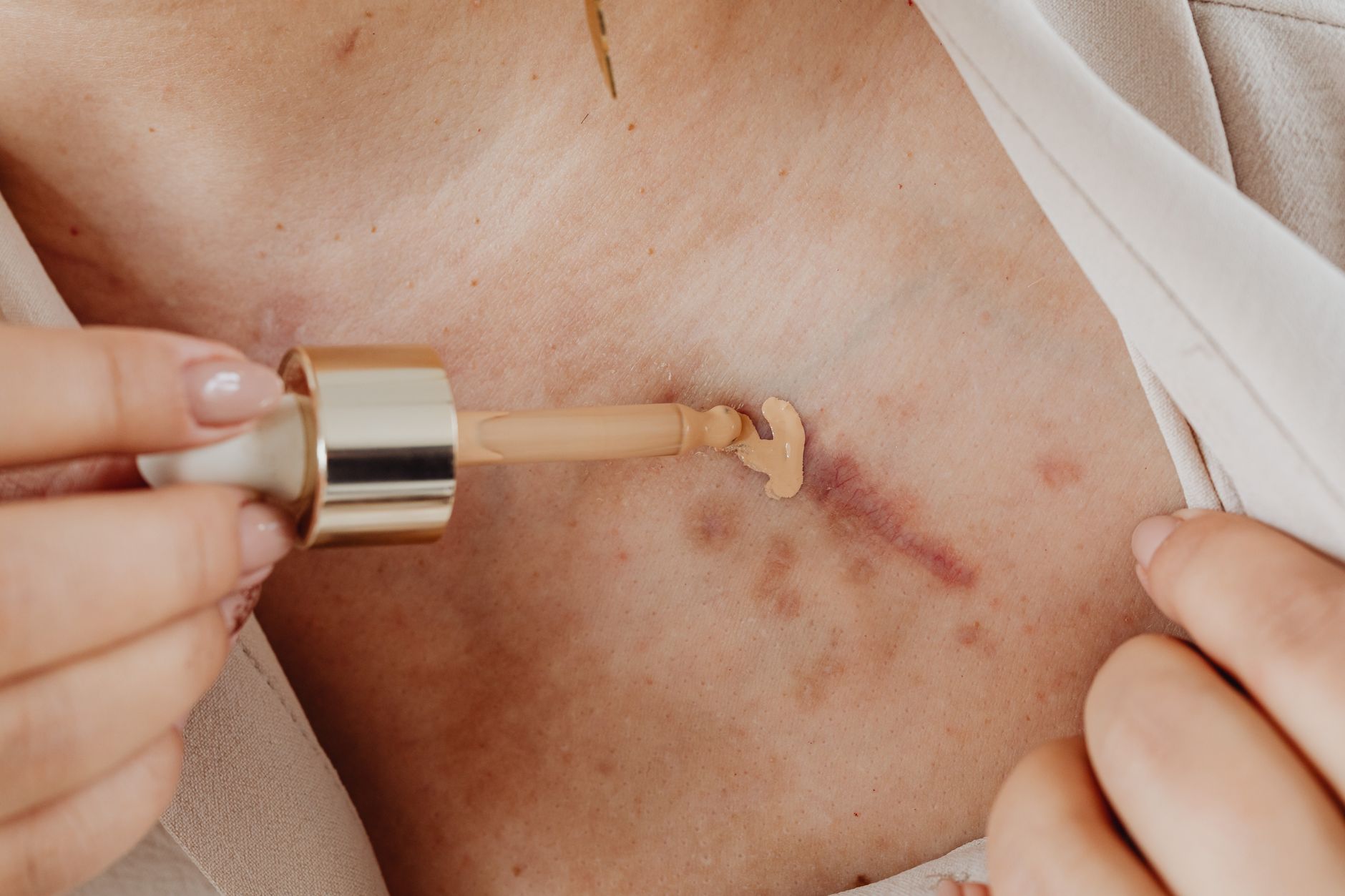
Radiofrequency microneedling gave faster recovery, fewer pigmentary events and higher safety satisfaction than fractional CO2 laser in the 2026 split-face acne scar trial. It enrolled 33 patients with 30 completers and was labeled exploratory, so it cannot support firm boxcar-only claims. Boxcar scars are wide, shallow pits with sharp edges. Split-face testing puts one treatment on one cheek and the other treatment on the opposite cheek for direct comparison.
Medical information disclaimer: This article is for general educational purposes only and does not provide medical advice, diagnosis, or treatment. Always consult a physician or other qualified health professional about symptoms, medications, tests, or treatment decisions.
Table of Contents
- What did the trial compare?
- Which side had easier recovery?
- Why should boxcar scars be read carefully?
- When does CO2 still deserve consideration?
What did the trial compare?
One cheek received radiofrequency microneedling and the other cheek received fractional CO2 laser. Patients received three sessions at eight-week intervals. According to the U.S.
National Library of Medicine PubMed record, 33 patients with facial atrophic acne scars enrolled and 30 completed treatment in this prospective randomized evaluator-blinded exploratory trial the PubMed trial record. Both treatments improved facial atrophic acne scars in that sample, so neither was ineffective. The evaluator-blinded design reduced rating bias because the grader did not know which cheek received which treatment.
Which side had easier recovery?
Radiofrequency microneedling showed faster recovery, fewer pigmentary events and higher safety satisfaction at every follow-up than fractional CO2 laser. It also earned higher efficacy satisfaction after the first session. According to the U.S.
National Library of Medicine PubMed record, these recovery and satisfaction differences favored microneedling with radiofrequency in the same patients the PubMed safety results. Faster recovery matters for work, school and social plans. Fewer pigmentary events matters for medium and darker skin tones and for anyone with prior dark marks after inflammation.
Why should boxcar scars be read carefully?
The trial was small and exploratory, with only 33 enrolled patients and 30 completers. According to the Journal of Dermatological Treatment account from Taylor & Francis, that size limits statistical power for boxcar-only subgroup claims and generalizability beyond the study population the Journal of Dermatological Treatment report.
Scar type changes the lesson. According to Dermatology Times, boxcar and rolling scars generally respond better to fractional resurfacing than ice-pick scars, which often need adjunctive methods.
- Ask your dermatologist to map your scars by type and depth
- Ask what share are boxcar, rolling, or ice-pick
- Ask whether ice-pick scars need separate treatment
When does CO2 still deserve consideration?
Pigment risk with CO2 is common but often short-lived. In an Asian randomized split-face fractional CO2 trial, mild postinflammatory hyperpigmentation affected most subjects yet resolved in about five weeks. Maximal change may still favor CO2 for some patients.
According to the March 2026 meta-analysis in the Journal of Cosmetic Dermatology from Wiley, fractional CO2 laser gave superior scar remodeling and satisfaction to microneedling radiofrequency across eight randomized trials with 249 patients the Wiley meta-analysis. That review supports CO2 when stronger improvement outweighs downtime and pigment risk. Bring your scar map, pigment history and downtime window to your visit and ask which trade-off fits your goal.
You Might Also Like
- Recovery and Pigment Safety in the 2026 Split-Face Acne Scar Trial: What the Trial Means for People With Boxcar Acne Scars
- Recovery and Pigment Safety in the 2026 Split-Face Acne Scar Trial: What Longer Follow-Up Must Show for People With Rolling Acne Scars
- Subcision With Suction for Acne Scars in a 2026 Split-Face Trial: Who Was Studied and Who Was Not for People With Atrophic Acne Scars