
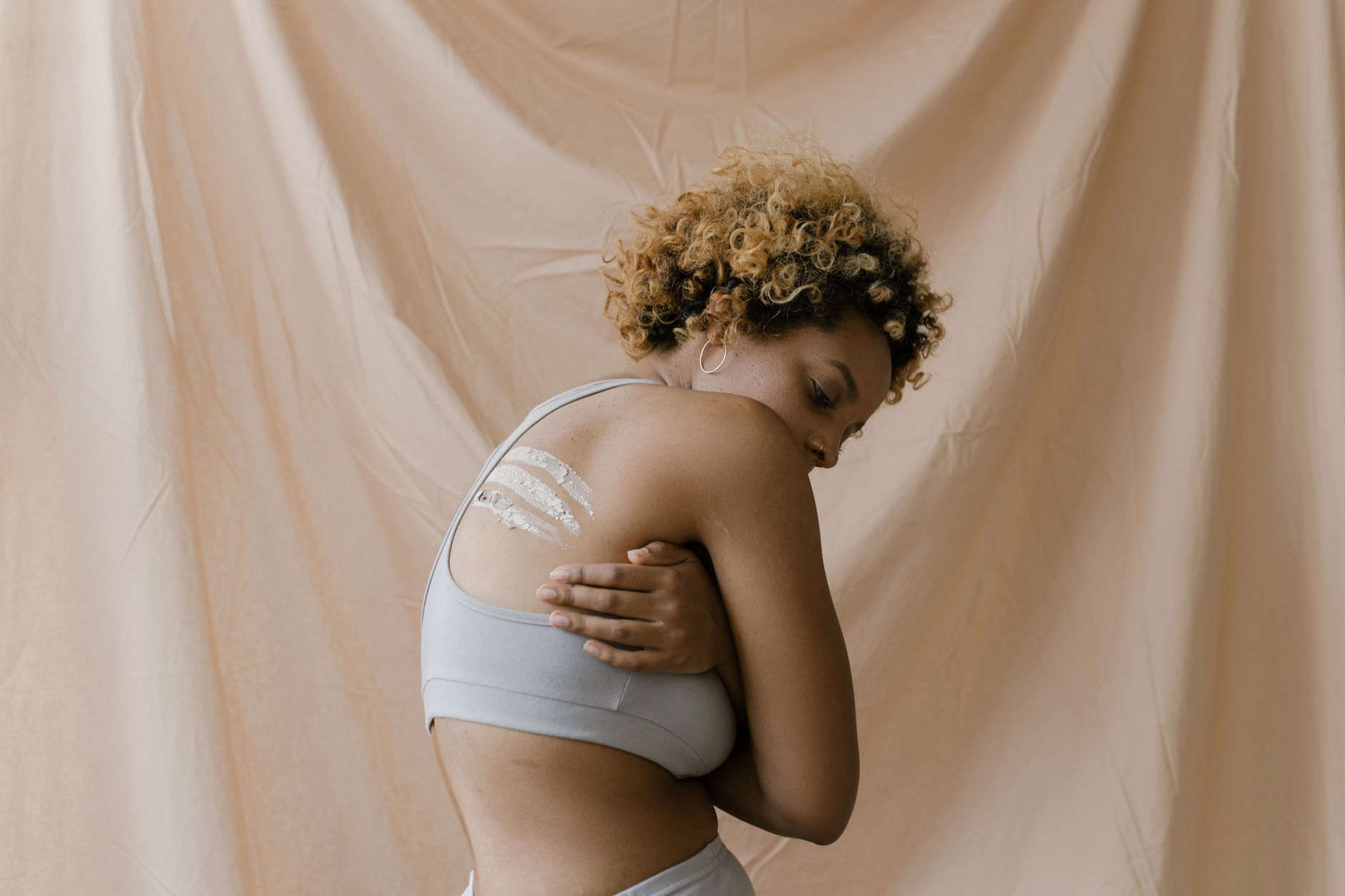
A 2026 cross-sectional study of young adults with acne found higher anxiety and poorer acne-related quality of life were tied to greater body-image disturbance. Anxiety helped connect poor quality of life to body-image distress, which makes whole-person care especially relevant for teens with acne. Body-image disturbance means distressing thoughts, shame, or preoccupation with how acne looks. It can affect school, friendships, photos, and willingness to stick with treatment.
Medical information disclaimer: This article is for general educational purposes only and does not provide medical advice, diagnosis, or treatment. Always consult a physician or other qualified health professional about symptoms, medications, tests, or treatment decisions.
Table of Contents
- What did the 2026 study find?
- Why does this matter for teens?
- What does whole-person acne care include?
- What can teens and parents do at the next visit?
What did the 2026 study find?
The researchers assessed young adults with acne using standardized questionnaires for body-image disturbance, anxiety, depression, and acne-related quality of life, then used regression-based analyses, as described by Taylor & Francis in the study abstract. This approach tests which factors travel together after accounting for other factors. Higher anxiety and poorer acne-related quality of life were associated with greater body-image disturbance.
Anxiety also showed a statistically significant indirect association linking poorer quality of life to greater disturbance, supporting a mediating role. Because data came from one time point, the design can show associations and statistical mediation but cannot prove direction. Poor quality of life may worsen anxiety and body image, anxiety may worsen perceived quality of life, or both may reinforce each other.
Why does this matter for teens?
Acne is the most common U.S. skin condition, affecting nearly 50 million Americans yearly and about 85% of adolescents, according to the American Academy of Dermatology in the updated acne guidelines announcement. Puberty is therefore a high-exposure period for appearance concerns. Teen surveys show a heavy emotional load.
In a Harris Poll of 1,010 U.S. teens ages 15 to 19, 86% had acne, 71% said it harmed body image or attractiveness, and 67% said it harmed self-esteem. Pediatric dermatology experts also report depression in 20 to 25% of adolescent acne patients, anxiety in about one-third, and suicidality around 12%. Those numbers do not mean every teen with acne needs mental health treatment. They mean parents should treat withdrawal, avoidance of photos or activities, falling grades, or harsh self-criticism as signals worth asking about.
What does whole-person acne care include?
Reviews advise dermatologists to add brief psychosocial screening, supportive counseling, strong acne management, and mental-health referral when anxiety, depression, body-image concerns, or poor adherence appear, according to Psychiatry Advisor in the review summary. The goal is earlier support, not waiting until distress becomes severe. In practice, that can mean asking about sleep, stress, bullying, mirror checking, and skipped doses.
It also means treating acne firmly enough to reduce painful lesions, visible inflammation, scarring risk, and daily reminders on the face. Referral is part of good skin care when mood or anxiety symptoms persist, worsen, or interfere with school, friendships, or treatment. A primary-care clinician, counselor, or school support contact can help decide next steps.
What can teens and parents do at the next visit?
Bring a short record: where breakouts occur, what products or prescriptions were used, missed doses, menstrual pattern if relevant, and which situations feel hardest. Ask what improvement should look like, how long it may take, and what should trigger a sooner call.
Use daily habits that lower friction and self-blame: If anxiety is driving avoidance, ask the dermatology team whether counseling support should start alongside acne treatment. Treat that referral as routine follow-through, not failure.
- Use the prescribed plan as directed and report irritation early
- Keep face-touching, picking, and harsh scrubbing down
- Limit mirror checks and filtered-photo comparisons
- Plan one school, sport, or social activity acne will not cancel
- Name one trusted adult to contact if mood drops
You Might Also Like
- The 2026 Systematic Review of Acne and Quality of Life: Whole-Person Acne Care Considerations for Teens With Acne
- Psychological Burden Across Acne Severity in 2026 Research: Whole-Person Acne Care Considerations for Teens With Acne
- Mental Health Screening Questions Raised by 2026 Acne Research: Stigma and Communication Questions for Teens With Acne