
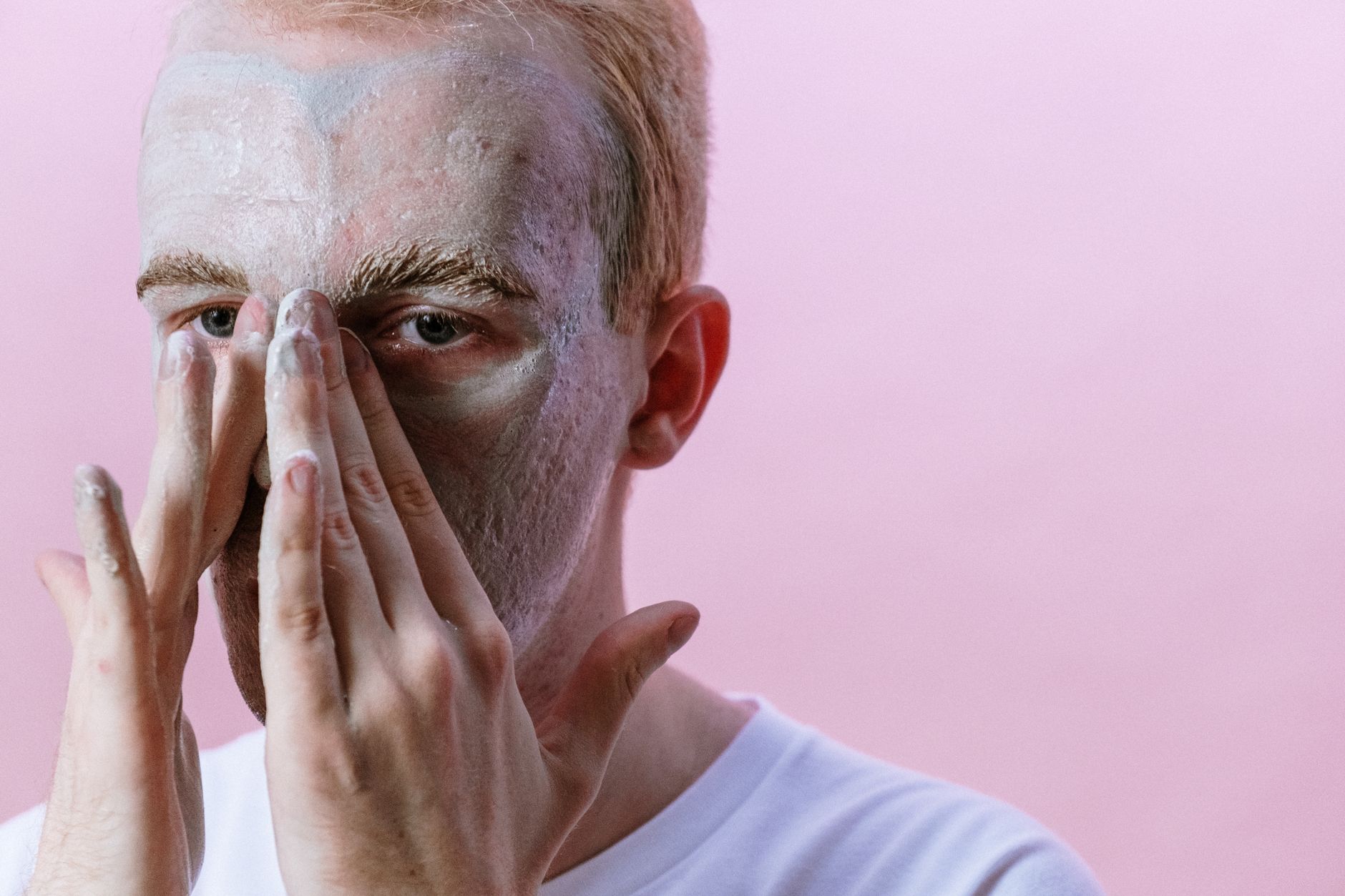
Sudden winter forehead acne happens because cold air and indoor heating dry the skin and weaken its barrier, which prompts extra oil and dead-cell buildup that clogs the forehead's dense oil glands. A switch to heavier moisturizers, hair-product transfer, tight hats and holiday stress can then trigger bumps almost overnight. This winter flare pattern is real. A 3-year study of 9,301 patients found acne cleared best in fall and worst in winter, according to the 2015 analysis in the Journal of the American Academy of Dermatology.
Medical information disclaimer: This article is for general educational purposes only and does not provide medical advice, diagnosis, or treatment. Always consult a physician or other qualified health professional about symptoms, medications, tests, or treatment decisions.
Table of Contents
- Why does dry air clog the forehead first?
- Could moisturizer or hair products cause the sudden bumps?
- Do hats, sweat and stress flare the forehead?
- What calms a winter forehead flare?
Why does dry air clog the forehead first?
Cold outdoor air holds little moisture and indoor heating lowers humidity further, so skin loses water from both sides in winter, according to Cleveland Clinic's winter skin guide. The forehead becomes dry, flaky and barrier-impaired. Cracks let more water escape and irritants enter. Dryness and barrier cracking then prompt compensatory oil production plus dead-cell buildup, reports Medical News Today citing the American Academy of Dermatology.
That oil-plus-scale mix plugs pores. The forehead shows it early because its oil glands are dense. One limit matters. A 1-year study of adolescent males found sebum was actually lowest in winter and highest in fall, reported in the Journal of Dermatological Science. So winter oiliness is often a local response or habit-driven, not a universal seasonal surge.
Could moisturizer or hair products cause the sudden bumps?
Yes. Rich winter moisturizers, sunscreens, balms and oils can be comedogenic, meaning pore-clogging, and seal over the forehead's dense glands, explains dermatology practice APDerm. Breakouts often appear days after a product switch. The hairline and temples clog first. Hair is another direct source.
Oil, conditioners, gels, waxes and pomades migrate onto the forehead and clog pores along the hairline, according to the American Academy of Dermatology's acne treatment page. Dermatologists call this pomade or acne cosmetica. Bangs keep that residue pressed against skin. Check what touches the forehead all day. New night cream, face oil, dry shampoo, leave-in conditioner and styling wax are common culprits. If bumps match the hairline, change hair habits before changing acne treatment.
Do hats, sweat and stress flare the forehead?
Winter headwear traps heat, sweat and friction against the forehead. Hats, headbands, helmets, bangs and scarves can produce acne mechanica, meaning breakouts along the band line, explains APDerm. Unwashed linings add oil and microbes to the same strip. Holiday routines add internal pressure. Short sleep, stress and indoor lifestyle raise glucocorticoids and androgens plus skin corticotropin-releasing hormone, reports an NIH/PMC exposome review in the Journal of the European Academy of Dermatology and Venereology.
Those signals increase sebum output and inflammatory signaling in acne-prone skin. The result is redder, more tender forehead bumps. Location gives a clue. A straight line of pimples under a beanie edge points to friction. Scattered hairline whiteheads point more toward products. Many winter flares involve both.
What calms a winter forehead flare?
Protect the barrier without sealing pores shut. Dermatologists advise fragrance-free non-comedogenic moisturizer on damp skin, warm short showers and humidifier use, according to Cleveland Clinic. Gentle hydration reduces flaking that mixes with oil to form plugs.
Cut the transfer around the forehead: Keep the routine simple until bumps settle. Do not scrub flakes or pile on balms to fix dryness. If forehead bumps persist, spread or scar, see a dermatologist for targeted care.
- shampoo often and keep conditioner, oils and styling products off the forehead
- pull hair back from the face when possible
- wash hats, headbands and pillow-adjacent scarves often
- use warm, not hot, water and keep showers short