
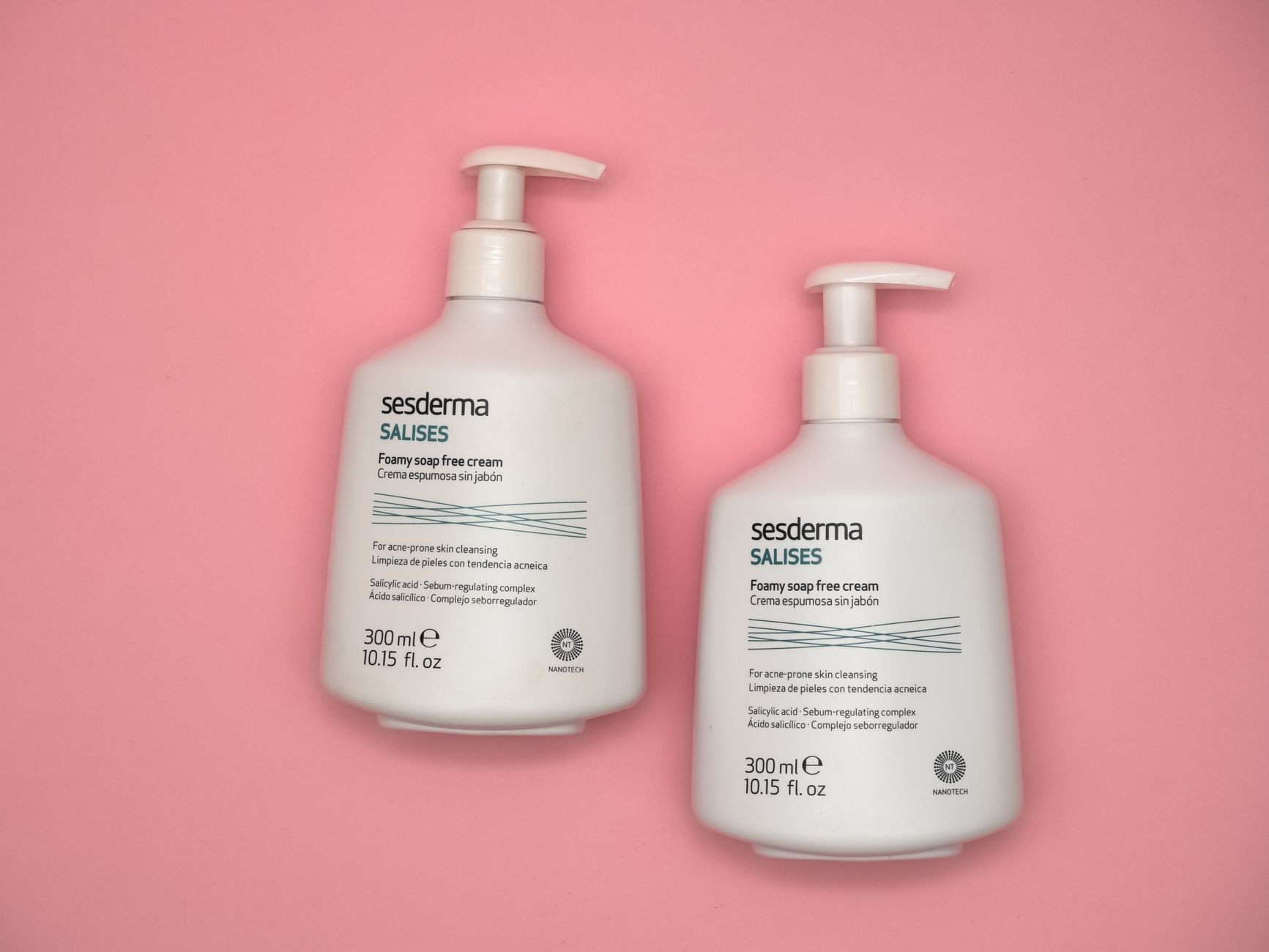
Your treatment plan needs review when steady treatment misses its expected timeline, lesions turn deep and painful or leave scars, or acne harms mental health. For drugstore care, that point is no visible improvement after 6-8 weeks of consistent use. A treatment plan means the full routine: cleanser, active product, moisturizer, plus any prescription, used as directed without picking or pore-clogging products. Response varies, so a missed window signals review, not automatic failure.
Medical information disclaimer: This article is for general educational purposes only and does not provide medical advice, diagnosis, or treatment. Always consult a physician or other qualified health professional about symptoms, medications, tests, or treatment decisions.
Table of Contents
- How long should you give treatment?
- Which skin signs mean escalate care?
- Could hormones be driving persistent breakouts?
- When should mood and daily life trigger referral?
- How do you make the next visit count?
How long should you give treatment?
Over-the-counter benzoyl peroxide or salicylic acid needs daily, consistent use for 6-8 weeks. According to the American Academy of Dermatology, lack of visible improvement after that period signals the plan needs dermatologist review for prescription therapy patient education page. Prescription courses need more time but still have limits.
The UK National Institute for Health and Care Excellence sets referral criteria for mild-to-moderate acne unresponsive to two completed 12-week courses, or moderate-to-severe acne unresponsive to a course containing an oral antibiotic NICE recommendations. The AAD acne work group advises limiting systemic antibiotics to the shortest effective course, typically no longer than 3-4 months. They should never be used alone, always with benzoyl peroxide and/or a topical retinoid, with reassessment to stop if improvement is small or absent to reduce resistance.
Which skin signs mean escalate care?
Deep, painful nodules and cysts, widespread inflamed lesions, acne conglobata or fulminans, new pitting scars, or lasting dark marks mean escalation is needed. These forms carry higher risk of permanent scarring and often need stronger prescription options. One option for severe disease is oral isotretinoin.
According to the American Academy of Dermatology updated management guidelines, it is prescribed only under specialist monitoring because of birth-defect and laboratory-monitoring requirements Newswise report on the guidelines. Do not wait for scars to fade on their own before asking for review. Take dated photos in the same light, note pain level, and bring all products to the visit.
Could hormones be driving persistent breakouts?
Adult women account for a large share of persistent acne. Breakouts that cluster on the lower face or jawline plus other body changes deserve a medical check. The UK National Health Service lists warning patterns that should prompt a GP visit for hormonal evaluation such as polycystic ovary syndrome.
Watch for: This pattern may need hormonal rather than antibiotic-only treatment. Bring a brief history: age when acne started, menstrual pattern, hair or weight changes, and family history. That record helps the GP decide on tests or referral.
- irregular or absent periods
- excess facial or chest hair, thinning scalp hair, or weight gain
When should mood and daily life trigger referral?
Acne of any severity that causes persistent distress or feeds a mental-health problem should prompt referral to dermatology and consideration of mental-health services. The UK National Institute for Health and Care Excellence gives this advice in Guideline NG198. Risk is higher with prior depression, anxiety, body dysmorphic disorder, suicidal thoughts, or self-harm.
Tell the clinician directly if you avoid photos, school, work, or social events, pick skin until it bleeds, or feel hopeless about appearance. Support is part of treatment, not an extra. A dermatology team can adjust acne therapy while a primary-care clinician or counselor addresses mood, sleep, and coping.
How do you make the next visit count?
Lack of clearing does not automatically prove drug failure. The NICE rationale notes that adherence, missed doses, skin picking, and comedogenic products change response, so keep a simple treatment diary for two to four weeks.
Record each product, dose time, missed doses, picking episodes, new cosmetics, period dates, and irritation. Continue maintenance therapy after antibiotics as directed, and seek prompt review for worsening pain, swelling, suspected infection, severe irritation, or systemic drug side effects.