
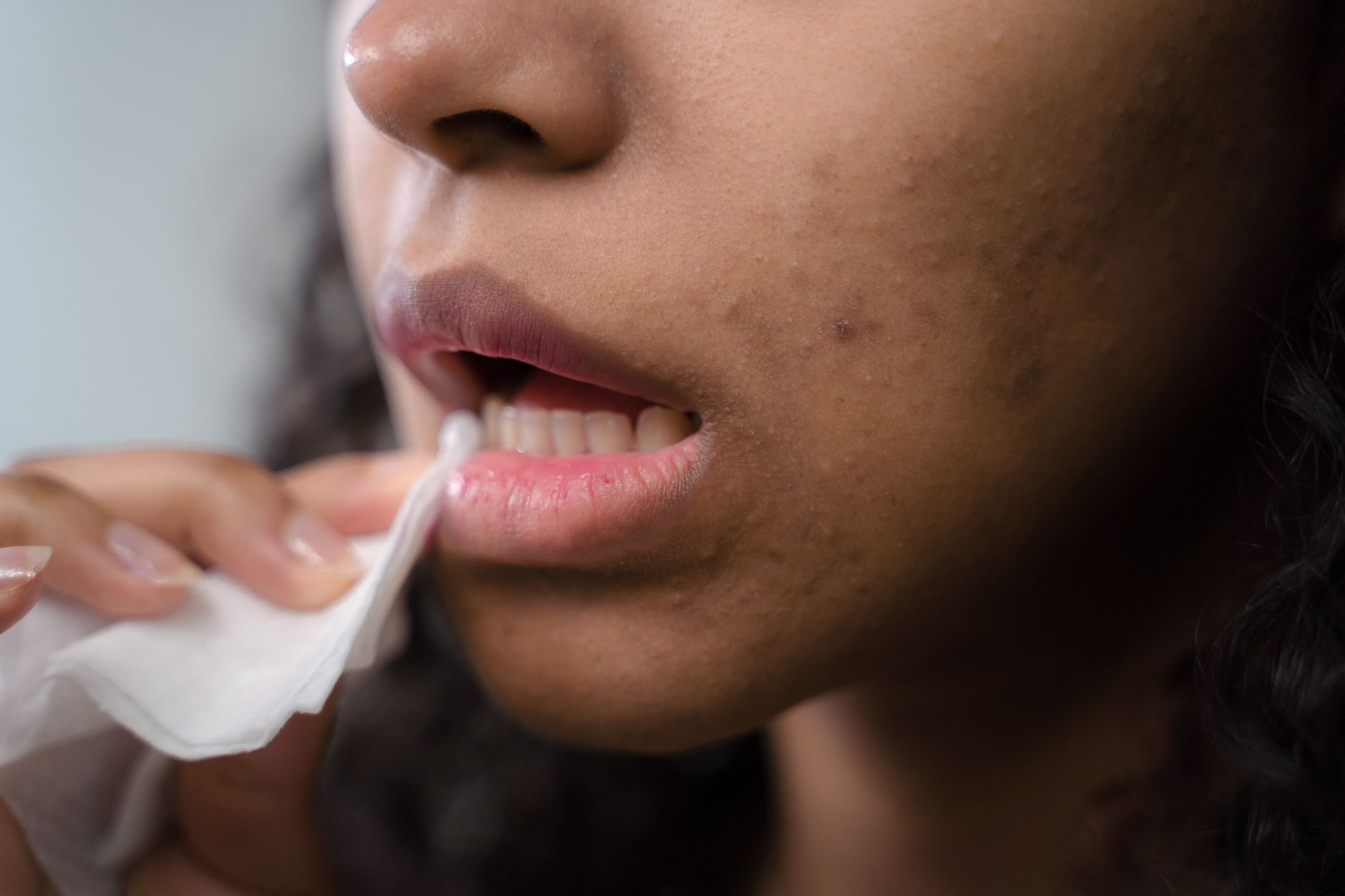
The 2026 acne diet review warns against restrictive regimens because strict food bans can raise eating-disorder risk without strong proof they clear acne. It favors steady, balanced eating habits over elimination diets for adults with lasting breakouts. Persistent acne means breakouts that continue past the teen years. Restrictive regimens means diets that cut out whole food groups or many foods to try to treat skin.
Medical information disclaimer: This article is for general educational purposes only and does not provide medical advice, diagnosis, or treatment. Always consult a physician or other qualified health professional about symptoms, medications, tests, or treatment decisions.
Table of Contents
- What the 2026 review concluded
- Which eating patterns track with more or less acne?
- Why guidelines still avoid strict diet rules
- What adults with persistent acne can do
What the 2026 review concluded
The International Journal of Molecular Sciences review states that restrictive eating should not be promoted for acne, according to the 2026 International Journal of Molecular Sciences review. The authors say overly strict patterns can increase eating-disorder risk.
They urge sustainable balanced habits instead. That caution fits the wider dermatology literature. Recent reviews tell dermatologists to aim for balanced nutrition and healthy weight while avoiding restrictive or potentially harmful elimination diets, as summarized in the Journal of the European Academy of Dermatology and Venereology review.
Which eating patterns track with more or less acne?
Adults who ate Mediterranean-style did better in a large UK study. That pattern is rich in vegetables, fruits, whole grains and healthy fats. People who followed it were less likely to report acne, particularly women, according to King's College London reporting via the September 2026 MedicalXpress summary.
A French study of 24,452 adults found a similar split. A fatty-sugary pattern linked with current acne, while a healthy pattern linked with less acne in women after adjustment. Reviews also tie high glycemic-load diets, skim and low-fat milk, and whey-protein supplements to greater acne prevalence or severity through insulin and IGF-1 pathways.
Why guidelines still avoid strict diet rules
The signal looks consistent, but the study type limits firm advice. Much of the evidence is observational, with only a small number of controlled diet trials. That gap means doctors cannot yet prescribe one acne diet.
UK guidance reflects that limit. The National Institute for Health and Care Excellence says evidence does not support specific diets for treating acne and points to balanced Eatwell Guide advice instead, in the NICE NG198 recommendations. The 2024 American Academy of Dermatology acne guidelines also made no specific dietary recommendation after mixed low-glycemic-diet trial results.
What adults with persistent acne can do
Treat food as support for overall health, not as a cure. Keep meals regular, varied and filling. Track how your skin responds without banning broad food groups on your own.
- Build plates around vegetables, fruit, whole grains, beans, nuts, fish and healthy oils
- Limit frequent sugary drinks, sweets, white-bread binges and fatty-sugary snacks
- Check skim milk, low-fat milk and whey-protein shakes if breakouts flare, then discuss swaps with a clinician
- Seek proven acne care for lasting lesions, scarring, pain or dark marks
- Get prompt help if food rules trigger anxiety, bingeing, skipped meals or rapid weight loss
You Might Also Like
- Mediterranean and Vegan Diet Claims in the 2026 Acne Review: What the Evidence Means for Adults With Persistent Acne
- The 2026 Review of Topical Antibiotic Monotherapy for Acne: What the Findings Mean for Adults With Persistent Acne
- Probiotics for Acne in a 2026 Systematic Review and Meta-Analysis: Evidence Limits and Open Questions for People With Acne-Prone Skin