
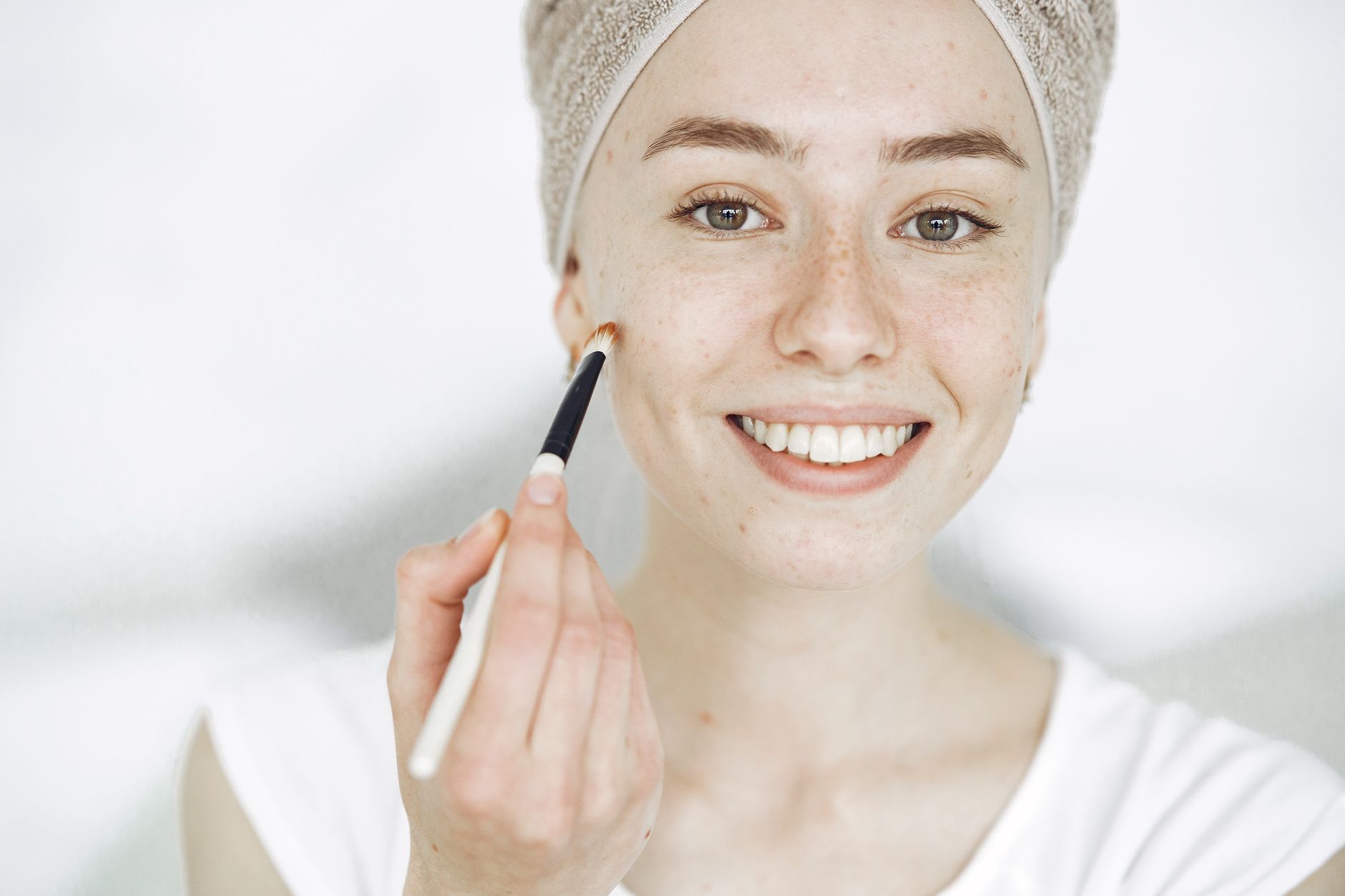
The biggest change in October 2026 is over-the-counter Differin Epiduo Gel (adapalene 0.1% plus benzoyl peroxide 2.5%) for acne in ages 12 and older. New dermatology reports also add evidence for hyperpigmentation, the dark spots and uneven tone often left after acne heals.
The switch makes a fixed-dose retinoid-antibacterial combination available without a prescription for mild-to-moderate acne. For dark spots, studies cover 0.2% thiamidol cream, a niacinamide sunscreen fluid, and polynucleotide treatment for under-eye circles. Together they shift daily care toward store-bought acne control plus targeted tone care, with prescription help reserved for severe disease.
Medical information disclaimer: This article is for general educational purposes only and does not provide medical advice, diagnosis, or treatment. Always consult a physician or other qualified health professional about symptoms, medications, tests, or treatment decisions.
Official resources:
- Read the official notice from Galderma — Use this primary source to verify the official announcement.
- Read the original report from Dermatologytimes — Use this primary source to review the complete report.
Table of Contents
- What changed for acne at the drugstore?
- Is OTC Epiduo right for your acne?
- What is new for dark spots and uneven tone?
- How should you combine acne and dark-spot care?
What changed for acne at the drugstore?
Galderma received FDA approval for a prescription-to-OTC switch for Differin Epiduo Gel for acne in patients 12 and older, according to Galderma's FDA approval announcement. The product combines adapalene 0.1%, a topical retinoid that helps unclog pores, with benzoyl peroxide 2.5%, an antibacterial that reduces acne-causing bacteria. Galderma said the fixed-dose combination targets multiple acne causes more effectively than either ingredient alone.
The company said it would reach major U.S. retailers in summer 2026. For readers in October 2026, that means checking local drugstores and mass retailers rather than assuming a prescription is still needed.
Is OTC Epiduo right for your acne?
Dermatology reporting describes OTC Epiduo as intended for mild-to-moderate acne in adolescents and adults, according to the Dermatology Times report. Mild-to-moderate usually means scattered blackheads, whiteheads, and small red pimples without deep lumps or widespread scarring.
Severe, scarring, painful nodular, or treatment-resistant acne still needs clinician evaluation and prescription therapy. That distinction matters because delay can allow lasting scars and persistent dark marks. Current American Academy of Dermatology guidance strongly recommends benzoyl peroxide, topical retinoids, fixed-dose combinations, and oral isotretinoin for severe disease, with azelaic acid as a useful adjunct for postinflammatory dark marks in darker skin types.
What is new for dark spots and uneven tone?
A randomized, double-blind, vehicle-controlled trial found 0.2% thiamidol cream effective and well tolerated for facial hyperpigmentation in both sexes, according to the Dermatology and Therapy study. Thiamidol is a topical ingredient designed to reduce visible melanin-related discoloration. The result extends earlier women-focused evidence to men. Kenvue reported at EADV 2026 in Vienna that Neutrogena Ultra Sheer Fluid SPF 50 with 2% niacinamide plus vitamins C and E improved hydration 22%, preserved barrier, improved tone uniformity, and reduced visible spot size.
Daily ultraviolet protection is central because sun exposure darkens post-acne marks. A fluid sunscreen with tone-supporting ingredients may suit readers who want protection plus lighter, more even appearance. A separate real-world study by Amado and colleagues reported polynucleotide PN-HPT eye treatment significantly improved periorbital hyperpigmentation, the brownish or shadowed tone around the eyes, in a diverse cohort. The summary described it as the first study of this technology for that use. It was an office-based treatment studied in practice settings, not a drugstore cream, so access depends on a clinic offering it.
How should you combine acne and dark-spot care?
Treat active breakouts and sun protection as the foundation. Fewer new inflamed pimples means fewer new dark spots.
Steady sunscreen use helps current spots look lighter over time and keeps acne treatments from causing extra sun sensitivity. For an October routine, keep steps few and consistent: Stop irritating products and seek care promptly if acne leaves scars, forms deep painful lumps, fails to improve after steady use, or is followed by spreading or very dark patches.
- Use one acne active at a time unless a clinician advises otherwise
- Apply a thin acne product to the affected area, not only single dots
- Use moisturizer if dryness or stinging appears
- Apply broad-spectrum SPF 50 in the morning and reapply during extended sun time
- Avoid picking, harsh scrubs, and adding multiple new brightening products at once
You Might Also Like
- What Is New With Pimples and Acne in October 2026? Latest FDA and dermatology sources and Key Takeaways
- Pretreatment Pregnancy Testing Under iPLEDGE in 2026: What the FDA Update Means for Parents of Teens With Severe Acne
- Planned Home Pregnancy Testing Under the 2026 iPLEDGE Changes: What the FDA Update Means for Parents of Teens With Severe Acne